‘Law & Order: Special Victims Unit’ Season 28 Episode 1 Recap & Ending Explained: Benson Fights Different After a Hung Jury

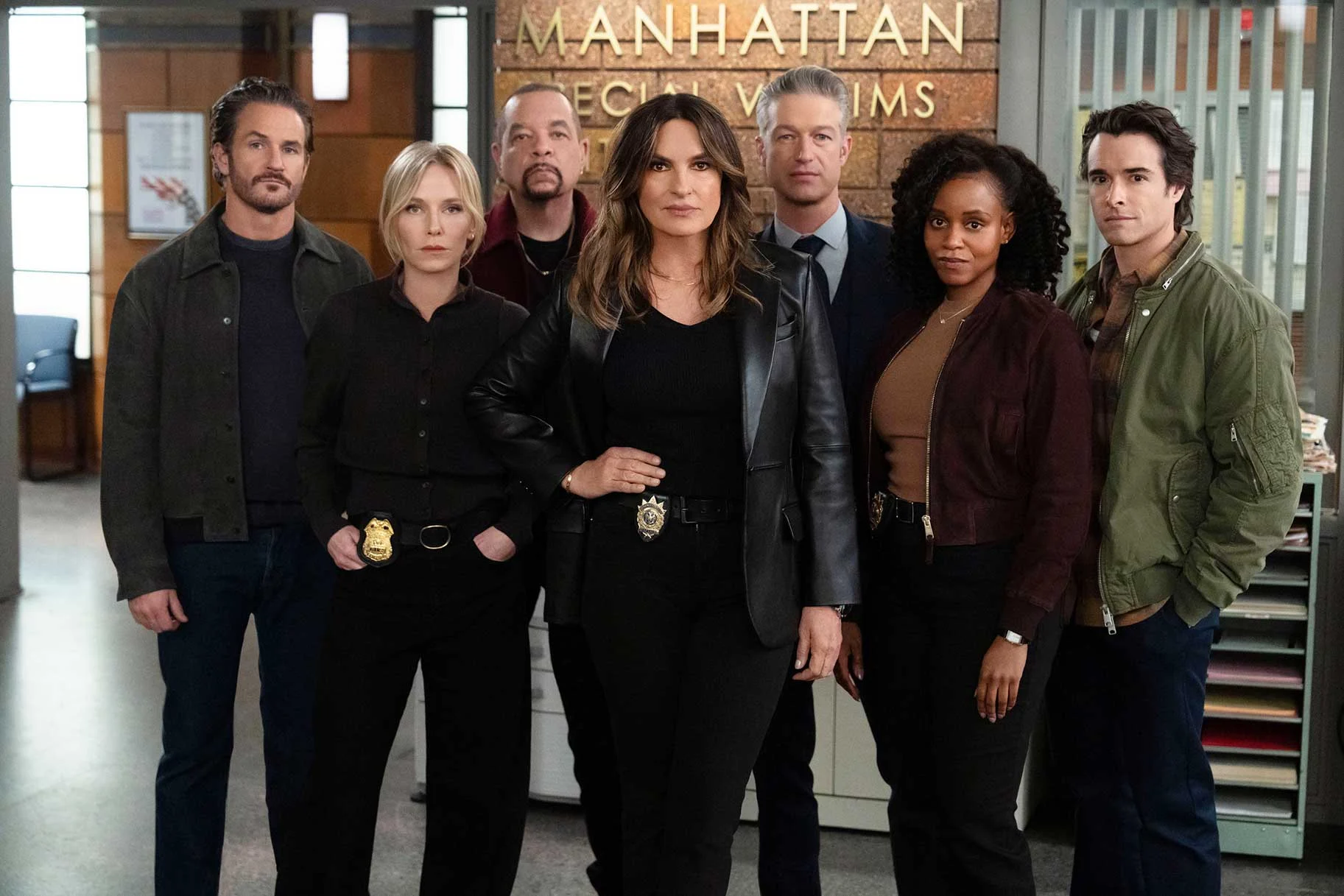

The long-running NBC drama returned on Thursday, October 8, with a premiere titled “Volition” that put Captain Olivia Benson in a courtroom battle she could not easily win. The story centers on a sexual assault case involving questions of intoxication and consent, and it asks how far the justice system has really come.
This recap of the ‘SVU’ season premiere walks through the case, the arrival of a new recurring character and the ending that leaves Benson at odds with her closest ally in the courtroom. The episode also draws comparisons to the ongoing Cornell 7 case, which has sparked widespread public discussion about consent laws and accountability.
A Recap of the ‘SVU’ Season Premiere and the Case at Its Center
A young woman named Emily, played by Lizzy Declement, reported a rape, and Benson went to the hospital to take her statement. Emily was unclear on what had happened, and the squad learned she had been with three men while her blood alcohol level was .17.
The legal obstacle came into focus quickly. Benson explained that the law requires a victim to be physically helpless or given an intoxicating substance without consent, and Detective Griffin bluntly dismissed the statute while Benson agreed with him. She added that the legislature tried to change the law over the summer but ran out of time before a vote.
The squad did find strong evidence. Stephanie, the mother of suspect Josh, had a webcam recording of the three men discussing the assault. Home camera footage showed two of the men pressuring Josh not to miss an opportunity because Emily was so intoxicated.
The story arrives at a moment when the real world is debating the same issue. Showrunner Michele Fazekas told Variety that she had assumed being drunk meant a person could not consent, and that learning otherwise showed her a major flaw in the system. She also noted the episode was scripted and filmed earlier in the summer, before the real case dominated headlines.
How Gwen Sharpe Changes Benson’s Approach
J. Smith-Cameron joins the series in a recurring role as jury consultant Gwen Sharpe, beginning with the premiere. Fazekas has described the character as a peer for the SVU captain, which gives Benson someone outside the squad to talk to.
Gwen’s first appearance is a warning. She advised Benson that taking the case to court was a stretch and flagged biased jurors she believed should be removed. She later told Benson she would not have gone to trial on this case.
The key scene comes after the trial ends in a mistrial. Over drinks, Benson admitted that after almost thirty years on the job, nothing had really changed, and that the work used to be enough. Gwen confessed she had a personal history with Benson’s cause and encouraged her to fight different.
That arc was planned well before the premiere. Fazekas told Give Me My Remote earlier this summer that the writers wanted to “see how far we can push Benson’s boundaries”. She has also said Benson will feel disillusioned this season as the show examines how much has and has not changed in the squad’s investigations.
Volition Ending Explained
The jury deadlocked, which sent the case toward a retrial. Benson took Gwen’s advice to heart and turned to Hawkins for a warrant, and she asked him to charge Josh’s mother with tampering and obstruction of justice.
Hawkins saw exactly what she was doing. He noted the charges would not stick and that Benson had come to him because Carisi would never agree to it. He signed off on the warrant, and the charges expanded to include conspiracy to commit rape.
The pressure worked. Josh agreed to testify against the other men if his mother was released immediately. The two other men were then found guilty, which delivered the verdict Emily had been denied.
The outcome gives the episode its bitter edge. Earlier, Emily had suggested she might have been better off claiming she passed out during the attack. The conviction came only because Benson stepped outside the usual rules, and the episode leaves open whether that counts as a win for the system or a workaround for its failures.
The Benson and Carisi Rift After the Verdict
The tension between Benson and Assistant District Attorney Carisi began well before the ending. Carisi wanted to take a plea deal, but Benson balked and Hawkins backed her. Carisi later complained that he wanted some credit for knowing what he was talking about.
The confrontation after Josh flipped was sharper. Carisi accused Benson of pushing until she gets what she thinks is justice, and Benson replied that somebody has to. He then asked what was going on with her before walking away.
The final beat is a quiet one. Benson congratulated Carisi on the verdict, but his cold response suggested there was fence mending ahead for the captain. The episode ends with a conviction, yet the working relationship that helped the squad win cases for years now looks strained.
If you watched Benson arrest an innocent woman to flip her son, do you think the guilty verdicts justified it, or was Carisi right to be hurt, and where would you draw the line for the captain in the comments?