20 Popular Actors Who Make Mostly Bad Movies



Some big stars draw crowds even when their films land with critics like a thud. This list looks at actors whose mainstream filmographies have a high share of titles that were widely panned or landed poor audience scores, even if they also have a few bright spots. Each entry points to repeat patterns across genres, franchises, or late career pivots that produced more misses than hits. The goal is to map careers where popularity outpaced consistent quality control.
Adam Sandler
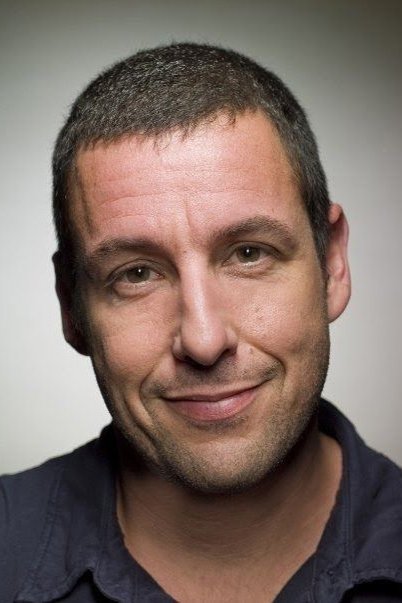
Sandler’s comedies have dominated the box office while regularly earning weak reviews, especially broad vehicles like ‘Jack and Jill’, ‘Grown Ups’, and ‘Pixels’. Many of his films rely on the same ensemble and vacation style settings that critics say favor easy gags over tight scripts. His streaming era output includes quick turnaround productions that keep audiences engaged but rarely impress awards bodies. He does have acclaimed dramatic turns such as ‘Punch-Drunk Love’ and ‘Uncut Gems’, which stand out precisely because so much of his catalog skews disposable.
Rob Schneider
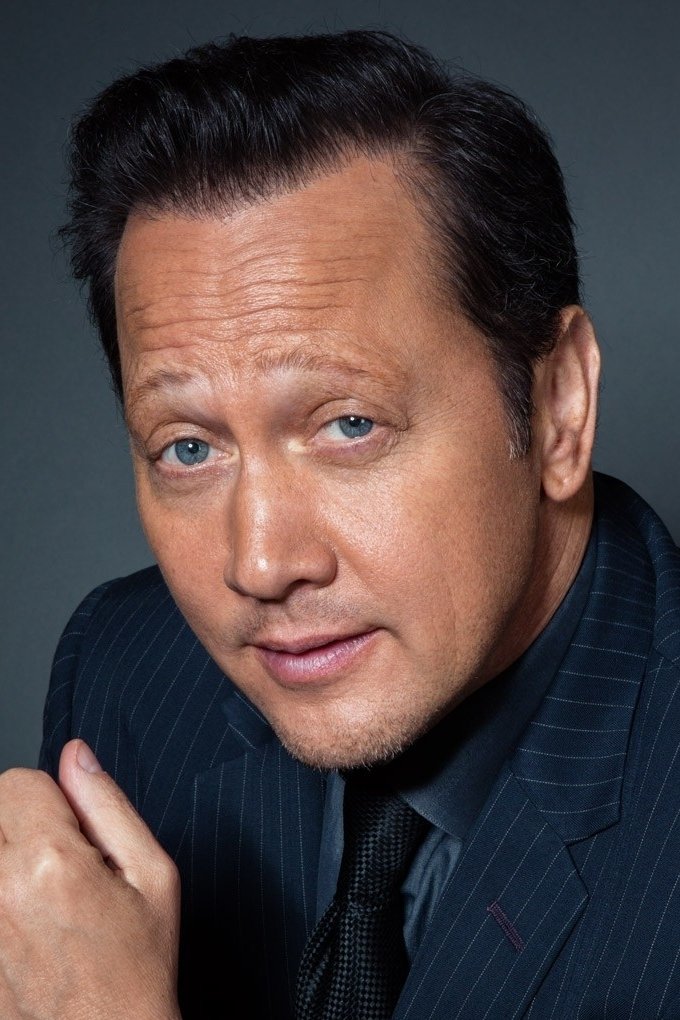
Schneider built a brand on high concept slapstick like ‘Deuce Bigalow’, ‘The Animal’, and ‘The Hot Chick’, all of which drew poor critical notices despite solid cable and home video tails. The humor leans on recurring bits and stereotypes that have aged badly, which drags reception even further over time. His later career shifted to smaller releases and cameo work that rarely reversed the trend. Audience familiarity kept these projects visible even as critics consistently panned them.
Kevin James
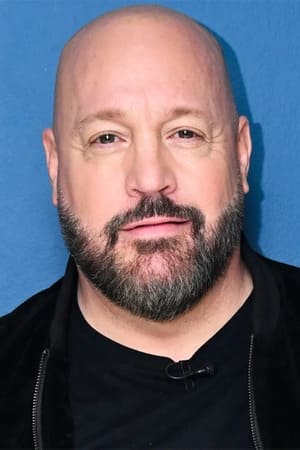
James headlined broad family comedies such as ‘Paul Blart: Mall Cop’, ‘Zookeeper’, and ‘Here Comes the Boom’, which earned money but weak reviews. The films rely on physical comedy and simple underdog plots that critics describe as formulaic. His collaborations with friends in ensemble comedies kept the same tone across multiple projects. A rare detour into thriller territory with ‘Becky’ drew better notices, highlighting how unusual quality is across his filmography.
David Spade

Spade’s star vehicles like ‘Joe Dirt’, ‘Dickie Roberts’, and ‘The Do-Over’ leaned on familiar snark and man-child setups that critics found thin. Many of his titles arrive through ensemble pipelines that prioritize output over development. Streaming comedies extended this approach with brisk productions and minimal rewrites. Occasional voice work performs better, but his live-action features usually land near the bottom of yearly lists.
Steven Seagal
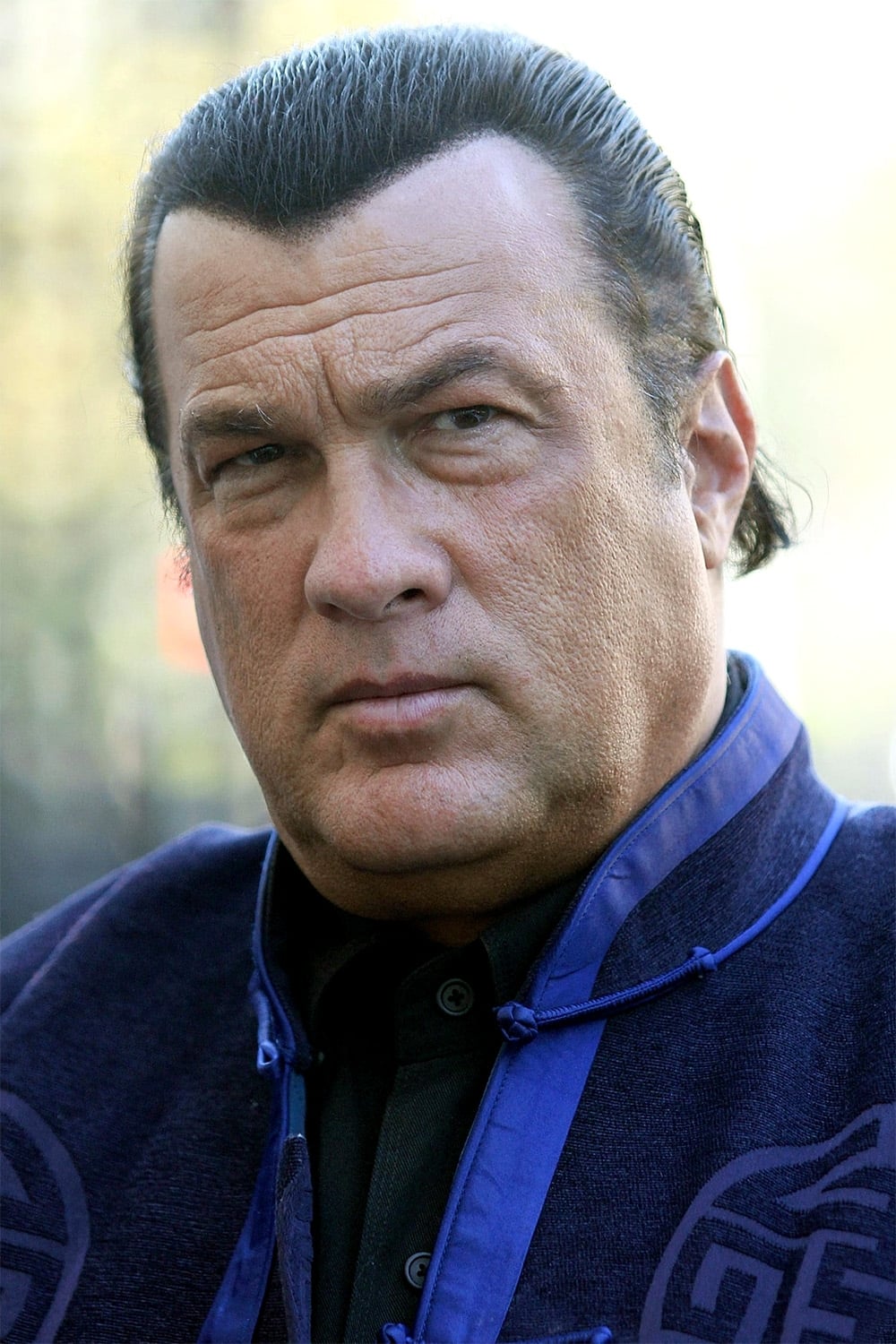
After an early run of hits, Seagal shifted heavily into direct-to-video action like ‘Against the Dark’, ‘A Good Man’, and ‘Force of Execution’. These productions reuse plots, settings, and stock fight scenes that critics call interchangeable. Limited screen time in his own films and body-double heavy action sequences further hurt reception. The result is a long tail of releases that remain prolific but poorly regarded.
Nicolas Cage
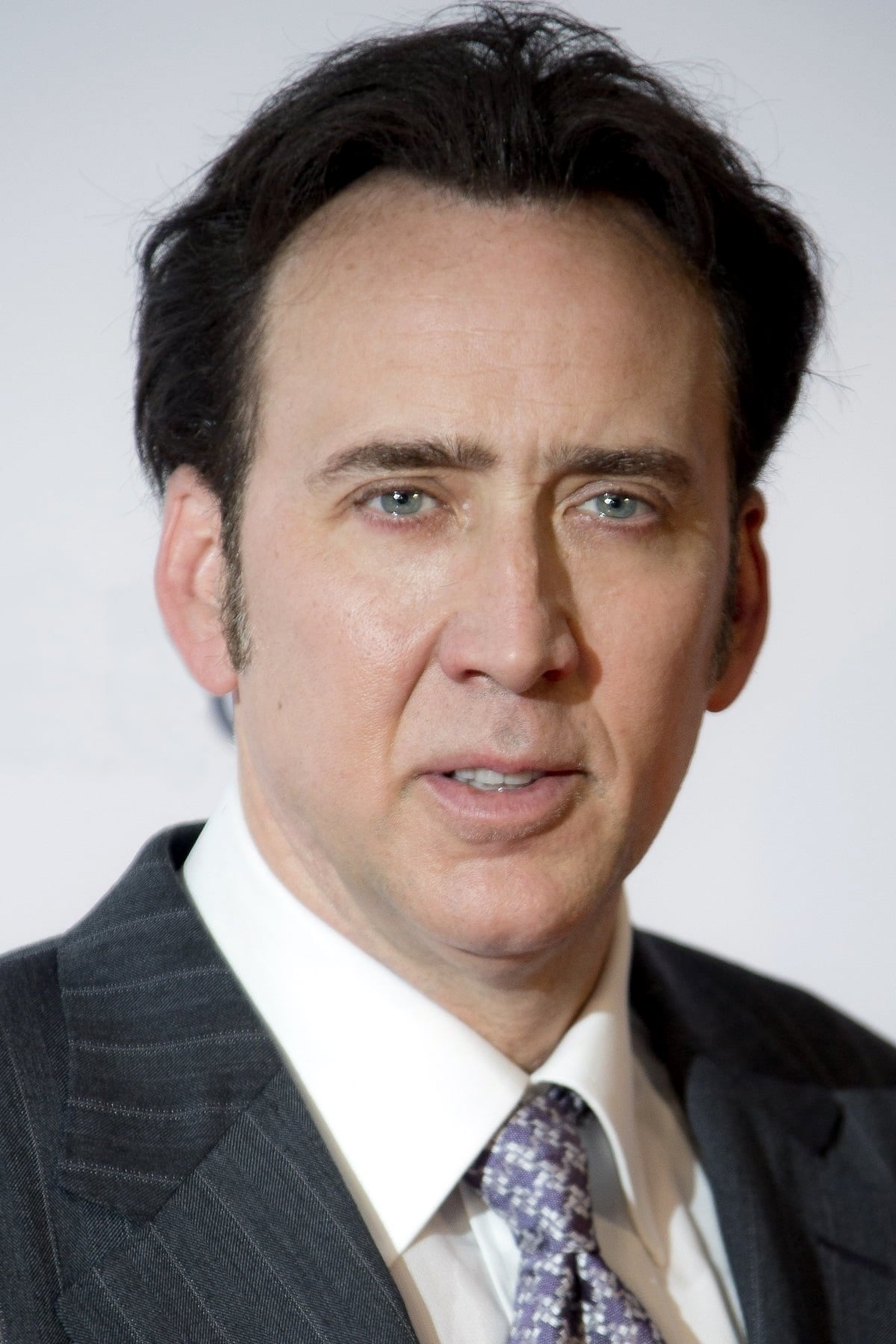
Cage’s output includes festival favorites alongside a large slate of low budget thrillers such as ‘Left Behind’, ‘Between Worlds’, and ‘211’ that critics dismissed. A deliberate work rate keeps multiple projects per year on VOD, which dilutes perceived quality. The highs like ‘Pig’ and ‘Mandy’ show how strong material can unlock great performances. The broader catalog is dominated by quick shoots and uneven scripts that pull averages down.
Bruce Willis

In the final active years of his career, Willis appeared in numerous microbudget action films like ‘Cosmic Sin’, ‘Out of Death’, and ‘A Day to Die’ that drew very poor reviews. Many of these featured brief appearances edited to look like leads, a tactic common in assembly line productions. Earlier classics such as ‘Die Hard’ and ‘The Sixth Sense’ set a high bar that these later titles could not meet. The sheer volume of releases with minimal ambition cemented a mostly negative late-career filmography.
John Travolta
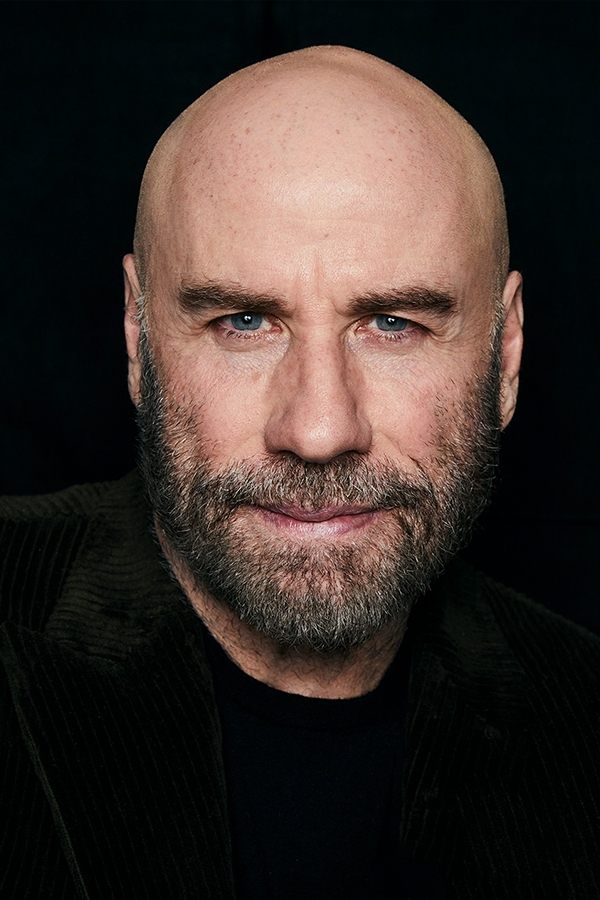
Travolta’s post-comeback choices included notorious misfires like ‘Battlefield Earth’, ‘Gotti’, and ‘The Fanatic’. These films struggled with script quality, direction, or production values that critics flagged immediately. He continues to pick thrillers and true crime dramas that rarely gain traction beyond curiosity. The contrast with peaks like ‘Pulp Fiction’ makes the downturn more visible across his list of credits.
Katherine Heigl

Heigl’s run of studio rom-coms like ‘The Ugly Truth’, ‘Killers’, and ‘One for the Money’ drew consistently poor reviews despite wide releases. Industry coverage often cited repetitive character types and thin scripts. Her move to smaller thrillers and streaming projects did not significantly improve reception. Television work remains a steadier lane while her film catalog skews toward underperforming titles.
Gerard Butler
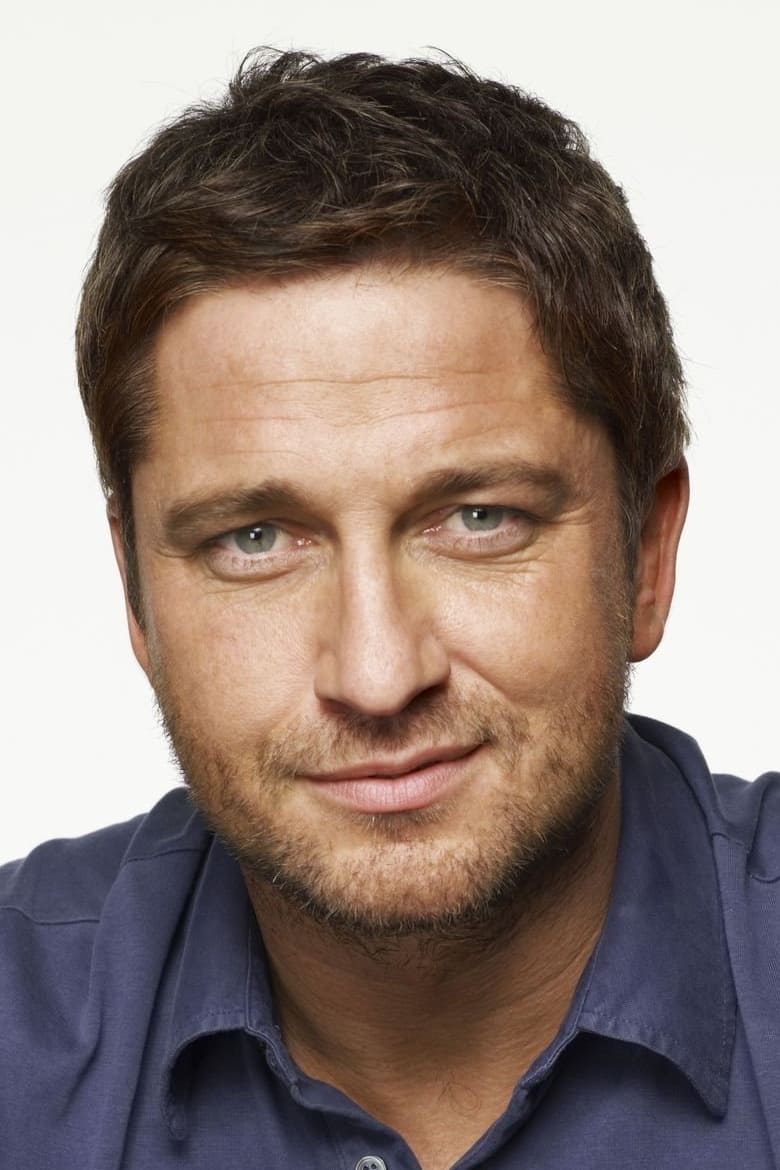
Butler alternates franchise action with effects heavy projects such as ‘Gods of Egypt’, ‘Geostorm’, and ‘Movie 43’, all widely panned. The ‘Fallen’ series delivers steady profits while drawing mixed to negative reviews. He frequently anchors midbudget action that relies on stock premises and heavy CGI. Occasional crowd pleasers like ‘Plane’ do better, but his averages remain pulled down by many routine efforts.
Megan Fox
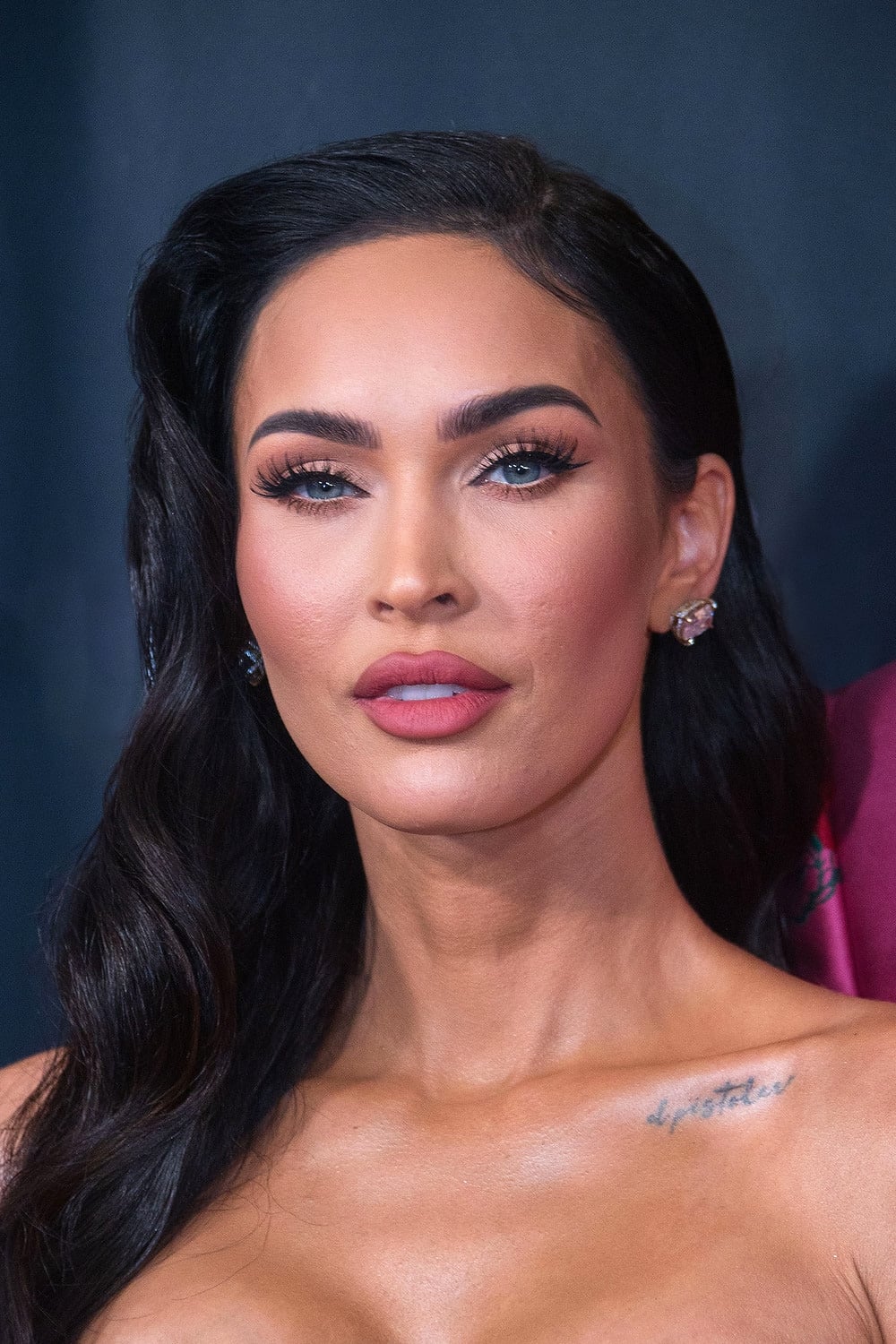
Fox’s breakout made her a fixture in effects franchises like ‘Transformers’ and reboots like ‘Teenage Mutant Ninja Turtles’, which drew mixed or negative reviews. Many subsequent thrillers and comedies were modestly budgeted and lightly marketed, limiting impact. Critics often cited thin character writing rather than her performances alone. Cult appreciation for ‘Jennifer’s Body’ has grown, yet the broader filmography still trends poorly.
Vin Diesel
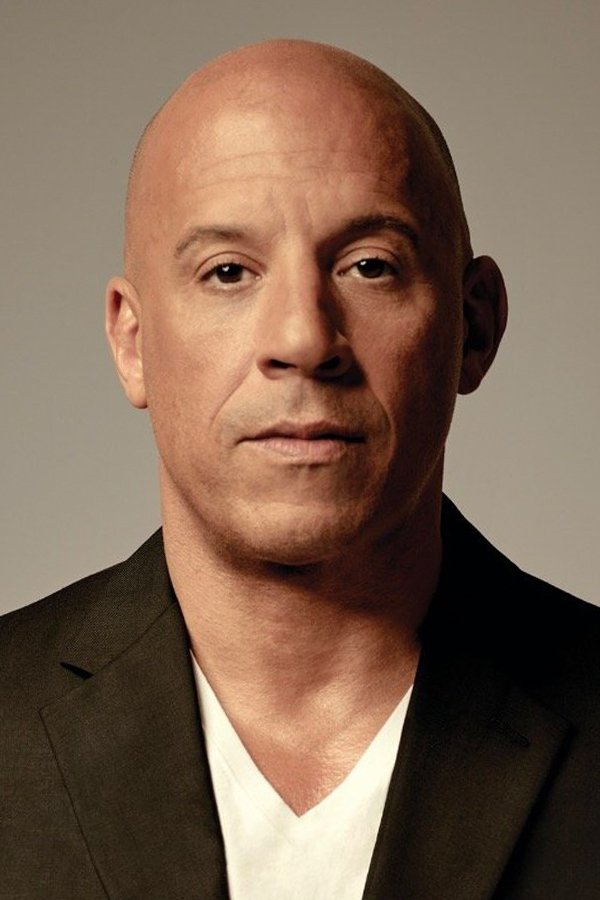
Diesel’s marquee is tied to ‘Fast and Furious’, a series that sells tickets while often receiving mixed notices. Outside that franchise he headlined titles like ‘The Last Witch Hunter’, ‘Bloodshot’, and ‘xXx: Return of Xander Cage’ that critics rated poorly. Many roles emphasize brand consistency over story innovation. The result is commercial durability with a long list of critically weak entries.
Dwayne Johnson
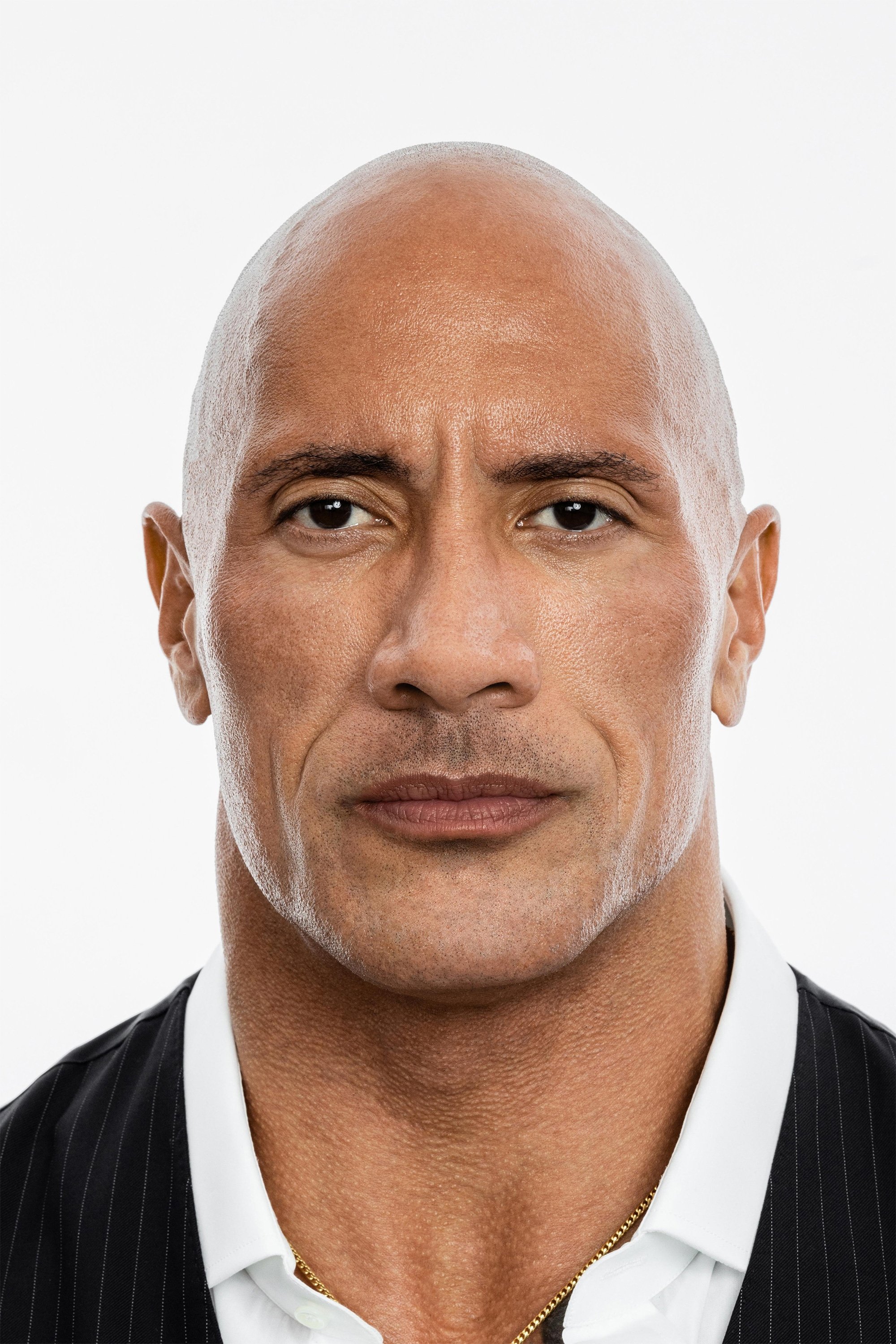
Johnson’s star power fuels global box office, but many vehicles like ‘Baywatch’, ‘Skyscraper’, and ‘Black Adam’ met tepid to negative reviews. His projects often chase four quadrant appeal with safe plotting and heavy CG. Franchise building sometimes prioritizes spinoff potential over narrative risk. The filmography remains massively popular while critical response trends down the middle or below.
Taylor Lautner
Following ‘The Twilight Saga’, Lautner led action and thrillers such as ‘Abduction’ and ‘Tracers’ that critics panned. He appeared in ensemble comedies like ‘The Ridiculous 6’ that also drew poor notices. Limited variety in roles and small release footprints hurt momentum. His post-franchise film career remains defined by a cluster of weakly received titles.
Ashton Kutcher
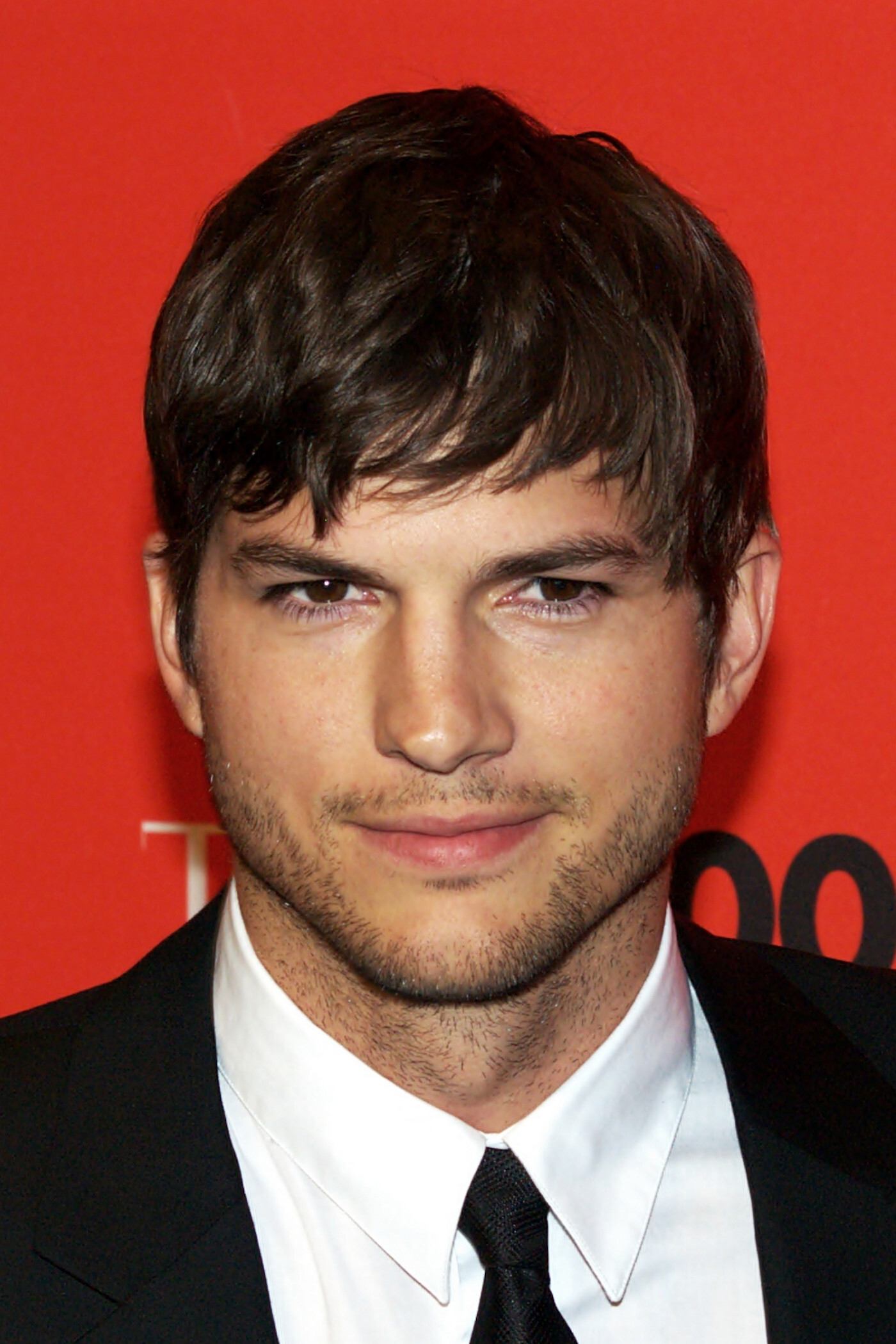
Kutcher’s theatrical output leaned on rom-coms and high concept comedies including ‘What Happens in Vegas’, ‘Killers’, and ‘Guess Who’, many of which earned low scores. His biopic ‘Jobs’ divided critics and did not reshape his film reputation. He found steadier success on television and in producing. The film resume is heavy on midtier projects that rarely break through critically.
Jamie Kennedy
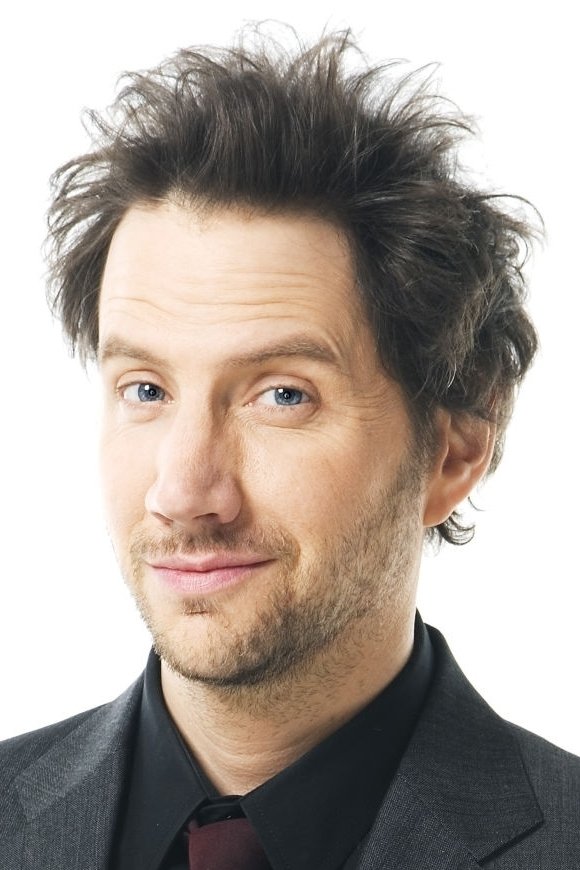
Kennedy’s starring turns in ‘Malibu’s Most Wanted’, ‘Kickin’ It Old Skool’, and especially ‘Son of the Mask’ drew harsh reviews. Attempts to extend sketch style humor into features struggled with story structure. Later releases shifted to low budget fare with minimal theatrical presence. The overall filmography is remembered more for misfires than hits.
Jennifer Lopez

Lopez has major star power, but many films like ‘Gigli’, ‘The Boy Next Door’, and ‘Second Act’ were poorly received. She frequently headlines glossy romances or thrillers that critics call formulaic. Streaming releases have continued the pattern with mixed reactions. A standout like ‘Hustlers’ shows her range, yet many surrounding titles underwhelm.
Jessica Alba

Alba’s big budget efforts such as ‘Fantastic Four’ and ‘Into the Blue’ drew weak reviews and established a pattern of style over substance. Subsequent thrillers and action roles seldom reversed that perception. She shifted focus to business ventures and television work, leaving a film catalog with few critical favorites. Cameos and supporting parts did little to change aggregates.
Jai Courtney
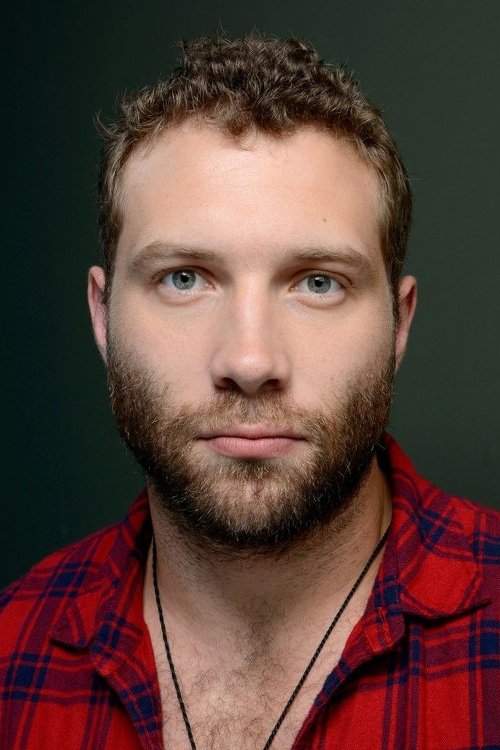
Courtney’s franchise entries like ‘A Good Day to Die Hard’, ‘Terminator Genisys’, and ‘Suicide Squad’ were widely criticized. He often landed roles as tough secondary leads or co-leads in projects heavy on spectacle. Attempts at dramatic pivots received limited attention. The concentration of poorly reviewed franchise installments keeps his averages low.
Sam Worthington
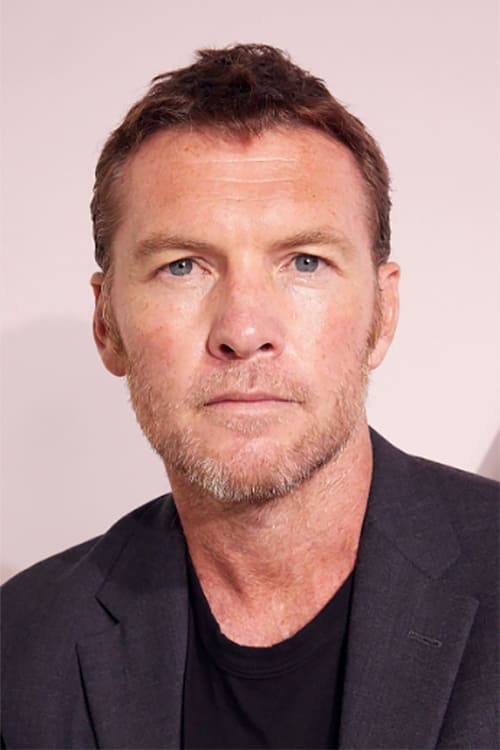
Worthington’s breakout led to headlining effects driven films like ‘Clash of the Titans’ and ‘Wrath of the Titans’ that critics panned. Midbudget thrillers such as ‘Man on a Ledge’ did not shift the narrative. He continues to appear in large franchises in supporting capacities while smaller vehicles struggle for acclaim. The tally of weakly reviewed titles outweighs a handful of high profile appearances.
Share which actors you think deserve a second look in the comments.