The story of how virtual casinos and games of chance conquered modern fictional universes

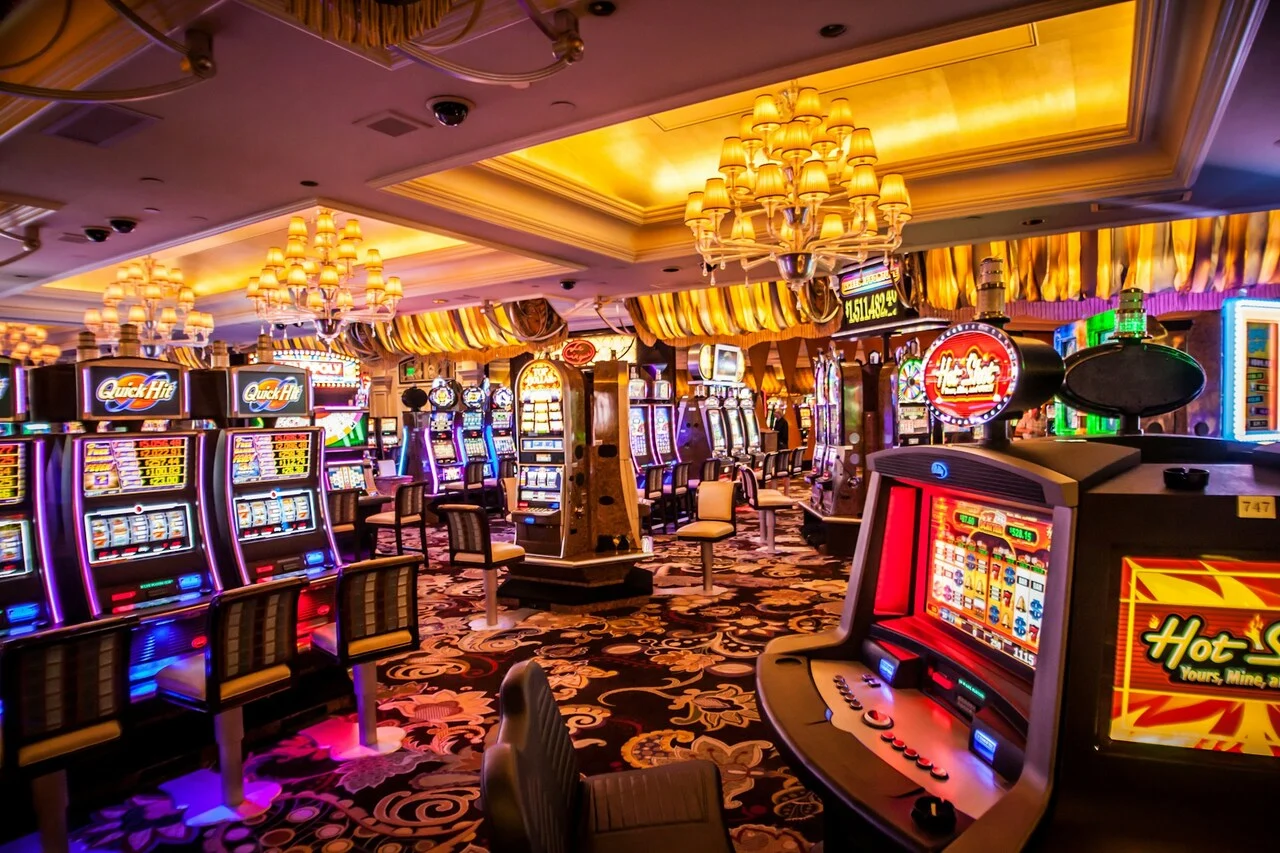

A casino brings together all the good parts of a great story into one conhesive picture. It has strangers who would otherwise not mix, a whole lot of jeopardy, and an outcome that nobody in the scene has any control over whatsoever. Writers reach for it all the time, not because gambling itself is interesting per se, but because chance is very efficient. Even just one hand of cards can carry tension that would otherwise take pages of exposition to build. That efficiency is a great little short-cut which is inherited, not invented. And because of its long history, we can all relate (or are at least familiar with) the feeling of anticipation and jeopardy.
The West’s first legal and government-run gambling house was Venice’s Ridotto. It had opened inside the Palazzo Dandolo in 1638 and the idea was to contain a demand for wagering the city couldn’t police. Kind of like an amnesty, or the Purge. This is a common theme of gambling history, where it would be illegal – except – for something quite specific, like a government casino or betting on the horses at live races. The casino was open for over a century before Venetian authorities shut it down in 1774, saying it was ruining the city’s own gentry.
Quark’s Bar
The best fictional casino games can pull from a lot of inspiration. They often characterise whoever runs them. Star Trek: Deep Space Nine had invented Dabo, a pseudo-roulette game staffed by Dabo girls and Dabo boys whose actual job, within the show’s own logic, was to distract players into losing. The Ferengi who ran it took both latinum and house tokens as tender, never pretending the wheel was fair. “Watch the wheel, not the girl” became the in warning mantra about exactly that. It works on a drama level because it’s highly specific, where a species built on profit invents a casino game that cheats. It’s why casino settings compel a story more than a den of vice can.
From the strip to the wasteland: When games borrow real history
Fallout: New Vegas went all in on its three Strip casinos, even referencing some real ones. The Tops echoes the Sands and the Mint’s mid-century classic Vegas image, Gomorrah is modelled on the mob-linked Dunes, while Ultra-Luxe has the high-end, dress-code-enforced high-roller angle. That lineage runs way back too for Ultra-Luxe, as its commercial venue, distinct from the wagering itself, is a 19th-century invention. Monte-Carlo’s casino, still the reference point for the word, opened in 1863. Clearly fiction doesn’t just borrow the aesthetic of a casino but its commercial format and repaints it for whatever genre needs it.
Sabacc and the economics of fictional chance
Star Wars‘ sabacc looks like it’s a part of the franchise furniture, but it wasn’t even in in a film until decades after fans already knew of it. The game first arose in the 1983 Legends novel Lando Calrissian and the Mindharp of Sharu, not on screen. When Disney reorganised Star Wars continuity after acquiring Lucasfilm, sabacc briefly fell out of official canon along with the rest of the old Legends material, and only became canon again through its inclusion in the 2014 A New Dawn (novel). It was a card game’s in-universe legitimacy decided by a corporate rights reshuffle rather than a script. Most playable versions use a 76-card deck and reward a hand valued as close to 23 as possible without going over. So it’s kind of closer to blackjack than poker but with more exotic dressing.
When the house moves online
Fictional chance games are always going to stay safely hypothetical. Real ones though, attached to real platforms, are everywhere. Grand Theft Auto Online’s Diamond Casino & Resort launched in 2019 and was blocked in 54 countries on its release day. It forced Rockstar to route around real-money gambling law by making its in-game currency (chips) available only through a capped, non-purchasable in-game system rather than a cash exchange. The workaround shows the exact line that regulators watch for, and it’s the same line that gamified storytelling built around virtual casinos keeps running into.
Sweepstakes platforms as the Next Iteration
Modern sweepstakes and social-casino platforms run on a dual-currency structure, which is interesting to say the least from a regulator standpoint. A purchasable coin with no cash value sits along a second currency, which is distributed through bonuses or free promotional entry.
To read more about format itself, rather than its fictional descendants, you can visit thespike.gg for sweeps to compare how individual platforms structure their game libraries, promotions and redemption terms.
Ultimately though, coins can be redeemed for cash once wagering conditions are met and the same real-money/no-real-money split that GTA Online reached for inside a game. It isn’t uniformly available everywhere, though, because by mid-2026, with certain states passing bans, though many still permit it.