Top 10 Coolest Things About Leonardo DiCaprio


Leonardo DiCaprio has built a career defined by bold choices, meticulous preparation, and long-running collaborations with some of the most influential directors working today. From breakout roles to awards-season fixtures, his filmography spans sweeping epics, psychological thrillers, crime dramas, and satirical comedies. He often pairs star power with technically demanding productions, helping complex, adult-skewing movies become genuine cultural events. Here are ten concrete highlights from his screen work that show how he’s shaped modern cinema.
‘What’s Eating Gilbert Grape’ (1993) – a breakthrough that earned his first Academy Award nomination
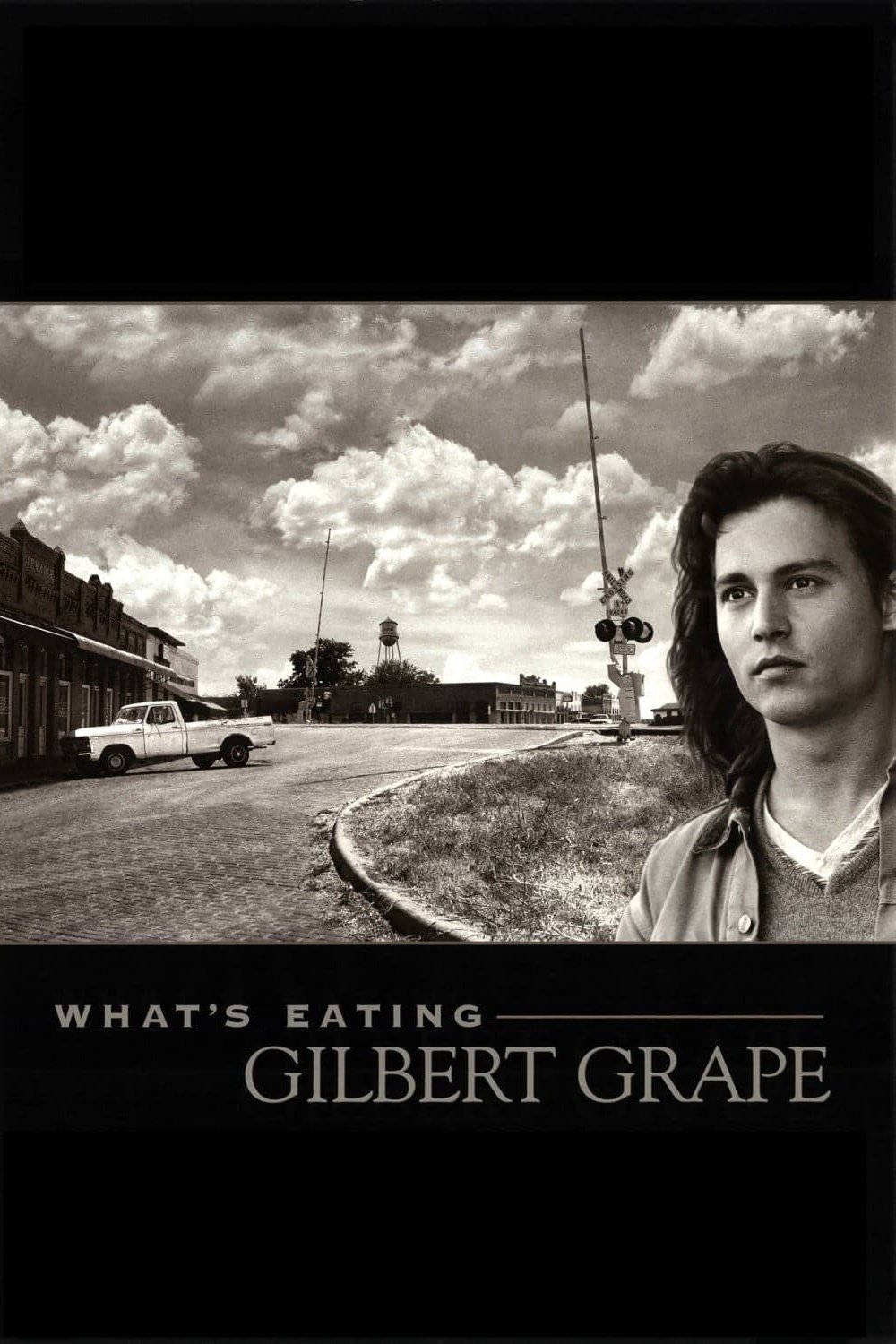
DiCaprio’s portrayal of Arnie Grape drew widespread recognition for its detail and discipline, earning him his first nomination from the Academy for supporting actor. He prepared extensively to capture Arnie’s behaviors and rhythms with consistency from scene to scene. The performance established him as a serious dramatic talent early in his career. It also positioned him for collaborations with top directors soon after.
‘Titanic’ (1997) – the performance that turned him into a global household name
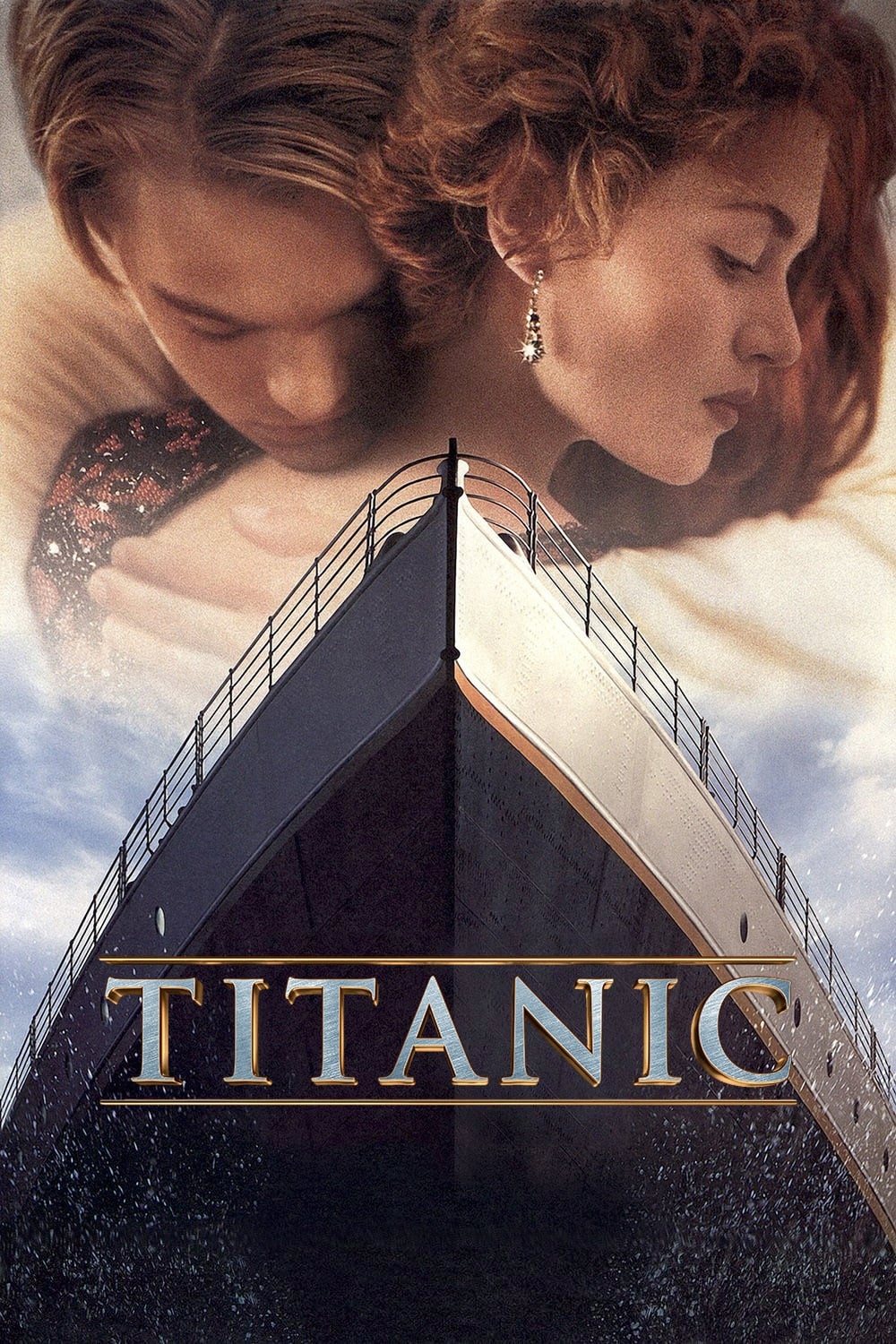
As Jack Dawson, DiCaprio anchored a large-scale romantic epic that became a record-setting box-office phenomenon. The movie swept major awards and introduced him to worldwide audiences far beyond his earlier indie and drama roles. His chemistry with Kate Winslet and strong presence in practical, effects-heavy set pieces helped the film’s emotional core land. The success opened doors to ambitious projects across genres.
‘Catch Me If You Can’ (2002) – showcasing range alongside Steven Spielberg and Tom Hanks

Playing Frank Abagnale Jr., DiCaprio convincingly tracked a character’s evolution from teenage runaway to master forger. He matched quick-change charisma with precise period detail across locations and identities. The film paired him with Tom Hanks in a brisk cat-and-mouse structure that highlighted timing and restraint. It remains a clear example of his agility with lighter tones while maintaining dramatic stakes.
‘The Aviator’ (2004) – a transformative biopic he produced through Appian Way
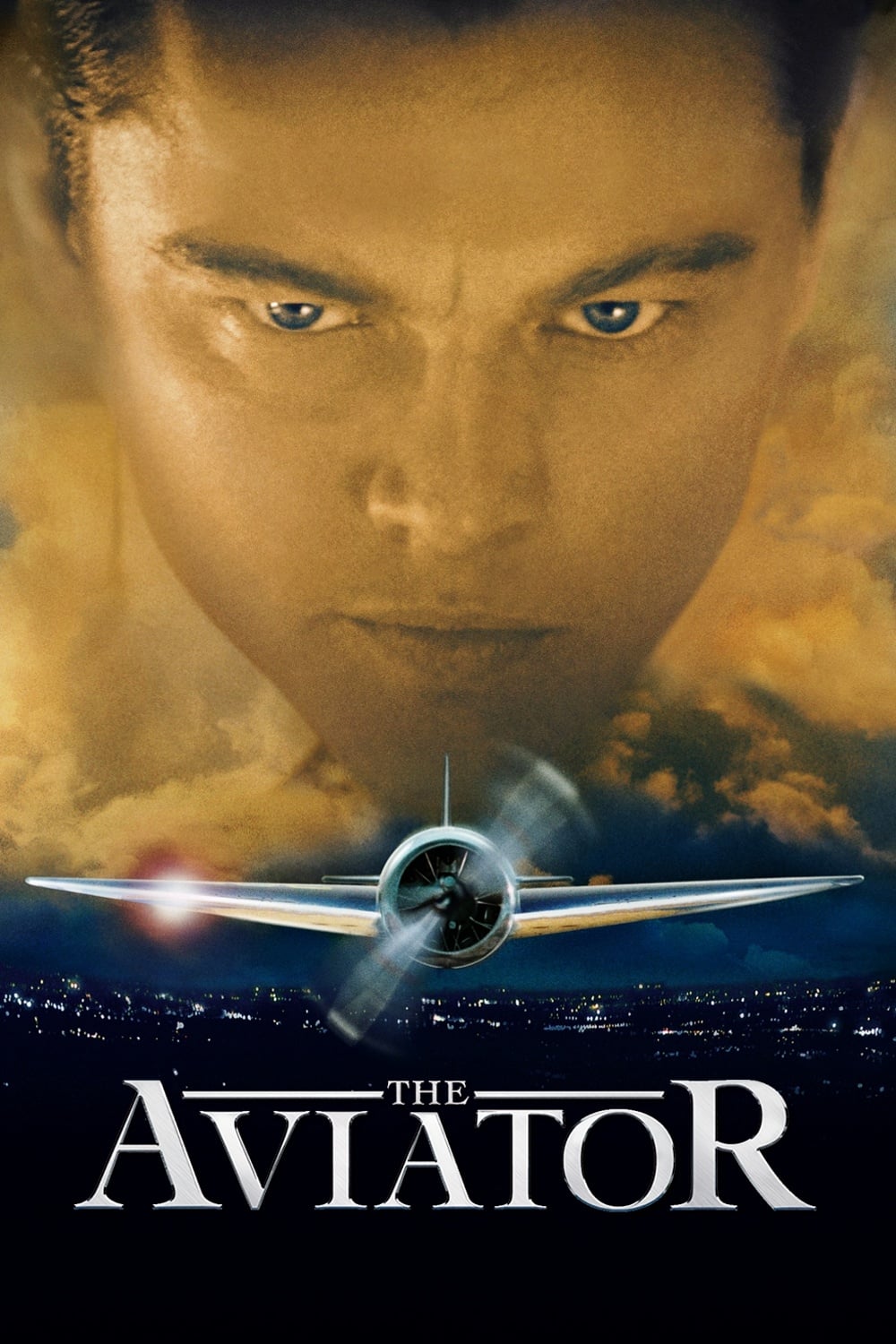
As Howard Hughes, DiCaprio mapped out the aviator’s ambition, innovation, and struggles with obsessive-compulsive symptoms across aviation, cinema, and business. He prepared by studying Hughes’s habits, speech patterns, and public appearances to sustain continuity over long spans of the narrative. The film earned him major awards recognition and a Golden Globe win for best actor in a drama. Produced through his company Appian Way, it also underscored his role in shepherding prestige projects.
‘The Departed’ (2006) – deepening a pivotal partnership with Martin Scorsese
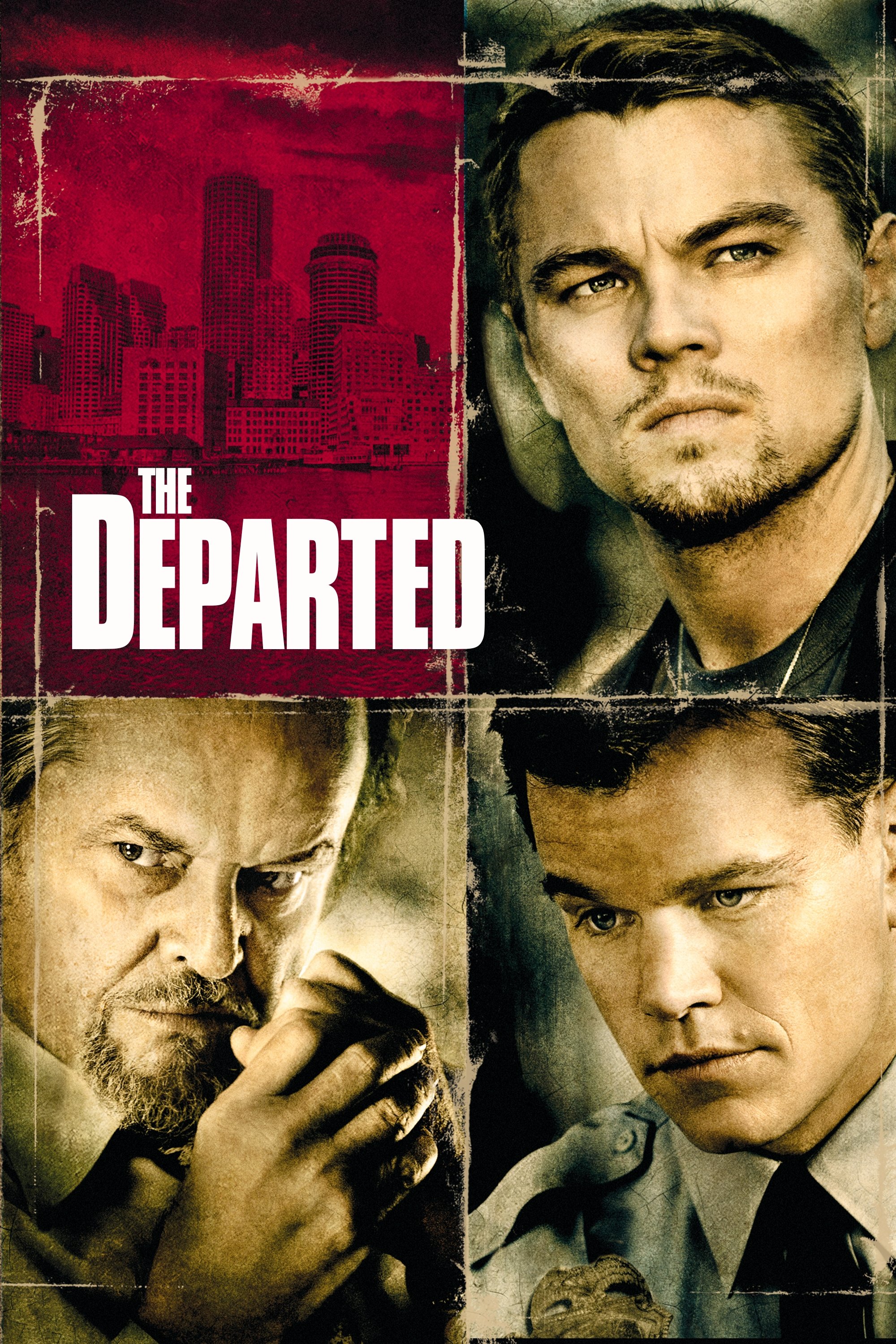
DiCaprio’s portrayal of an undercover state trooper pushed him into sustained psychological tension across intersecting crime-family loyalties. The film became a milestone for Scorsese, winning best picture and best director at the Academy Awards. DiCaprio’s work here solidified a modern actor-director collaboration that would continue across multiple features. The performance demanded physicality, accent control, and high-stakes emotional volatility.
‘Inception’ (2010) – leading a complex original blockbuster
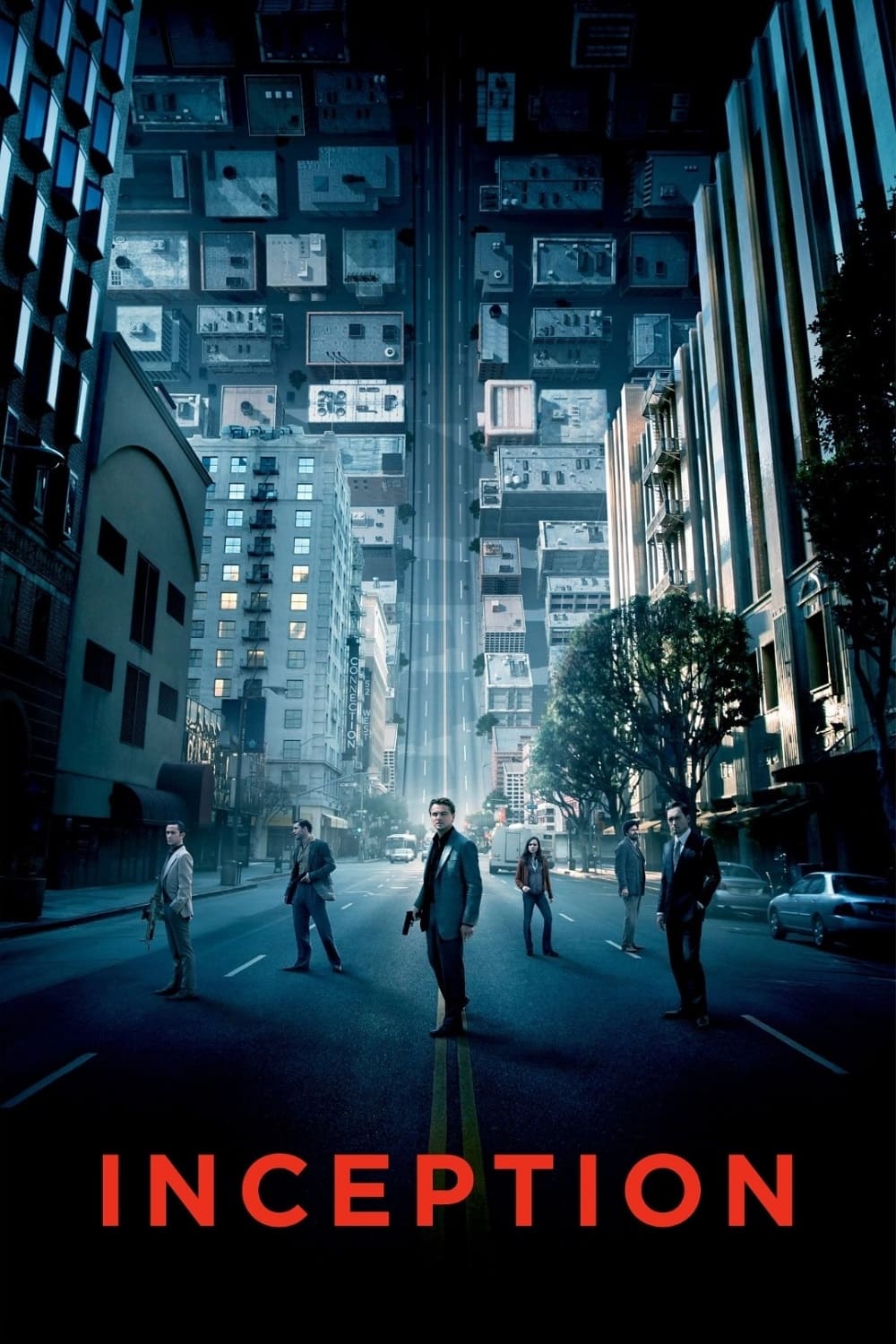
As Dom Cobb, DiCaprio grounded a layered heist within a high-concept framework of dream architecture. He carried intricate exposition while maintaining a clear emotional through-line around loss and responsibility. The production balanced large-format cinematography and extensive practical effects with a precise ensemble rhythm. The film’s success demonstrated his value as the anchor of challenging, original tentpoles.
‘The Wolf of Wall Street’ (2013) – fearless physical comedy and dramatic intensity in one role
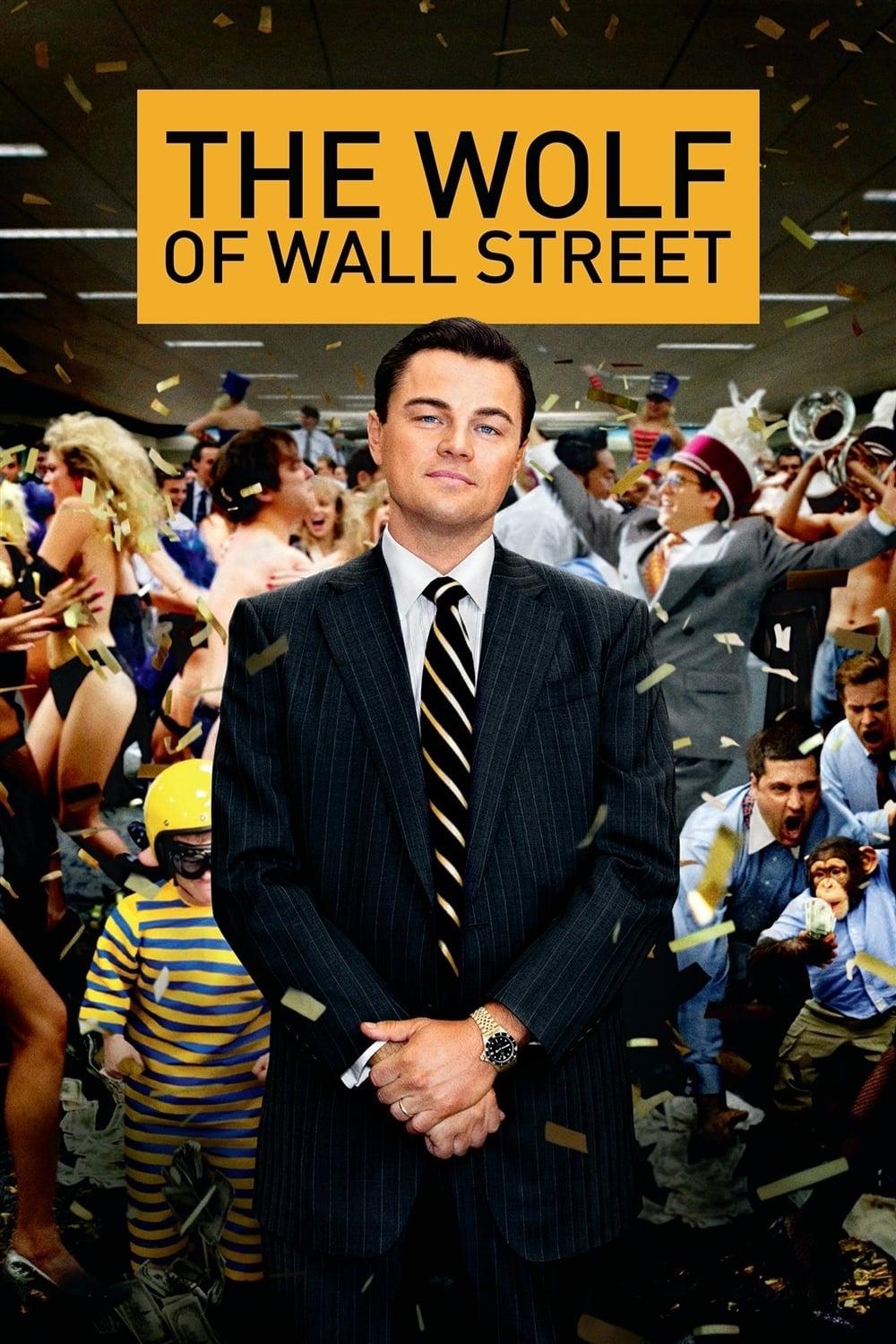
DiCaprio’s Jordan Belfort demanded rapid gear-shifts between satirical excess and sharp, dramatic beats. He executed extended physical sequences with rigorous choreography while maintaining vocal control through fast-paced monologues. The performance won him a Golden Globe for best actor in a musical or comedy and earned an Academy Award nomination. It also marked another major chapter in his ongoing collaboration with Martin Scorsese.
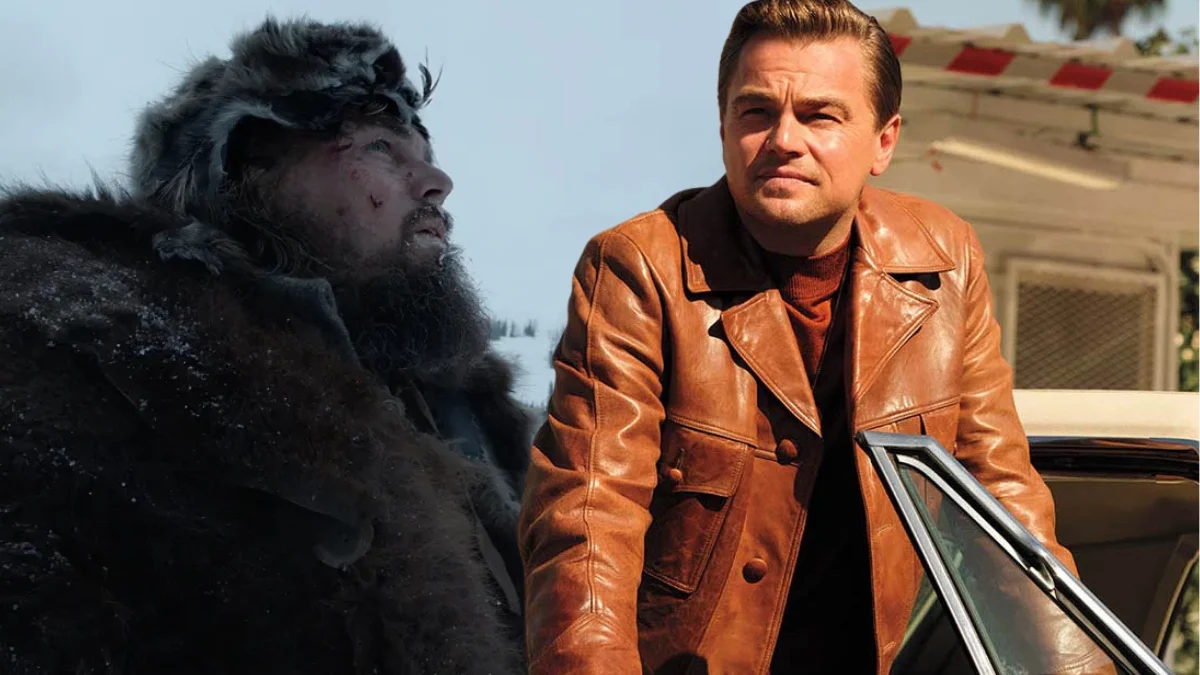
‘The Revenant’ (2015) – an endurance test that delivered his first Academy Award win
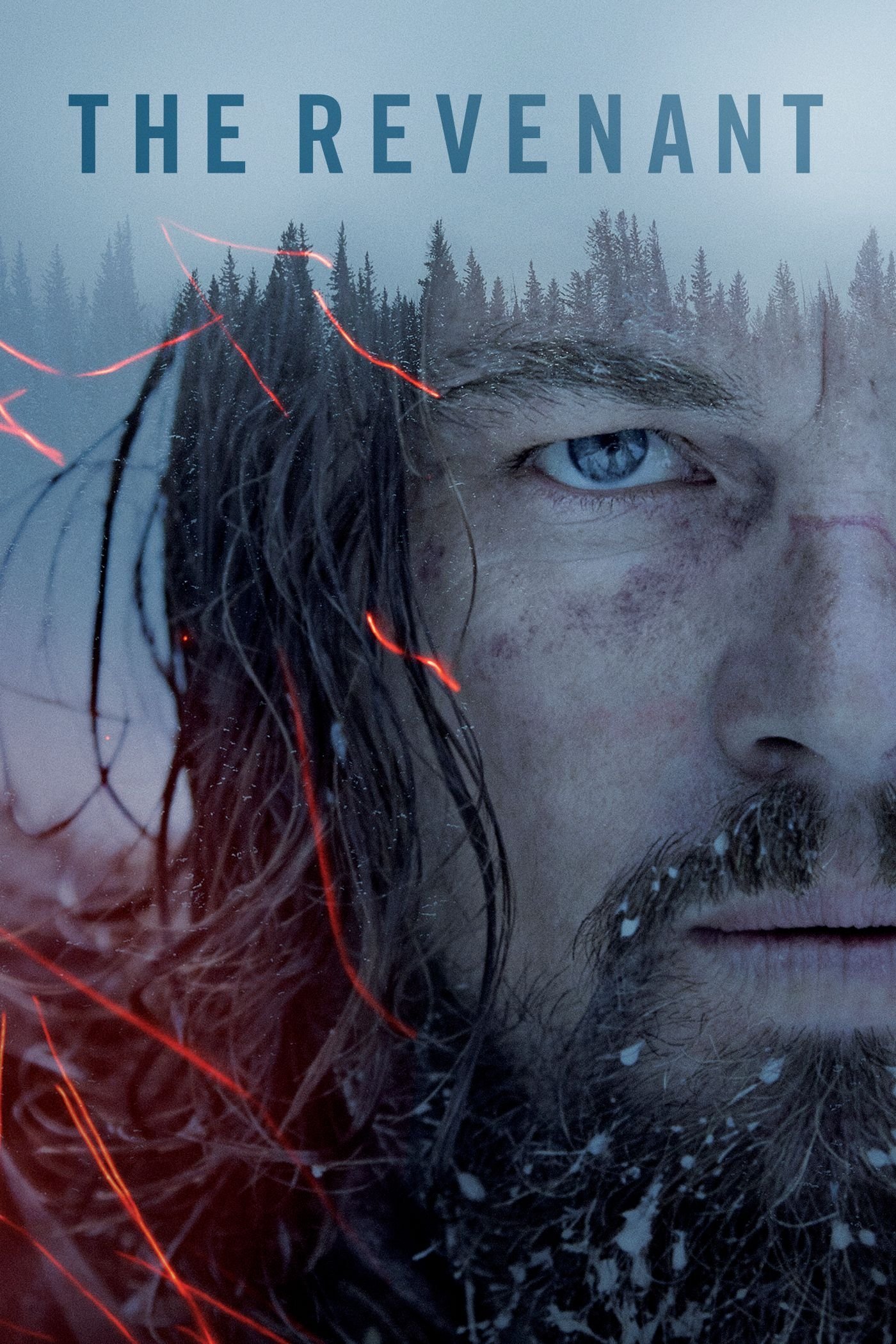
Under severe locations and natural-light shooting, DiCaprio committed to lengthy takes and minimal dialogue. He learned and delivered lines in Indigenous languages for key scenes and trained extensively for survival-focused sequences. His preparation included eating raw bison liver on camera to reflect the character’s circumstances. The performance earned him the Academy Award for best actor.
‘Once Upon a Time… in Hollywood’ (2019) – a layered portrait of a fading TV star with Quentin Tarantino
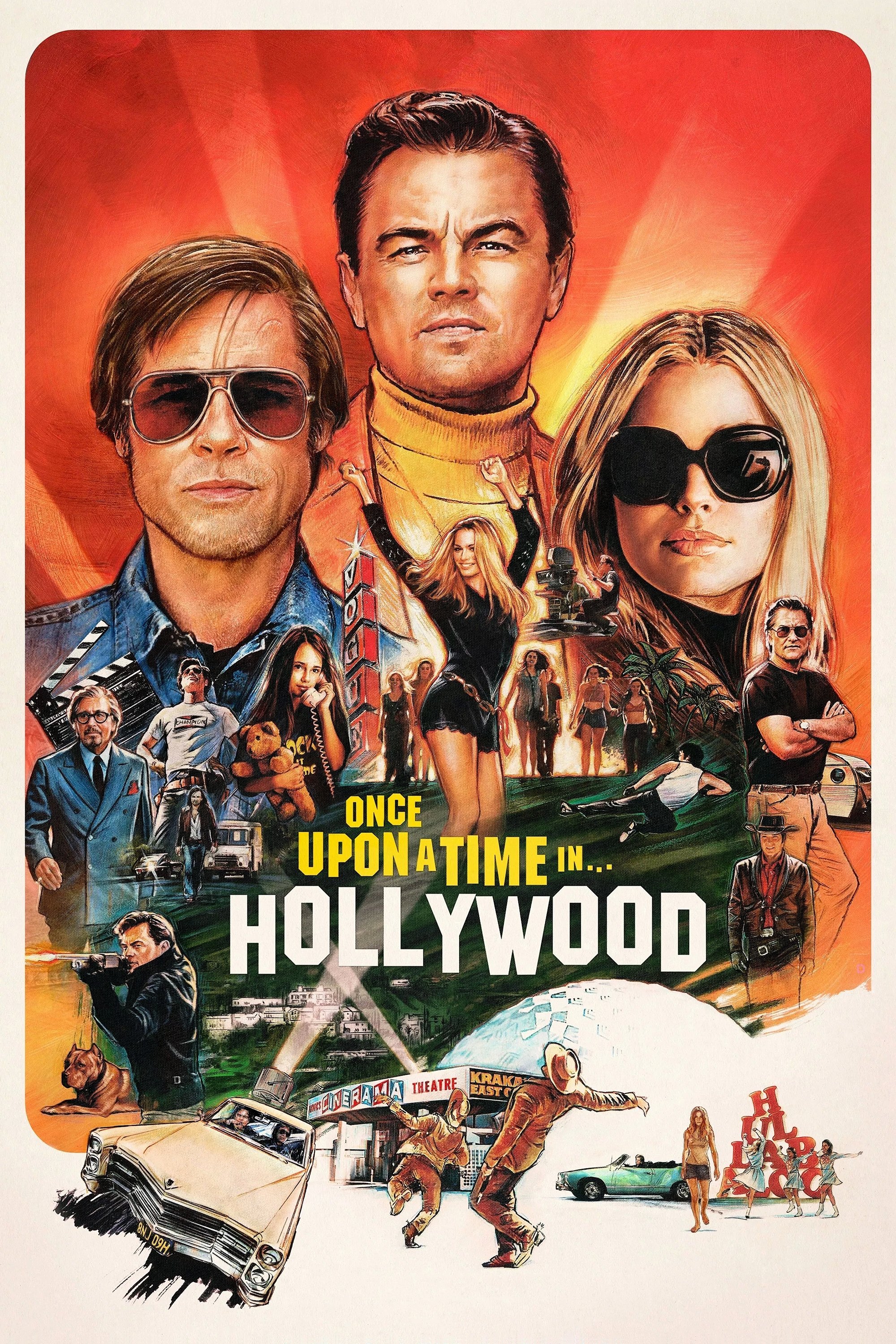
As Rick Dalton, DiCaprio navigated an actor’s stalled career, on-set anxiety, and bursts of confidence within a detailed re-creation of late-1960s Hollywood. He and Tarantino developed an in-world filmography and backstory that fed directly into scenes from set pieces to faux commercials. The role earned him nominations from major awards bodies for leading actor. It also showcased his ability to pivot between vulnerability, craft-talk banter, and explosive outbursts inside a single arc.
‘Killers of the Flower Moon’ (2023) – a pivotal role shift that reshaped the film’s perspective
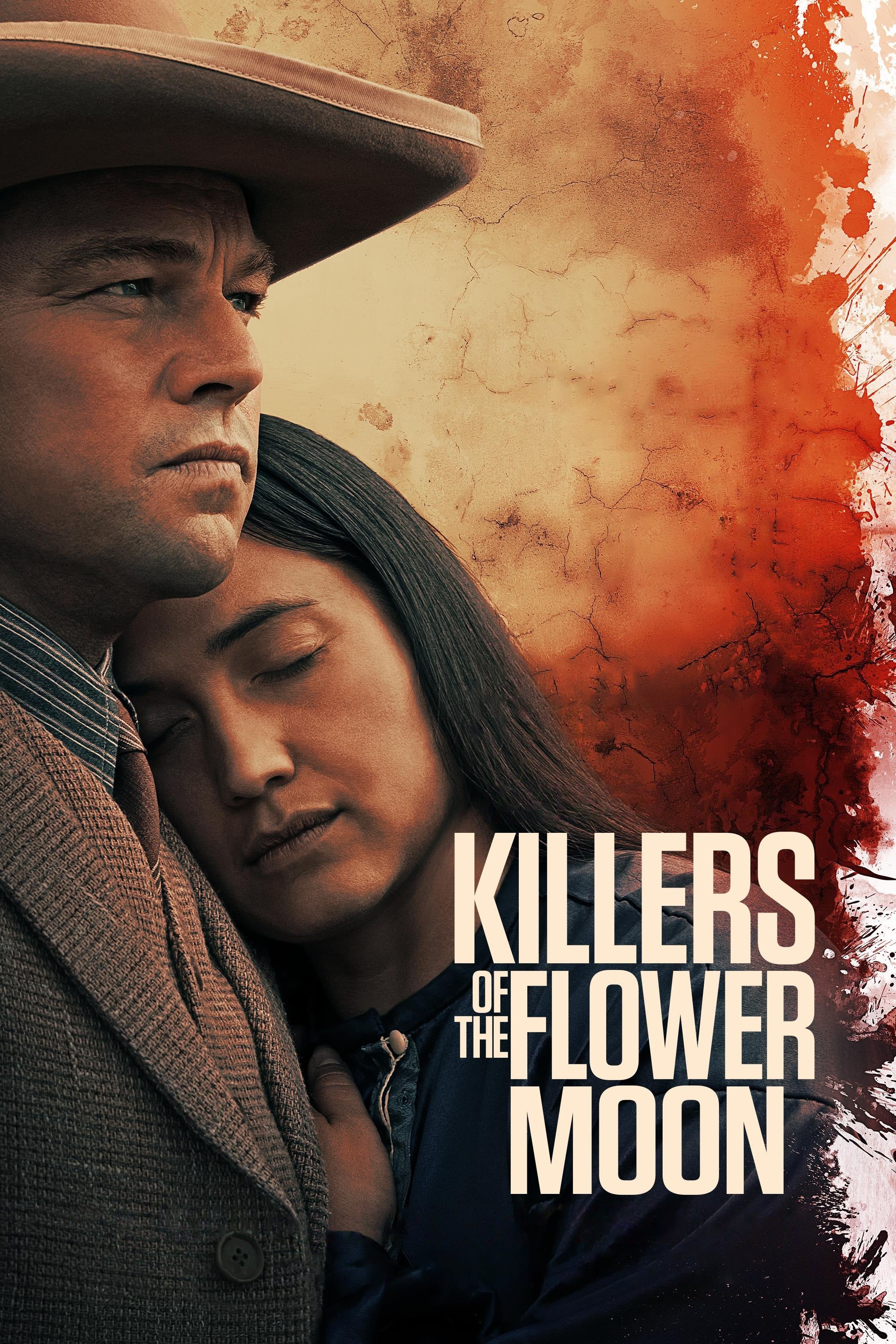
During development, DiCaprio moved from playing an investigator to portraying Ernest Burkhart, focusing the story on complicity within the Osage murders. The change emphasized intimate family dynamics and moral erosion, altering the narrative’s center of gravity. The Apple-backed production reunited him with Martin Scorsese and drew significant critical attention across festivals and awards circuits. His performance relied on tightly calibrated dialogue, regional speech, and sustained tension opposite Lily Gladstone and Robert De Niro.
Share your favorite DiCaprio performance in the comments and tell us which role surprised you most!