Top 10 Coolest Things About Natalie Portman

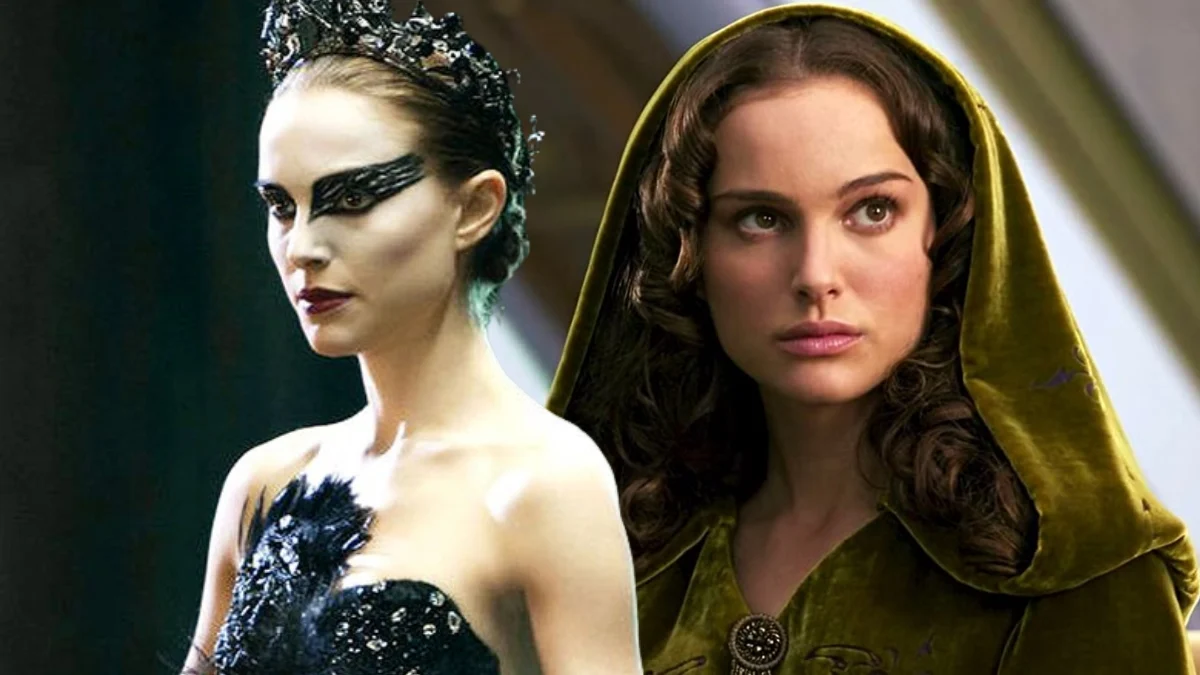

Natalie Portman has built one of the most versatile screen careers of her generation, moving from precocious breakout roles to franchise blockbusters, risk-taking indies, and even writing and directing. She’s collaborated with celebrated filmmakers across genres, anchored globally known characters, and earned major awards while still carving out time for producing and behind-the-camera work. Here are ten fact-packed highlights that show how consistently she’s pushed herself—and the projects she chooses—forward.
‘Léon: The Professional’ (1994) – the breakout that launched a global film career
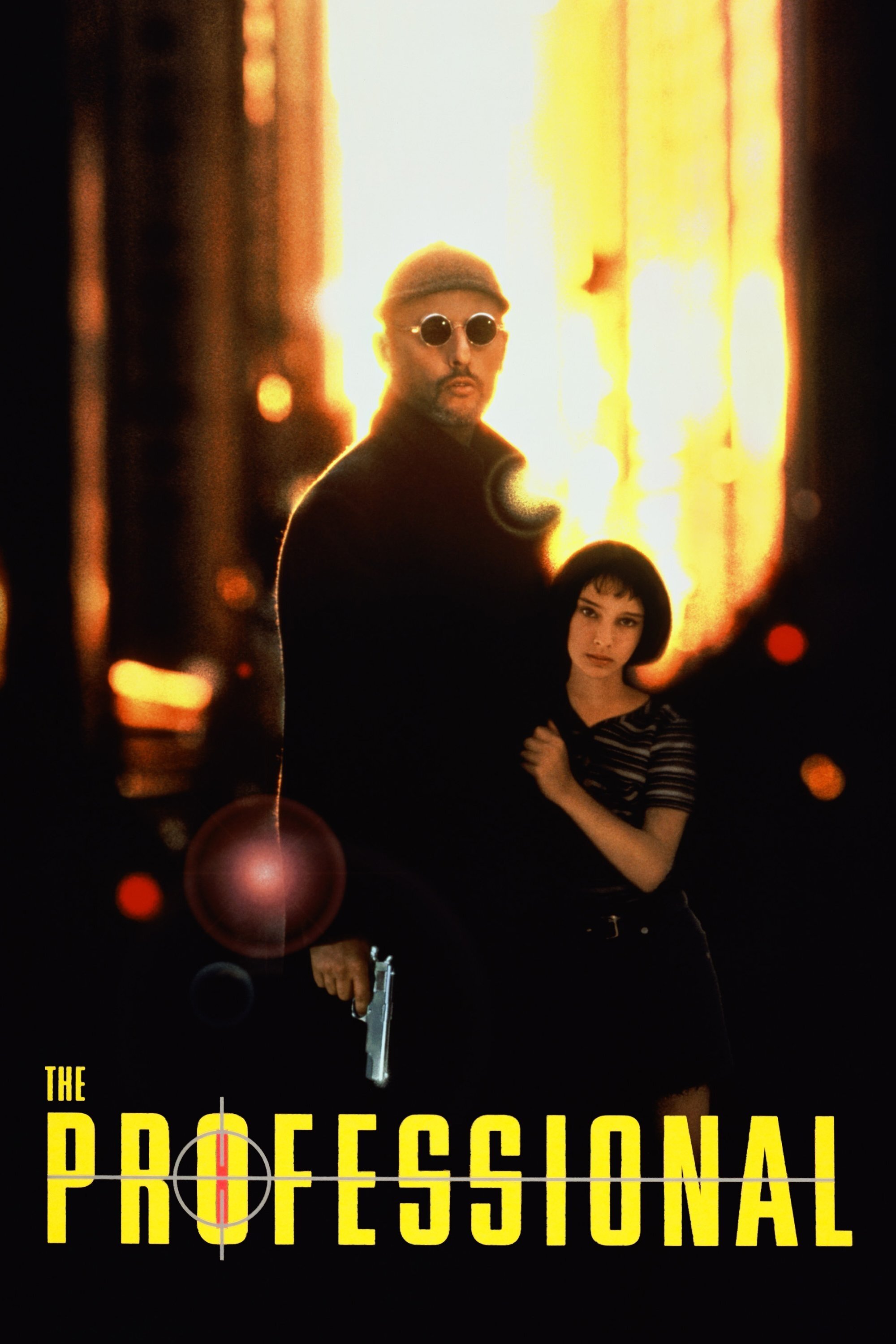
Portman made her feature debut as Mathilda, a trainee assassin whose emotional arc drives the story alongside the title character. Casting directors cited her poise and naturalism as key reasons she landed the part despite her age. The performance drew international attention and opened doors to major directors and studios. It established her early reputation for balancing intensity with vulnerability on screen.
‘Star Wars: Episode I–III’ (1999–2005) – defining Padmé Amidala across a space-opera trilogy

As Padmé Amidala, she led a politically savvy storyline that threaded through galactic conflict and personal destiny. The role required extensive blue- and green-screen work, complex stunt and action blocking, and close coordination with effects teams. Iconic wardrobe and design choices around the character became a visual hallmark of the prequels. The trilogy cemented her status as a franchise lead with worldwide recognition.
‘V for Vendetta’ (2005) – a fearless transformation for a dystopian landmark
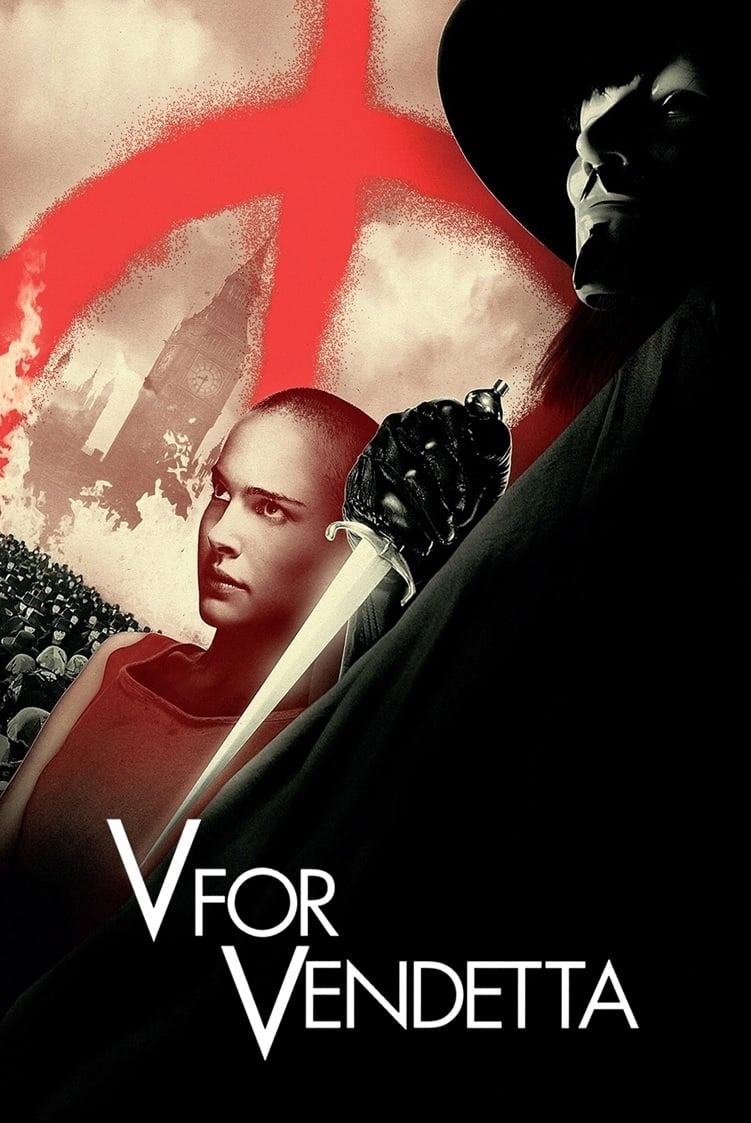
Portman portrayed Evey Hammond and famously shaved her head on camera for a pivotal sequence. The performance anchored a political thriller that blended graphic-novel aesthetics with themes of resistance and identity. Working with the producers behind the Wachowski-penned adaptation, she calibrated Evey’s arc from fear to agency. The film’s imagery, including the Guy Fawkes mask, became a lasting pop-culture symbol.
‘Closer’ (2004) – a stage-to-screen turn that earned major awards recognition
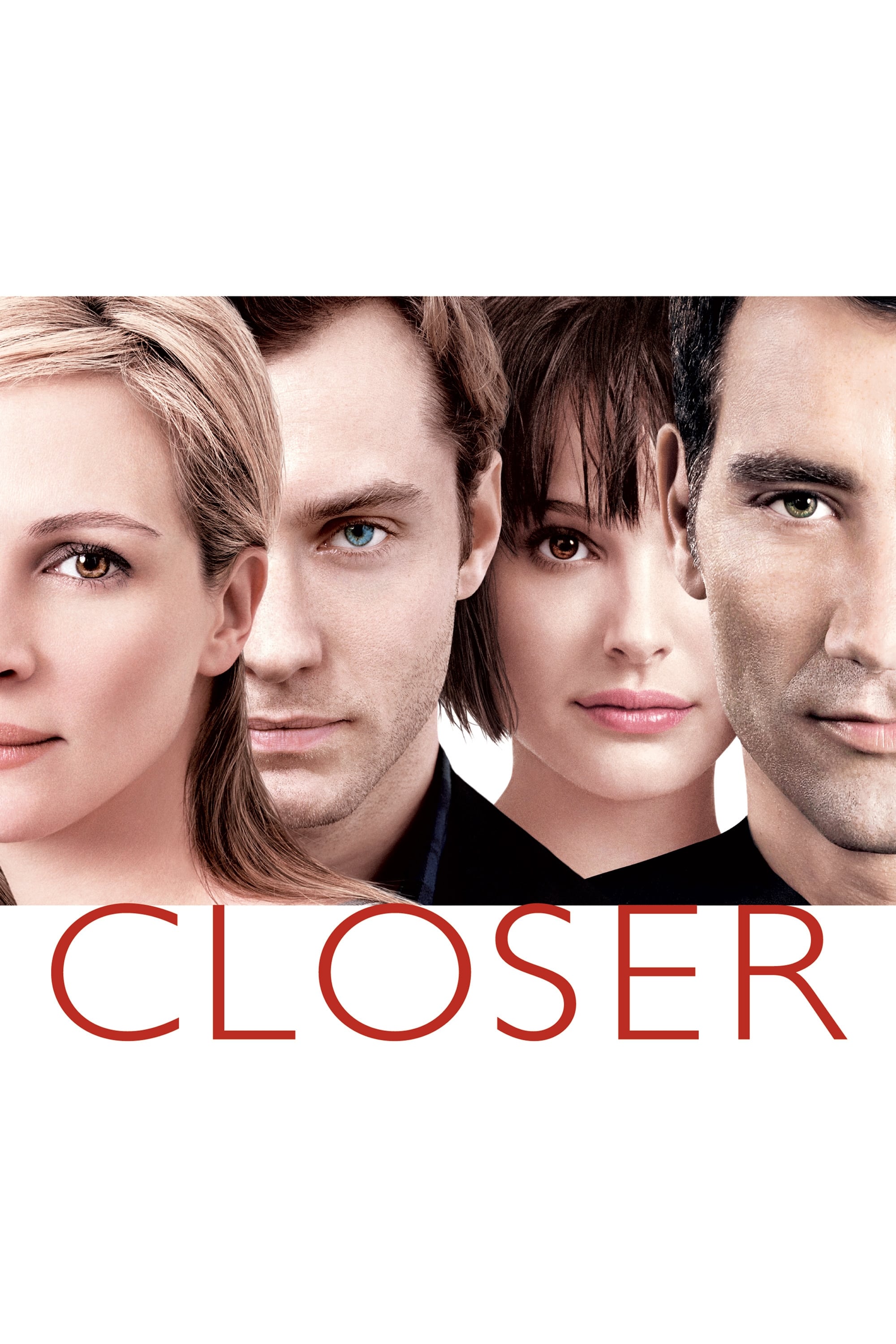
Adapted from Patrick Marber’s play, the film paired Portman with an ensemble under Mike Nichols’ direction. She played Alice, a role that demanded precise tonal shifts between seduction, sincerity, and self-protection. The performance earned her a nomination for a leading industry award in the supporting category. It showcased her facility with dialogue-driven, adult drama outside genre or franchise work.
‘Black Swan’ (2010) – the Oscar-winning transformation through rigorous preparation
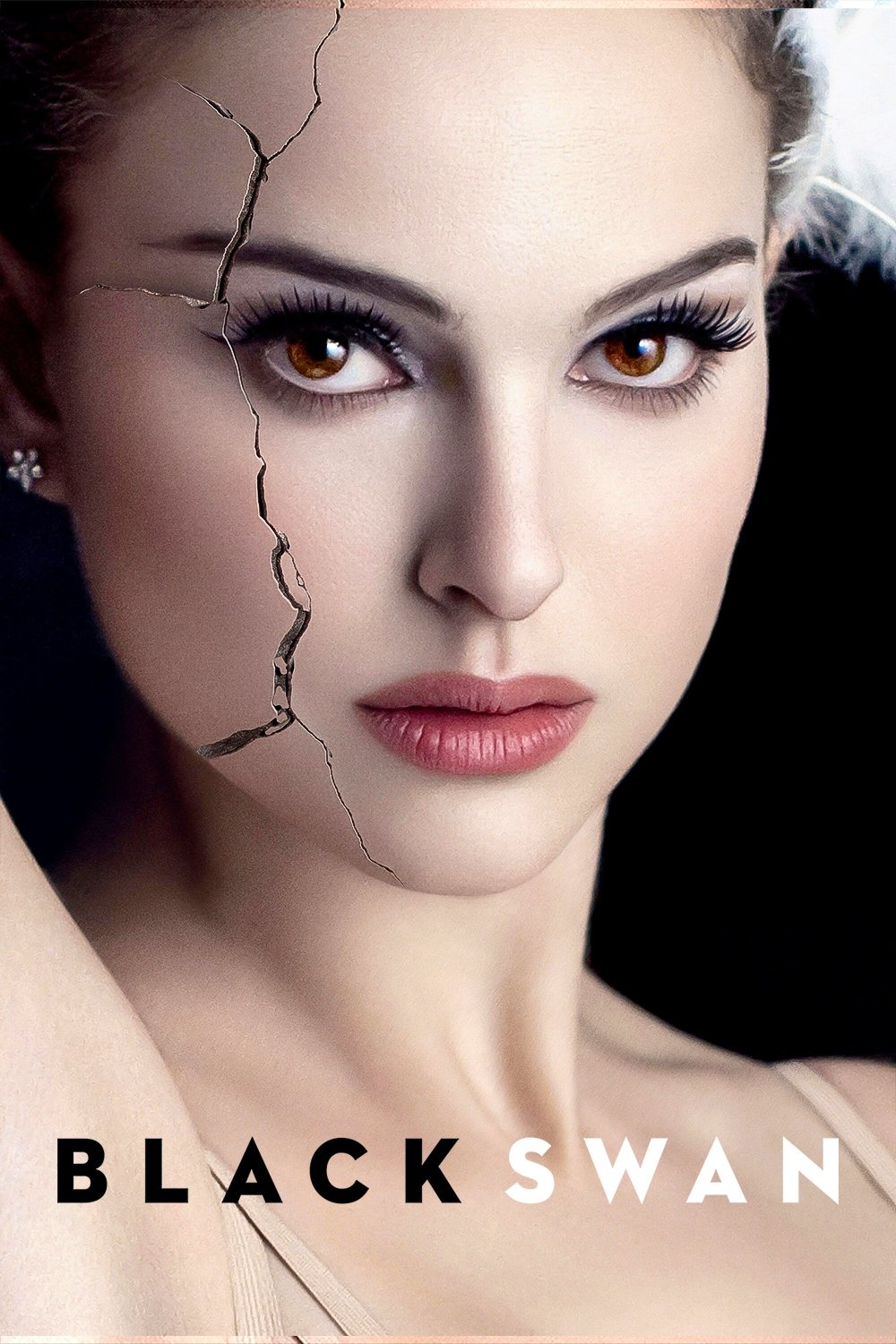
Under Darren Aronofsky, Portman trained extensively in ballet and physical conditioning to portray a dancer pushed to psychological extremes. She combined demanding choreography with tightly wound character work that blurs reality and hallucination. The role brought her widespread critical acclaim and top honors in major award circuits. It stands as a benchmark for full-bodied physical and psychological commitment to a part.
‘Jackie’ (2016) – embodying a First Lady in a meticulous character study
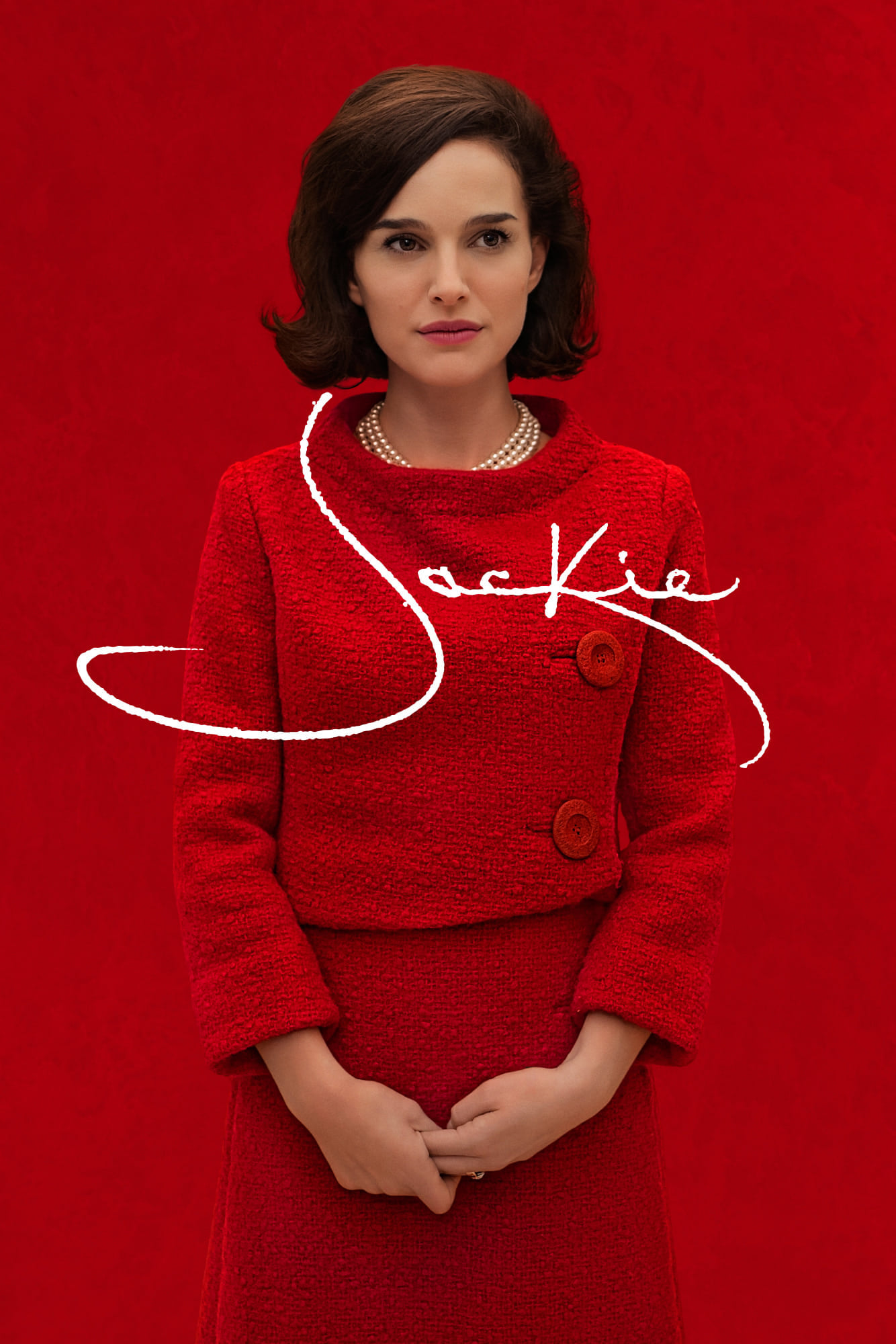
Directed by Pablo Larraín, the film zeroes in on Jacqueline Kennedy’s public composure and private grief. Portman’s work involved detailed dialect coaching, gesture study, and close attention to archival interviews. The performance earned her another nomination for a leading industry award in the best actress category. Its tight focus on a few days in history highlighted her precision with biographical nuance.
‘Annihilation’ (2018) – headlining ambitious, idea-driven science fiction
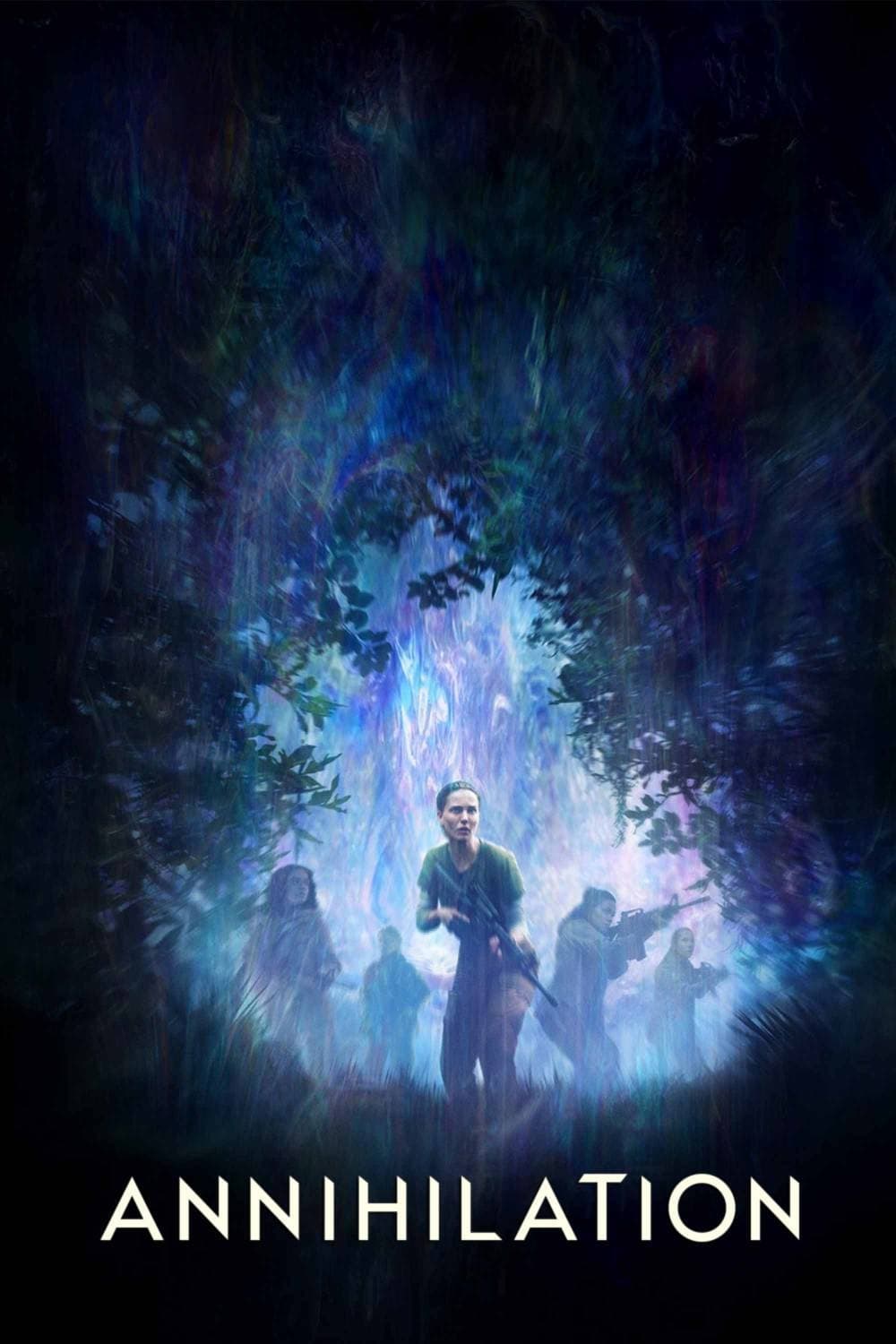
Portman led a predominantly female ensemble in Alex Garland’s adaptation of Jeff VanderMeer’s novel. The production balanced practical effects, VFX, and unsettling sound design to depict a mysterious environmental zone. Her character’s scientific background drives the story’s inquiry-first approach, rather than traditional action beats. The film’s release strategy included a theatrical run in some regions and a streaming debut in others, expanding its global reach.
‘Thor’ (2011) – introducing Jane Foster to the MCU, with a myth-meets-science dynamic

As Jane Foster, Portman grounded cosmic storytelling with an astrophysicist’s point of view. The role required blending comedic timing, romantic beats, and stakes tied to interdimensional peril. She returned to the franchise in ‘Thor: Love and Thunder’ with an evolved arc that placed her at the center of the action. Across appearances, collaboration with effects and stunt departments underscored the series’ large-scale production demands.
‘A Tale of Love and Darkness’ (2015) – writing, directing, and starring in a Hebrew-language feature
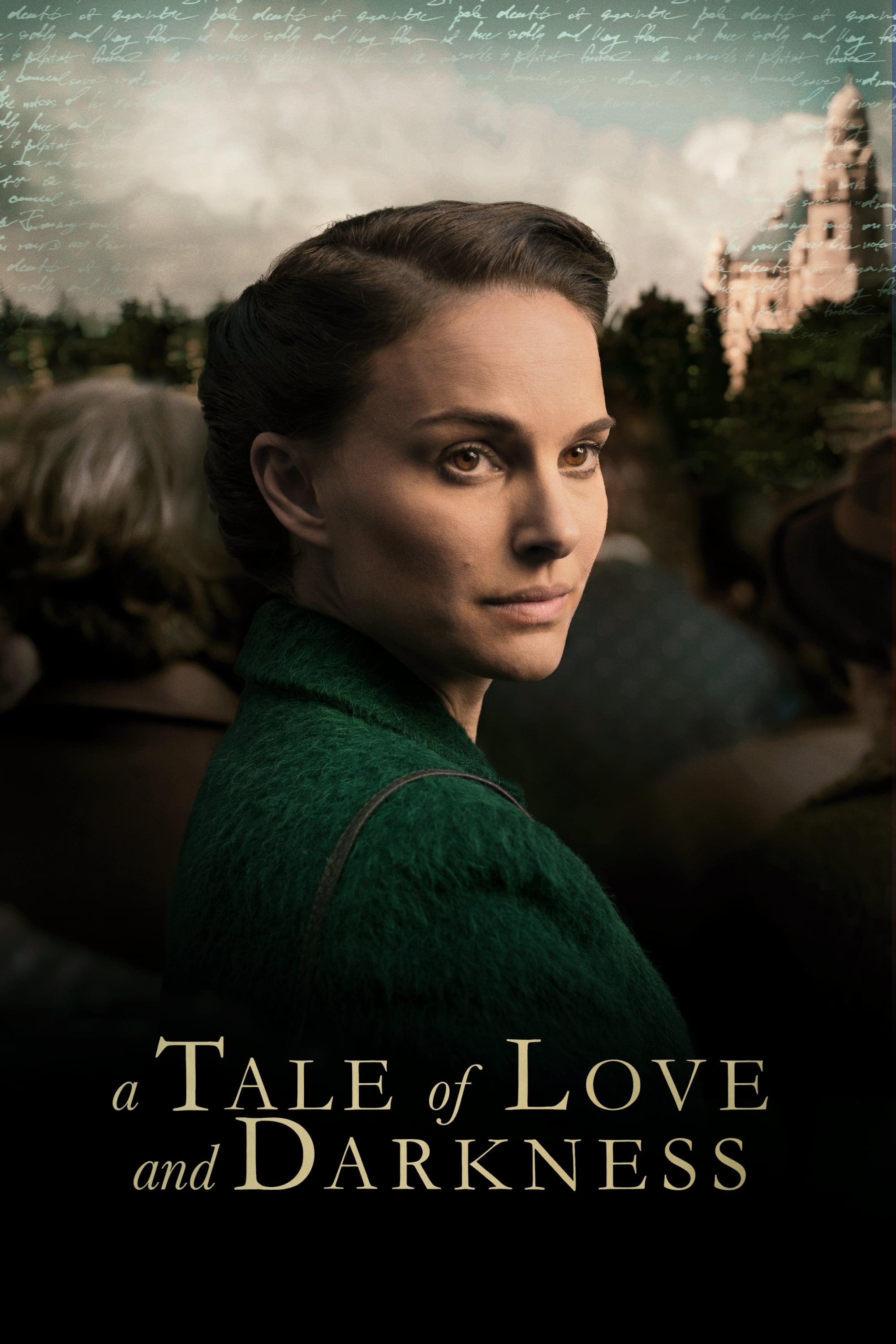
Portman adapted Amos Oz’s memoir, crafting the screenplay and directing on location in Jerusalem. She performed in Hebrew, reflecting the project’s cultural and linguistic specificity. The film’s intimate scale contrasted with her franchise work, highlighting range behind the camera. It marked a significant expansion of her role in filmmaking beyond acting and producing.
Harvard-trained, multilingual, and active behind the scenes

Beyond acting, Portman earned a psychology degree from Harvard University, reflecting a sustained academic focus. She speaks multiple languages at varying levels, which has supported projects like her Hebrew-language work. Through her production banner, she has developed stories and roles with an eye toward creative control. This combination of education, languages, and producing has shaped the kinds of collaborations and projects she pursues.
Got another favorite Portman performance or project I missed? Share your pick in the comments!