Worst Action Movies of All Time

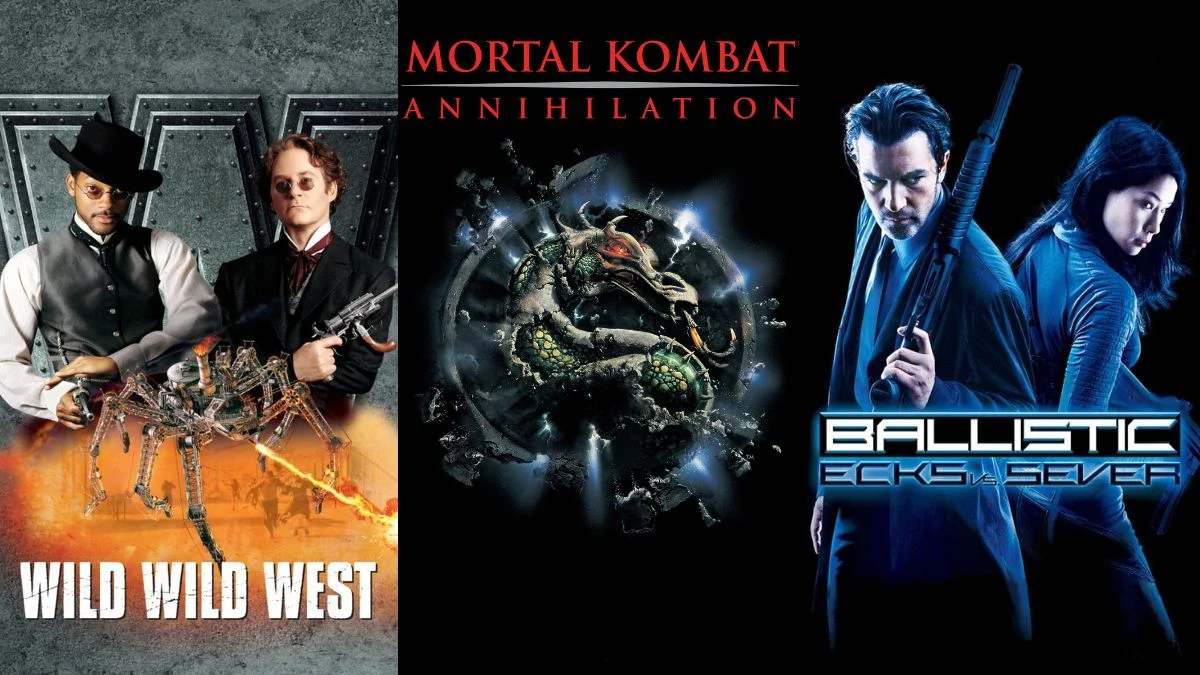

Not every big chase or explosive set piece lands the way studios hope, and some action releases have become cautionary tales for how things can go wrong. The titles below span superhero misfires, failed franchise starters, and lavish spectacles that struggled to connect with audiences. Each entry notes who made it, what it is based on, and the key production or release details that shaped its reputation. Use this as a quick reference to the biggest swings that missed in the action aisle.
‘Battlefield Earth’ (2000)
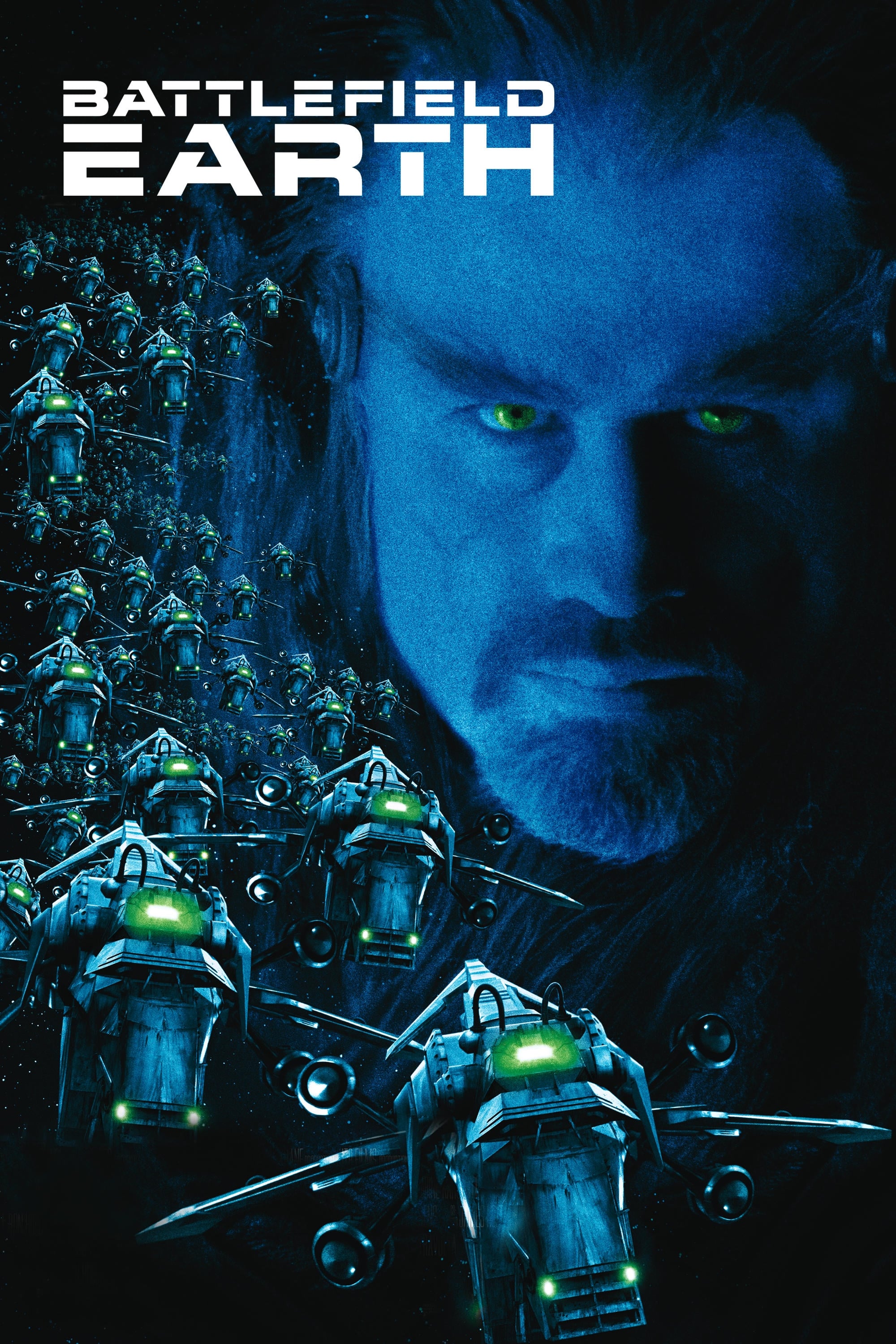
This science fiction action film adapts L. Ron Hubbard’s novel and stars John Travolta and Barry Pepper. Roger Christian directed, and the production used heavy Dutch angles and extensive prosthetics for the alien Psychlos. The story follows human resistance on a ruined Earth controlled by an occupying force. The film drew multiple Razzie Awards and stalled plans for a sequel.
‘Catwoman’ (2004)
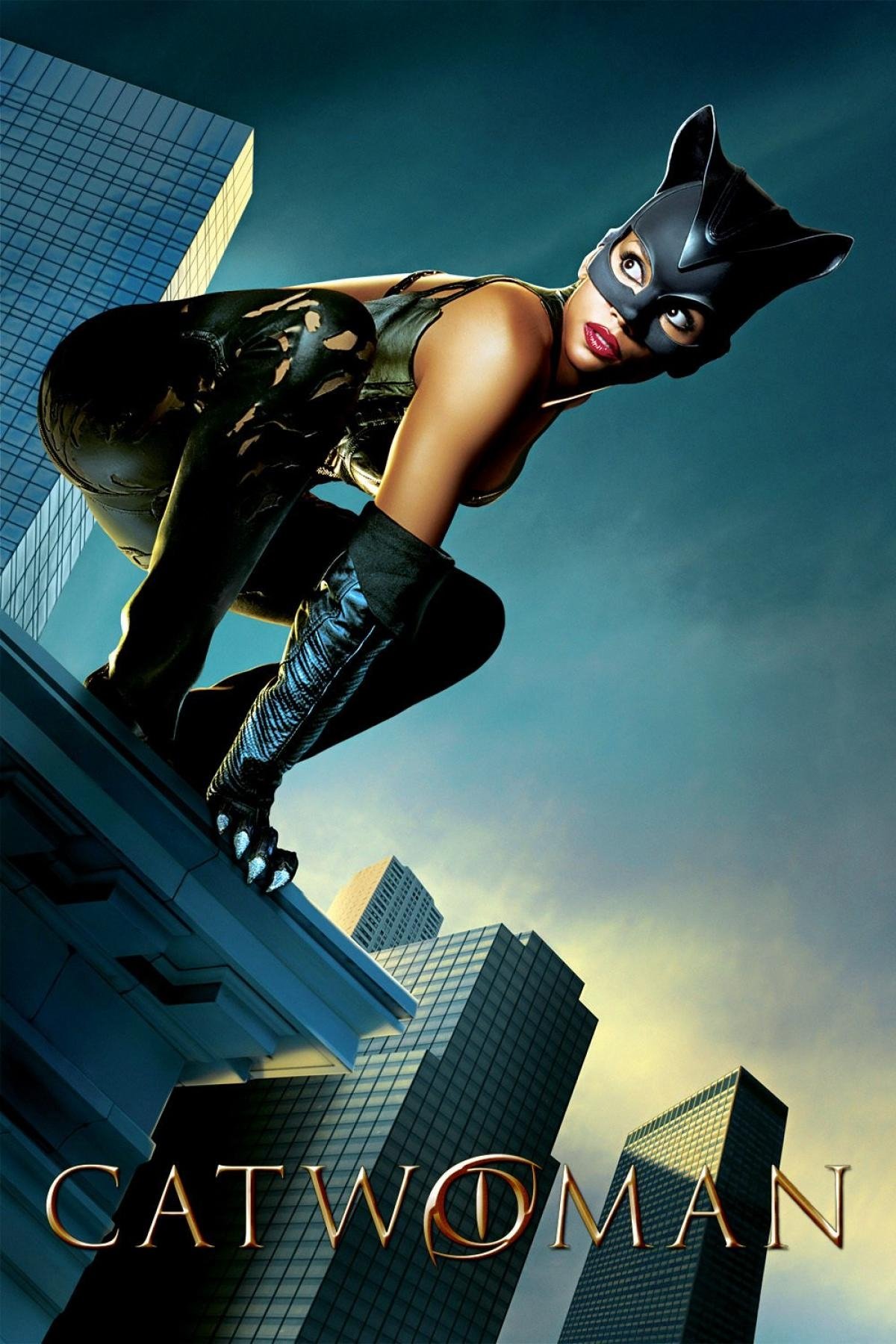
Halle Berry leads this DC Comics spinoff directed by Pitof. The movie departs from the Selina Kyle version and introduces Patience Phillips with a standalone origin. Visual effects and wire work drive the action sequences across stylized cityscapes. It earned several Razzie Awards and ended development of follow up installments.
‘Batman & Robin’ (1997)
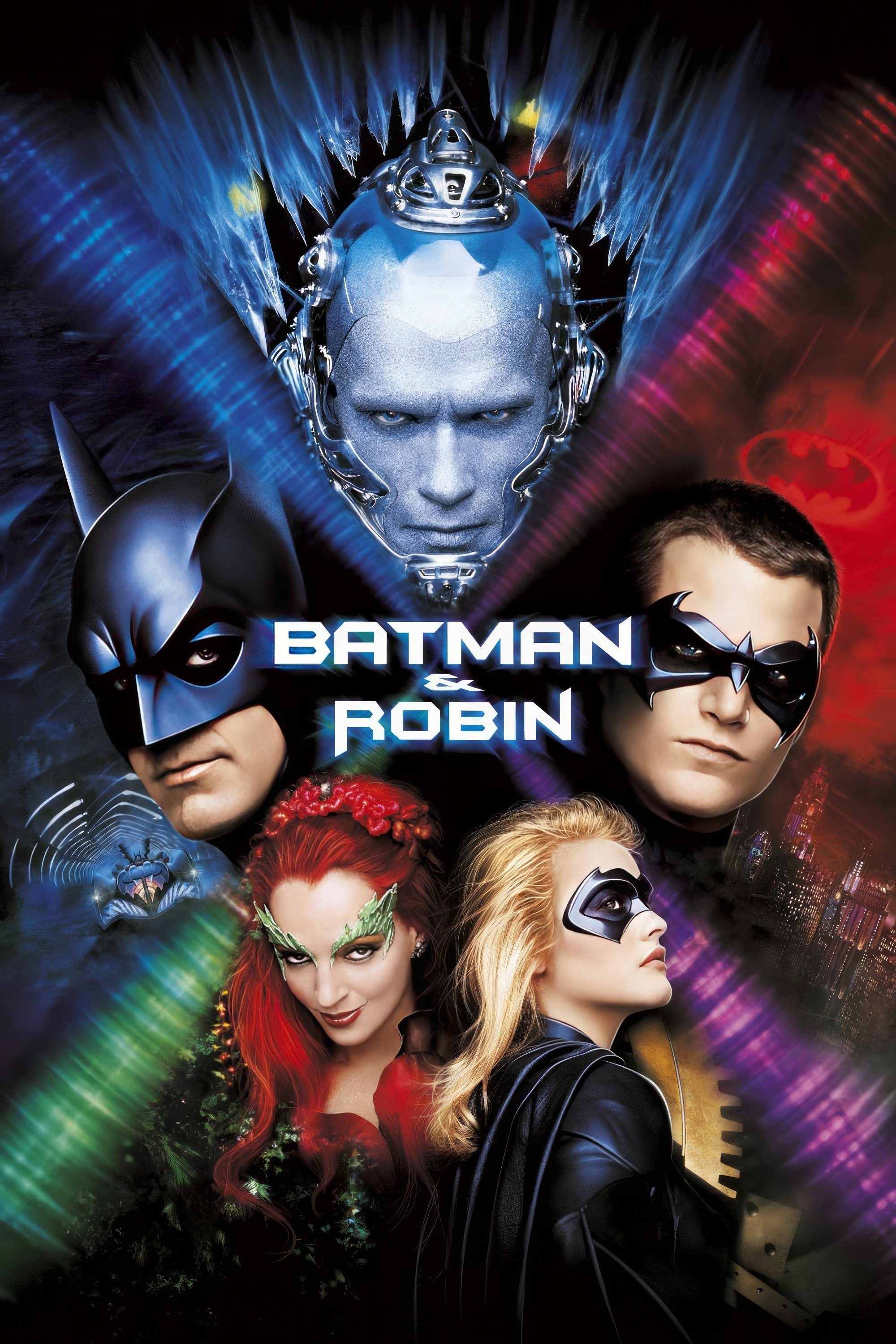
Joel Schumacher directed this fourth entry in the original Batman cycle with George Clooney as Bruce Wayne. The production emphasized bright neon sets, elaborate costumes, and gadget focused set pieces. Arnold Schwarzenegger and Uma Thurman play the principal villains with an ensemble approach. The response prompted Warner Bros to shelve a planned continuation and reboot the franchise years later.
‘Ballistic: Ecks vs. Sever’ (2002)
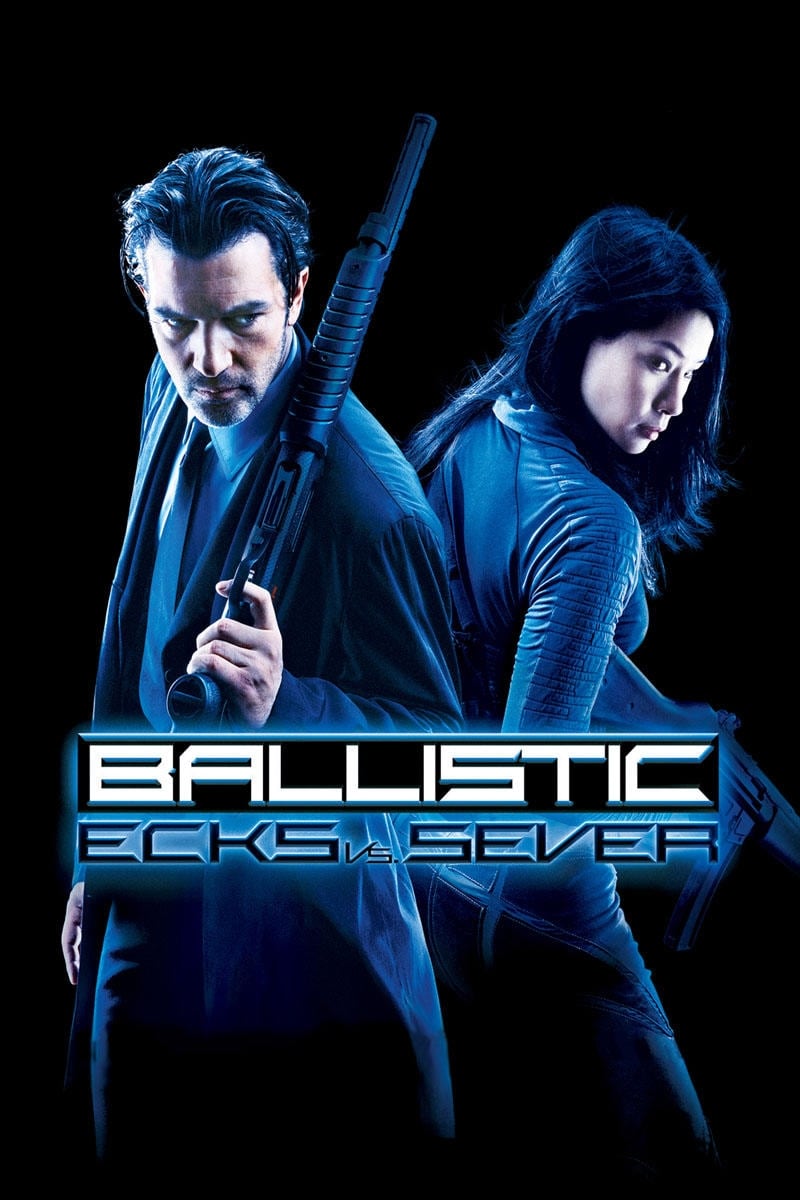
This action thriller stars Antonio Banderas and Lucy Liu as rival operatives. The plot centers on a stolen micro device and a government conspiracy in Vancouver and Bangkok stand ins. Director Wych Kaosayananda staged extensive gun battles and practical explosions. The film became known for extremely poor critical scores and ended any talk of a series.
‘Mortal Kombat: Annihilation’ (1997)
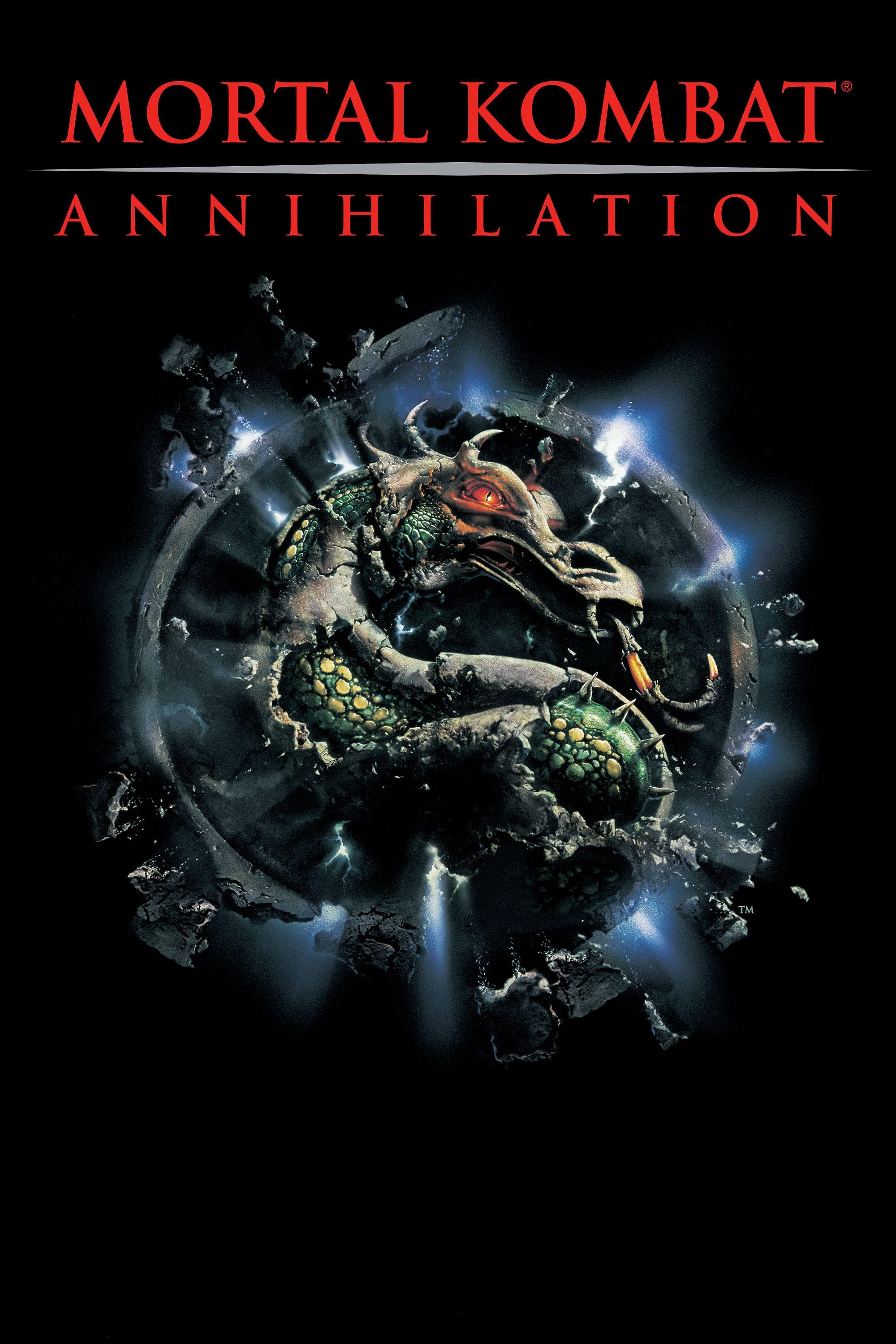
The sequel adapts characters and arenas from the hit fighting games and picks up immediately after the first film. James Remar and other new actors replaced several original cast members due to scheduling and contract changes. The production leaned on quick turnarounds and early digital effects for creature work. Fans criticized continuity gaps and the film halted momentum for a third entry at the time.
‘Street Fighter’ (1994)
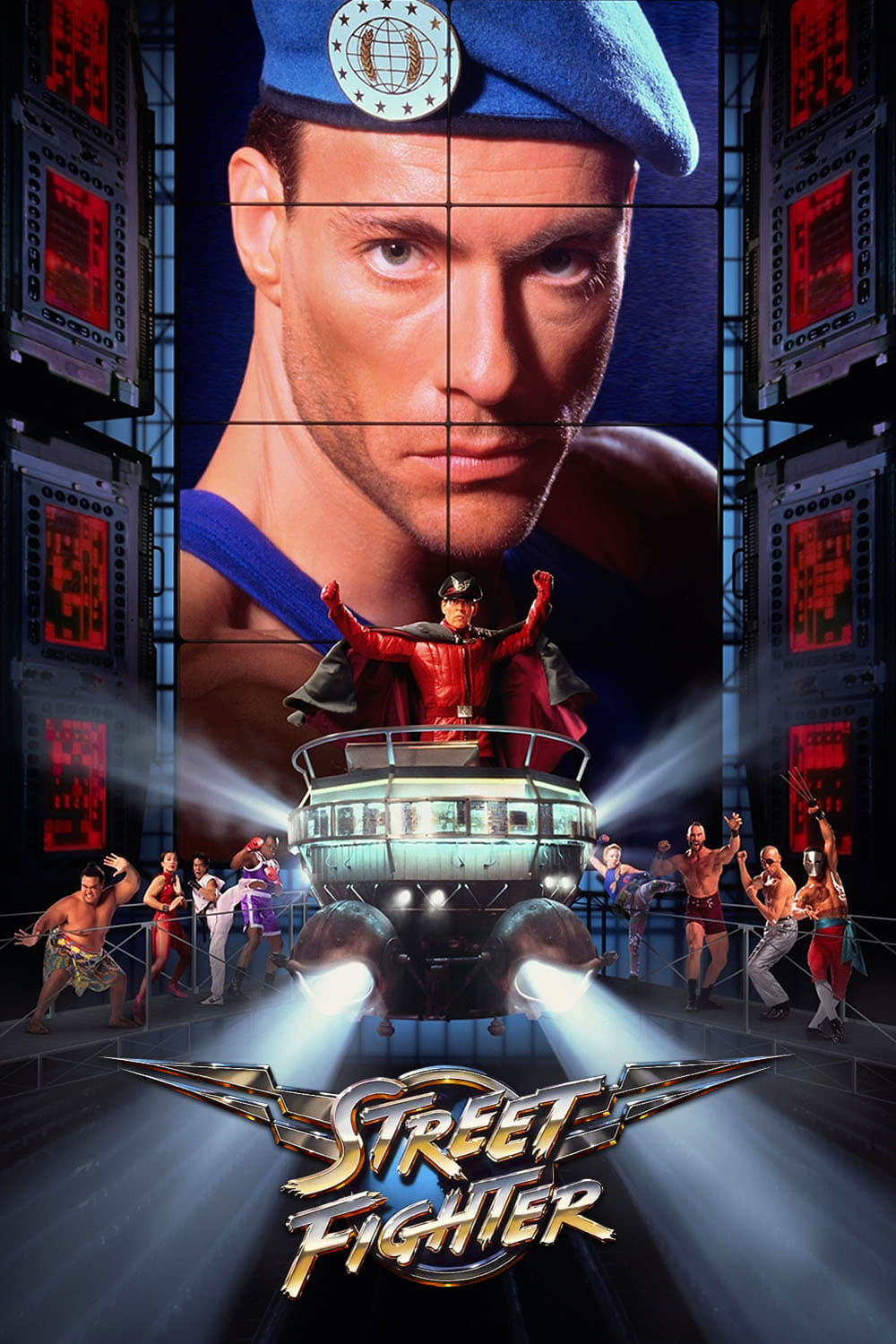
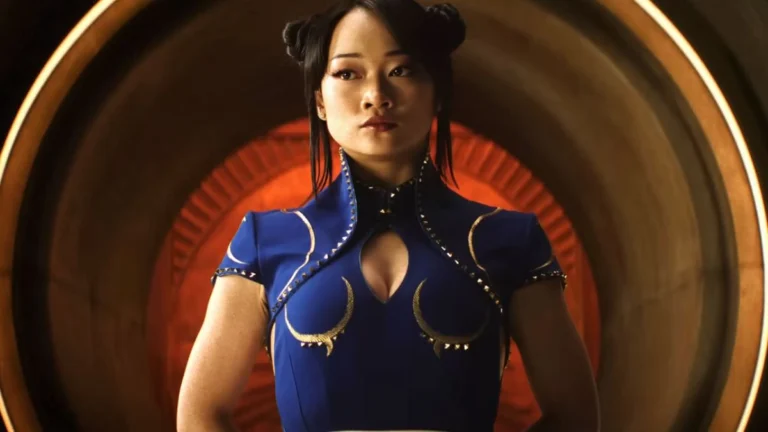
Jean Claude Van Damme and Raul Julia headline this Capcom adaptation set in the fictional nation of Shadaloo. Director Steven E. de Souza balanced ensemble character introductions with military style action. The movie was shot largely in Thailand and Australia with a tight schedule. The release performed modestly but drew criticism for tone and fight choreography.
‘Wild Wild West’ (1999)
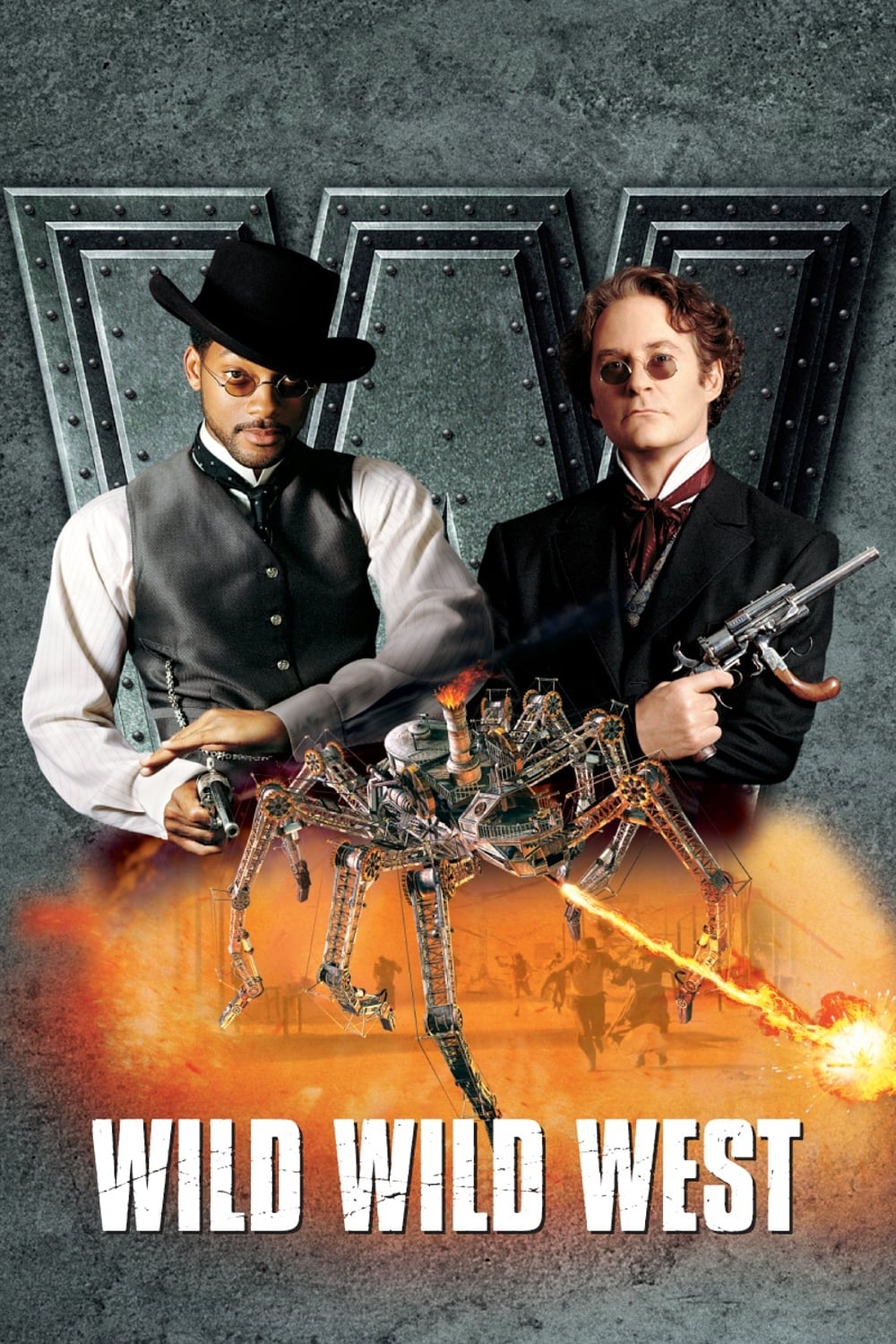
Will Smith and Kevin Kline star in this steampunk western based on the 1960s TV series. Barry Sonnenfeld directed with large scale mechanical effects including the giant spider set piece. The production combined location photography with elaborate soundstage builds. It won several Razzie Awards and ended plans for a sequel.
‘The Legend of Hercules’ (2014)
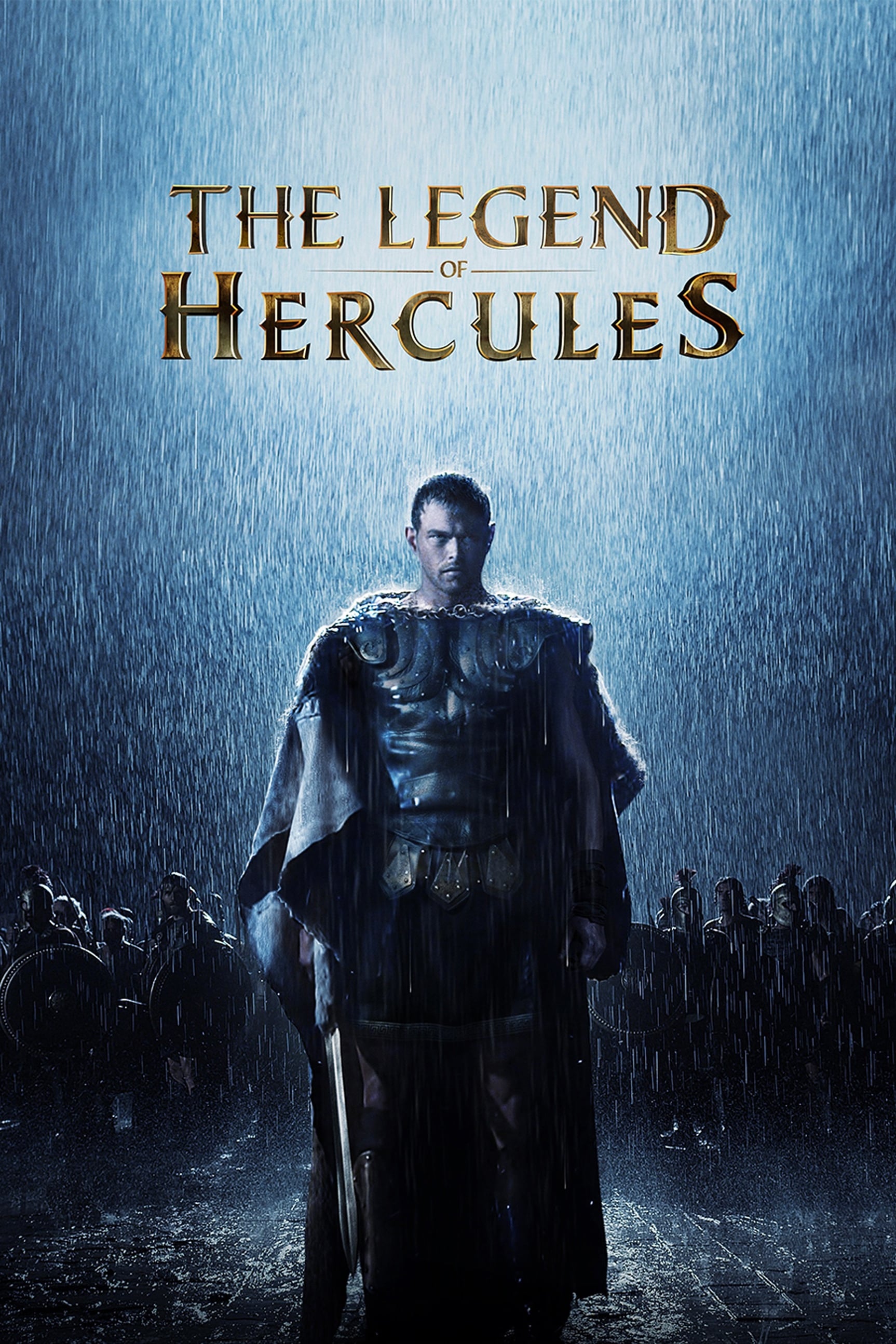
Kellan Lutz plays the mythical hero in this origins focused sword and sandal tale. Renny Harlin directed with heavy use of slow motion battles and green screen environments. The film arrived the same year as a rival Hercules project which split audience attention. Weak domestic turnout curtailed international expansion and franchise hopes.
‘Gods of Egypt’ (2016)
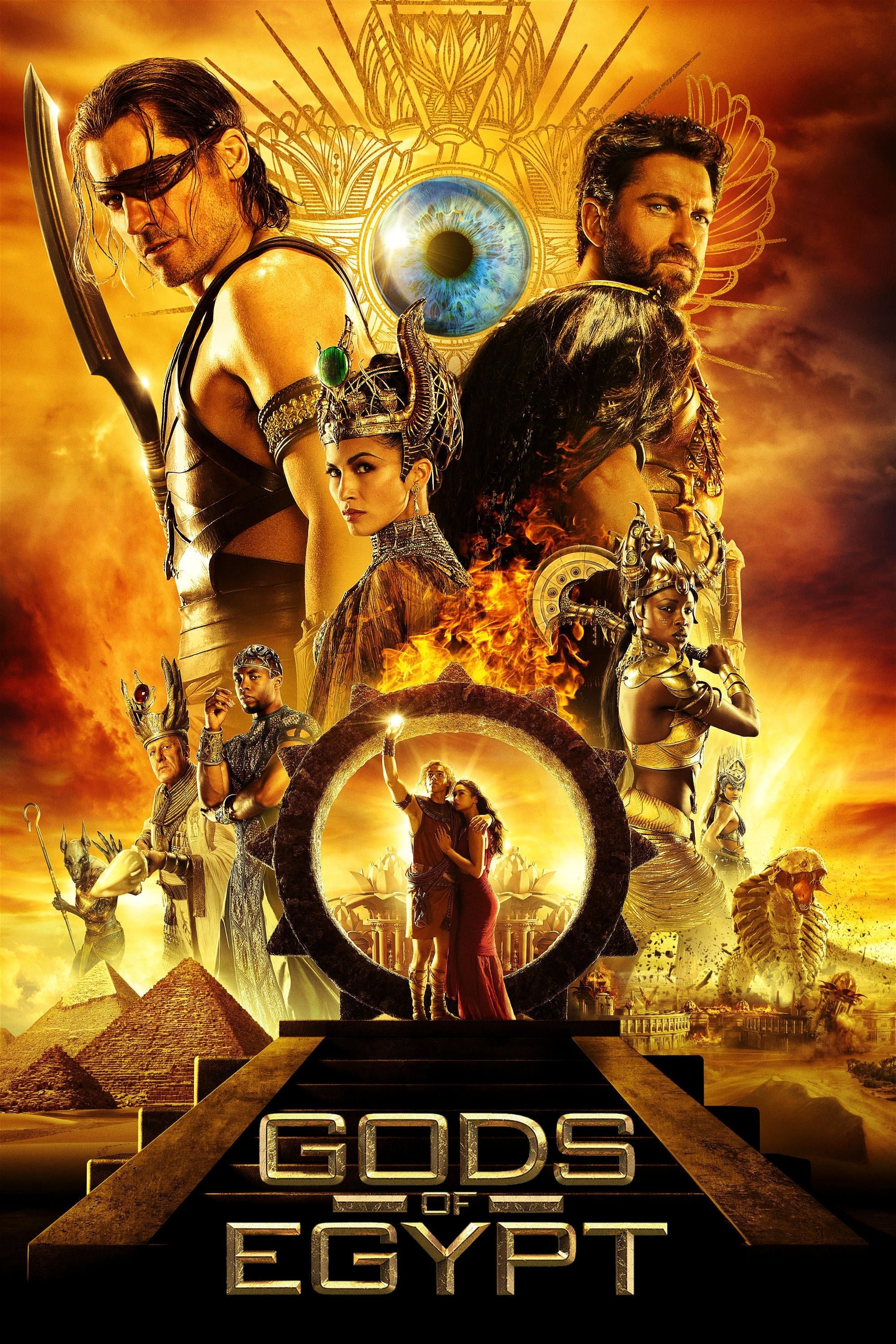
This fantasy action adventure features Nikolaj Coster Waldau and Brenton Thwaites with Alex Proyas directing. The story follows a mortal thief who teams with the god Horus to stop Set, using extensive CGI for creature transformations. Casting sparked a public discussion that led to an apology from the studio before release. Box office returns in North America were low relative to production costs.
‘Dragonball Evolution’ (2009)
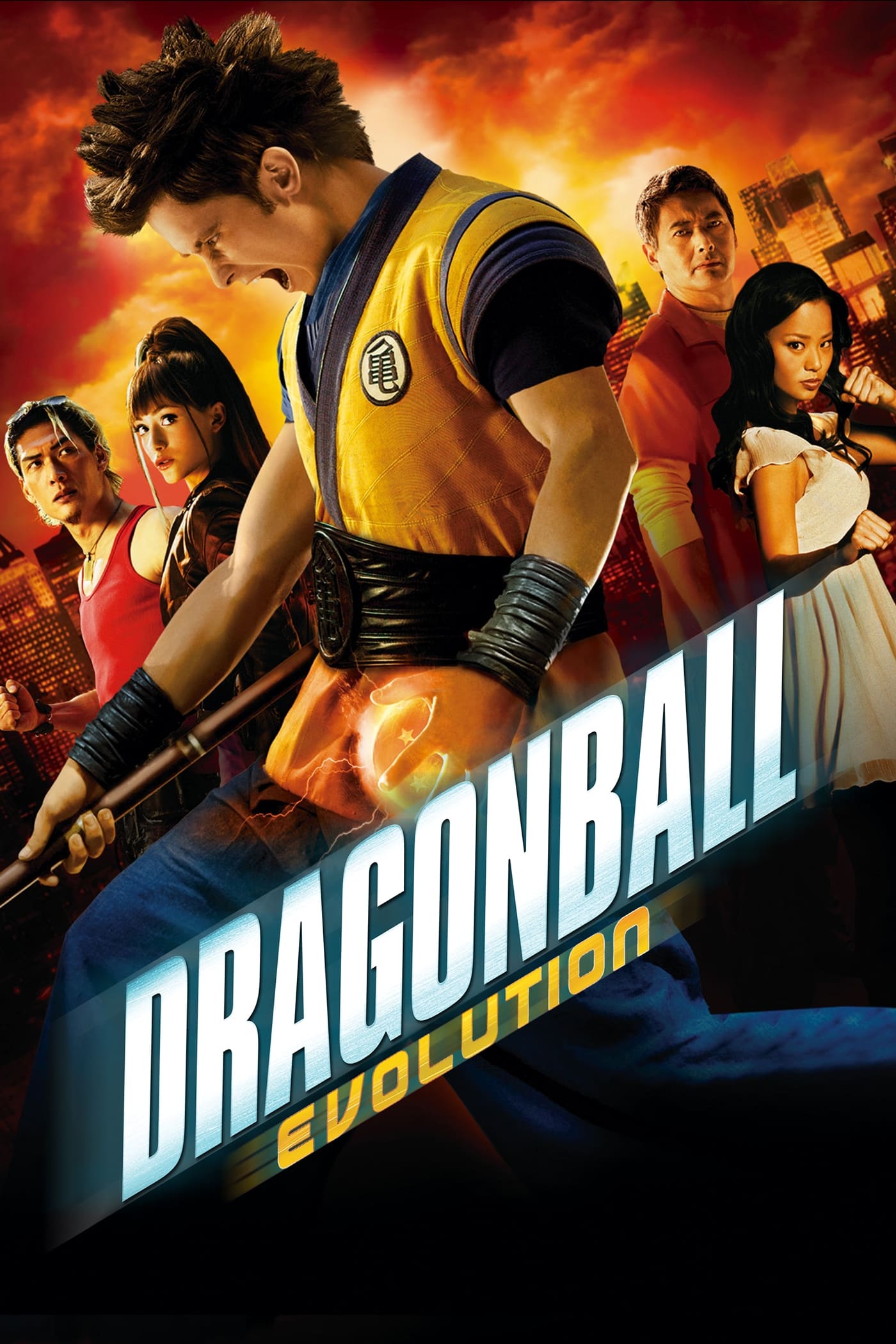
This live action version of the popular manga and anime stars Justin Chatwin and Emmy Rossum. James Wong directed, relocating the story to a contemporary American setting with high school elements. The film compresses multiple arcs into a brief runtime with wire assisted fights. Negative fan reception halted any planned continuation.
‘The Spirit’ (2008)
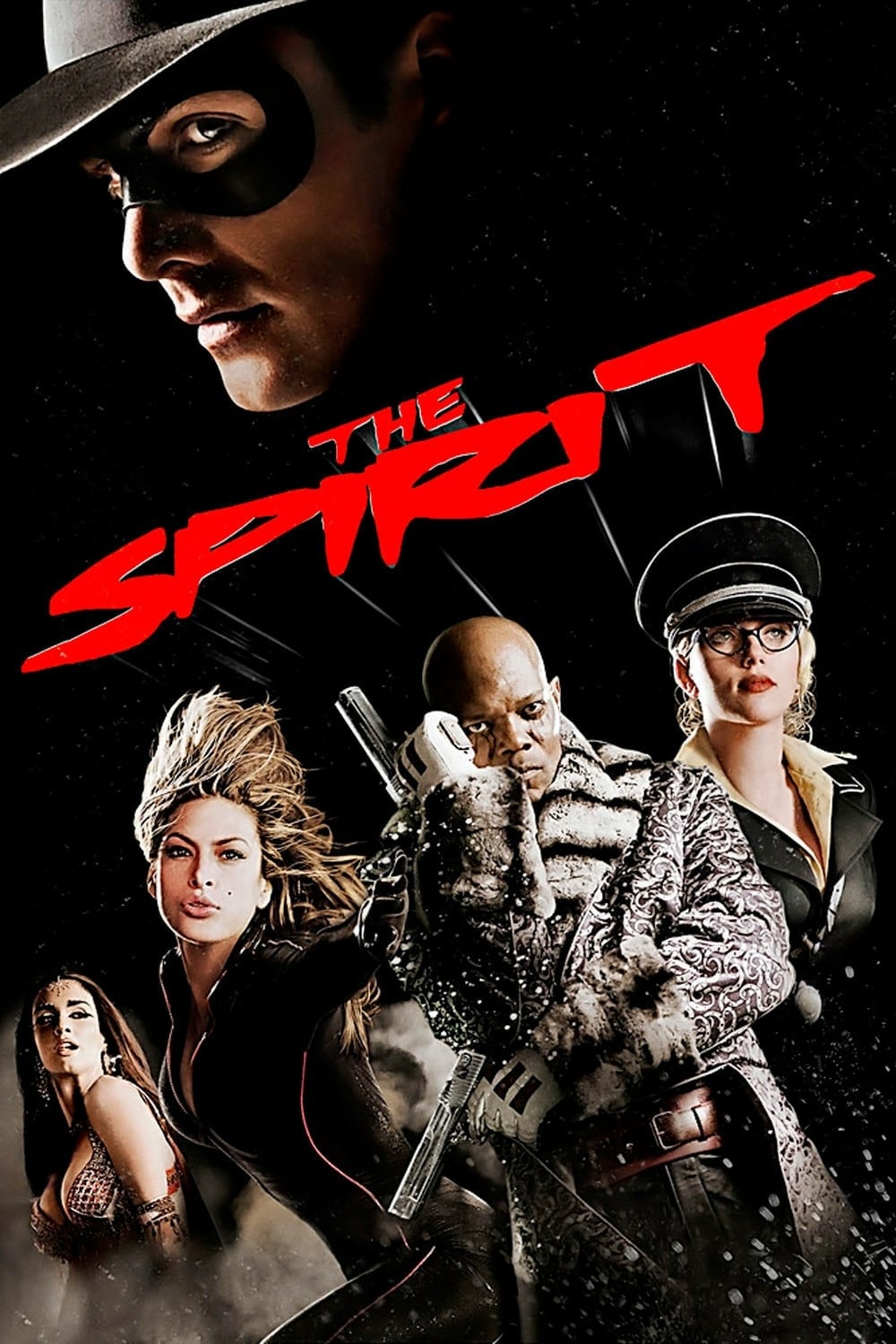
Frank Miller adapted Will Eisner’s comic with a stylized digital backlot approach similar to ‘Sin City’. Gabriel Macht plays the masked vigilante alongside Samuel L. Jackson and Scarlett Johansson. The production emphasized graphic novel framing and monochrome palettes with color accents. The release underperformed and ended further development around the property.
‘Ultraviolet’ (2006)
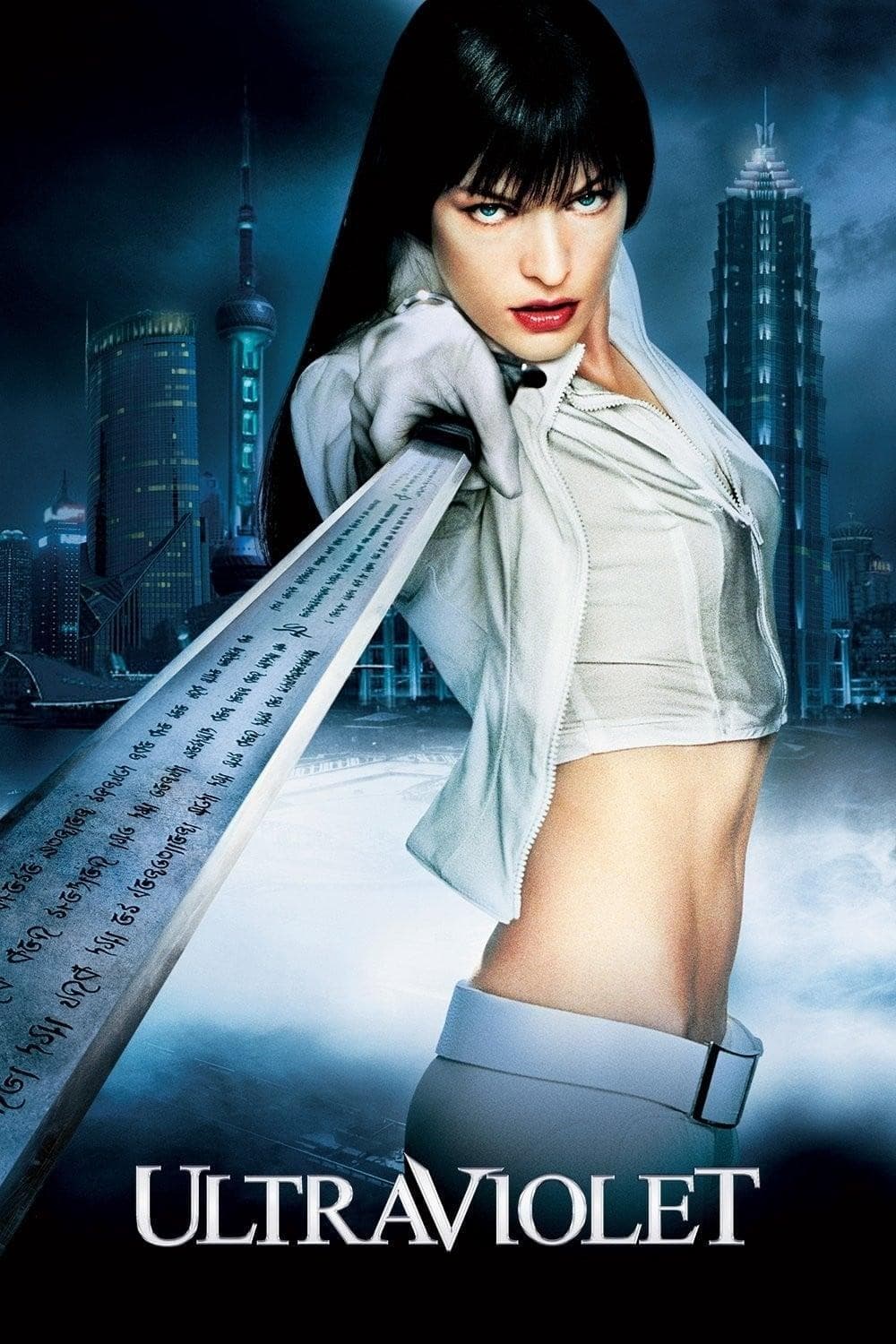
Milla Jovovich stars in this sci fi action film about a bio engineered courier protecting a child. Kurt Wimmer directed with heavy reliance on early high definition digital cinematography. Reports of significant cuts produced a shorter theatrical version that altered narrative flow. Reviews cited confusing editing and the film saw a quick theatrical run.
‘Max Steel’ (2016)
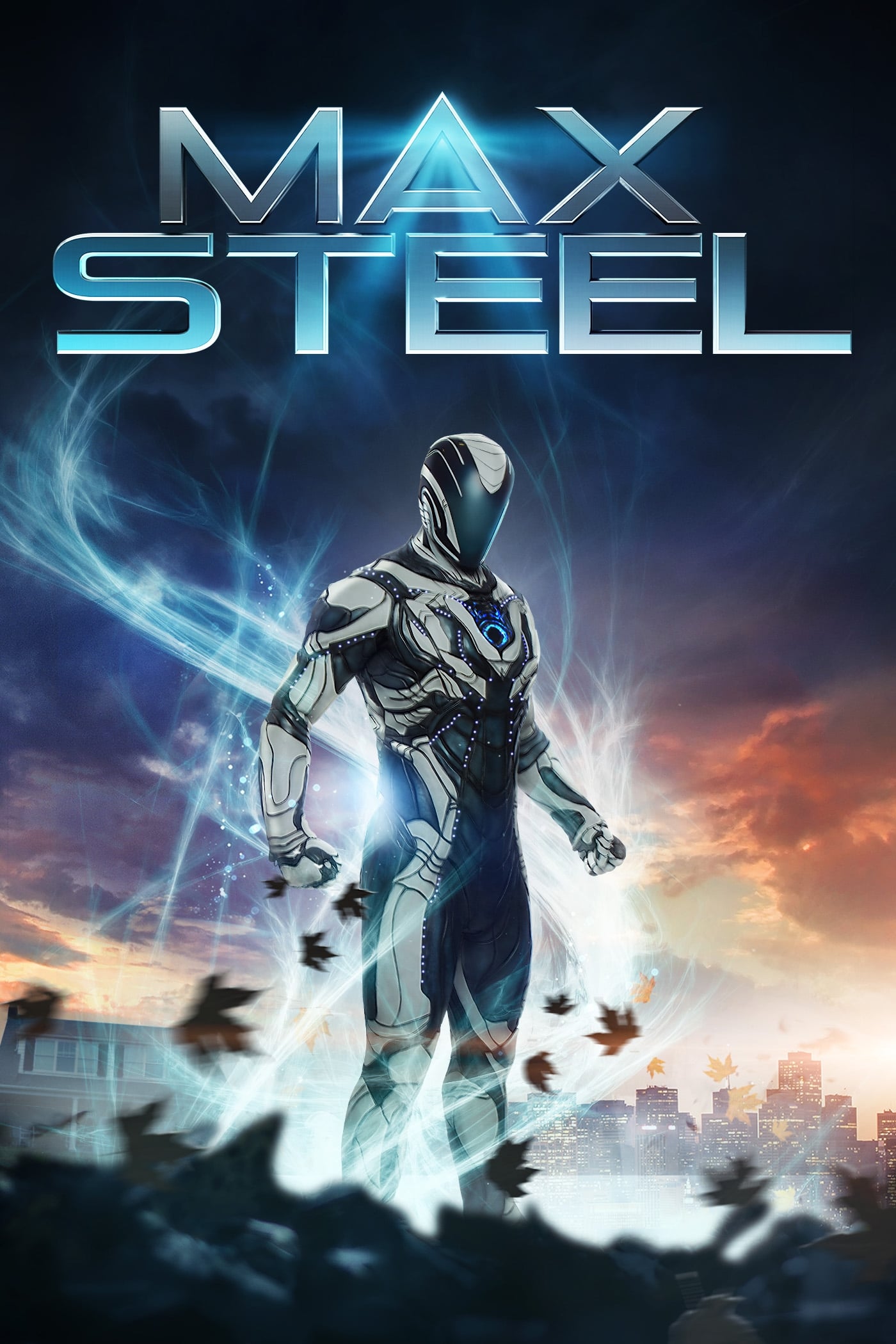
Based on the Mattel toy line, this origin story pairs a teenager with an alien energy companion. Stewart Hendler directed with a focus on small town settings and suit based action. The production targeted a younger audience and arrived with minimal marketing support. The film posted a very limited opening and quickly moved to home release windows.
‘The Avengers’ (1998)
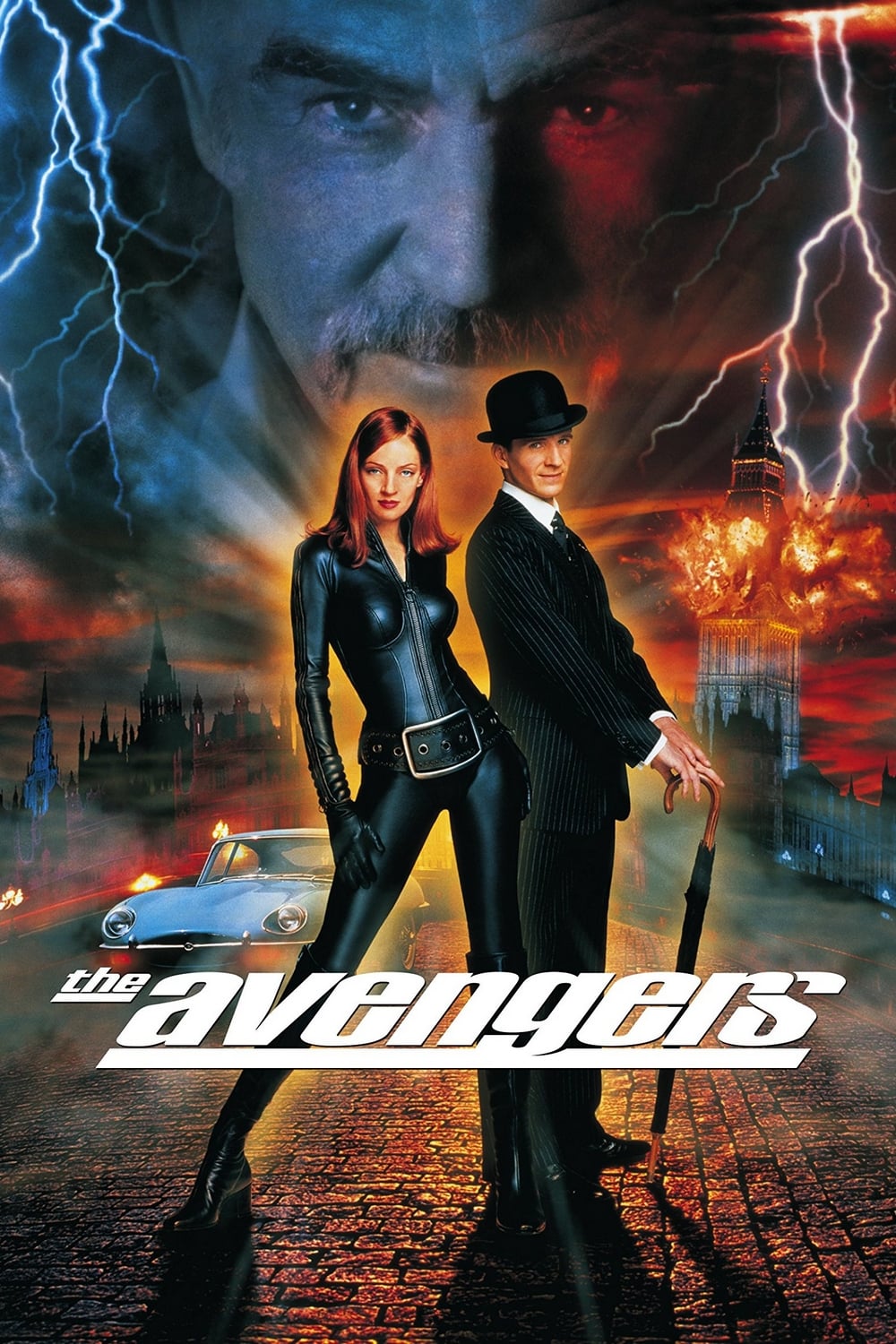
This spy action remake of the British television series stars Ralph Fiennes and Uma Thurman. Jeremiah Chechik directed, and the studio mandated significant edits after test screenings. Intricate sets and whimsical gadgets mirror the tone of the original show. The final cut struggled to find an audience and plans for sequels were dropped.
‘In the Name of the King: A Dungeon Siege Tale’ (2007)
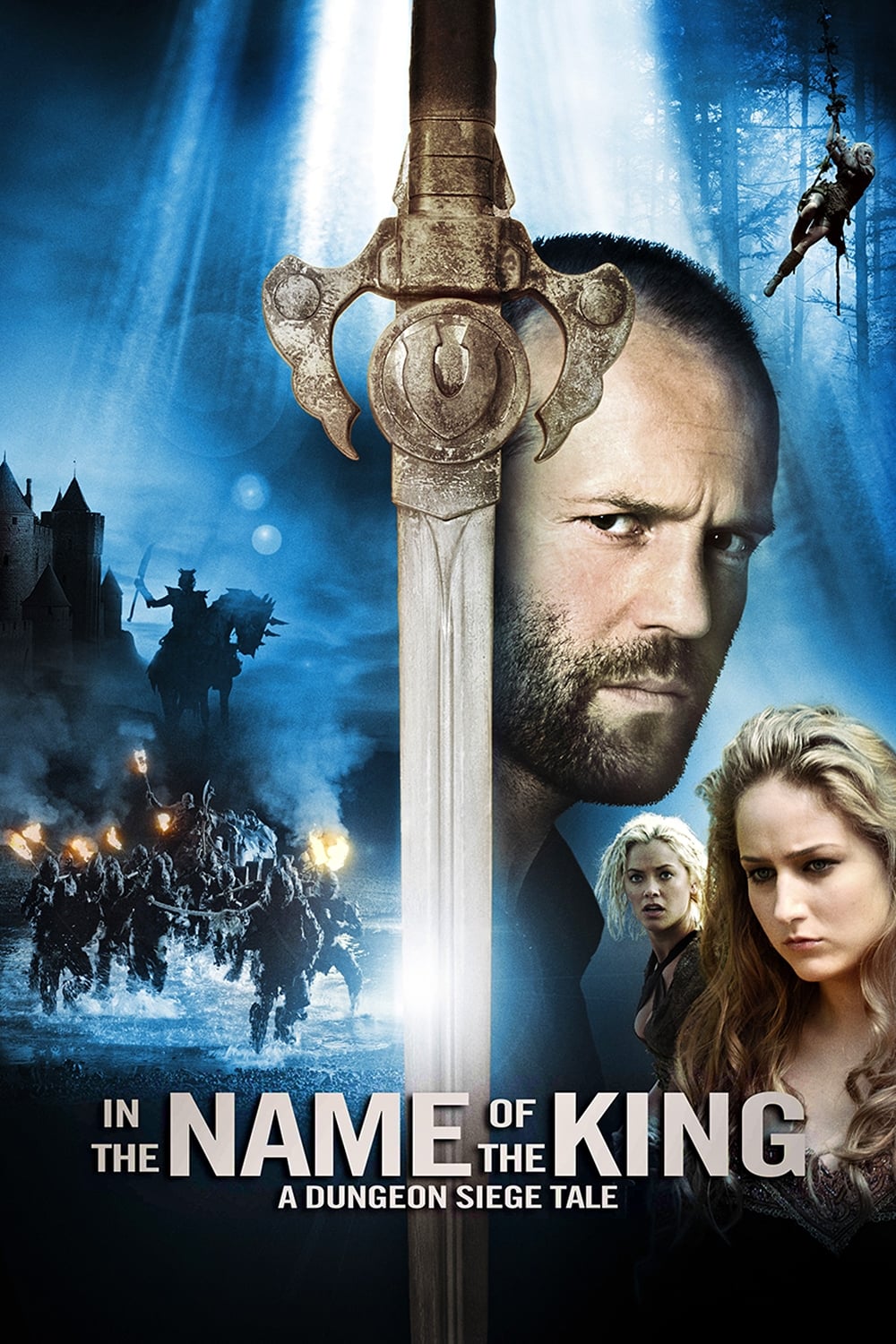
Uwe Boll directed this adaptation of the action role playing game with Jason Statham leading an ensemble. The production filmed in Canada with expansive forest battles and creature effects. Multiple cuts exist including a longer television version. Weak reception curtailed theatrical momentum although later sequels went direct to video.
‘Speed 2: Cruise Control’ (1997)
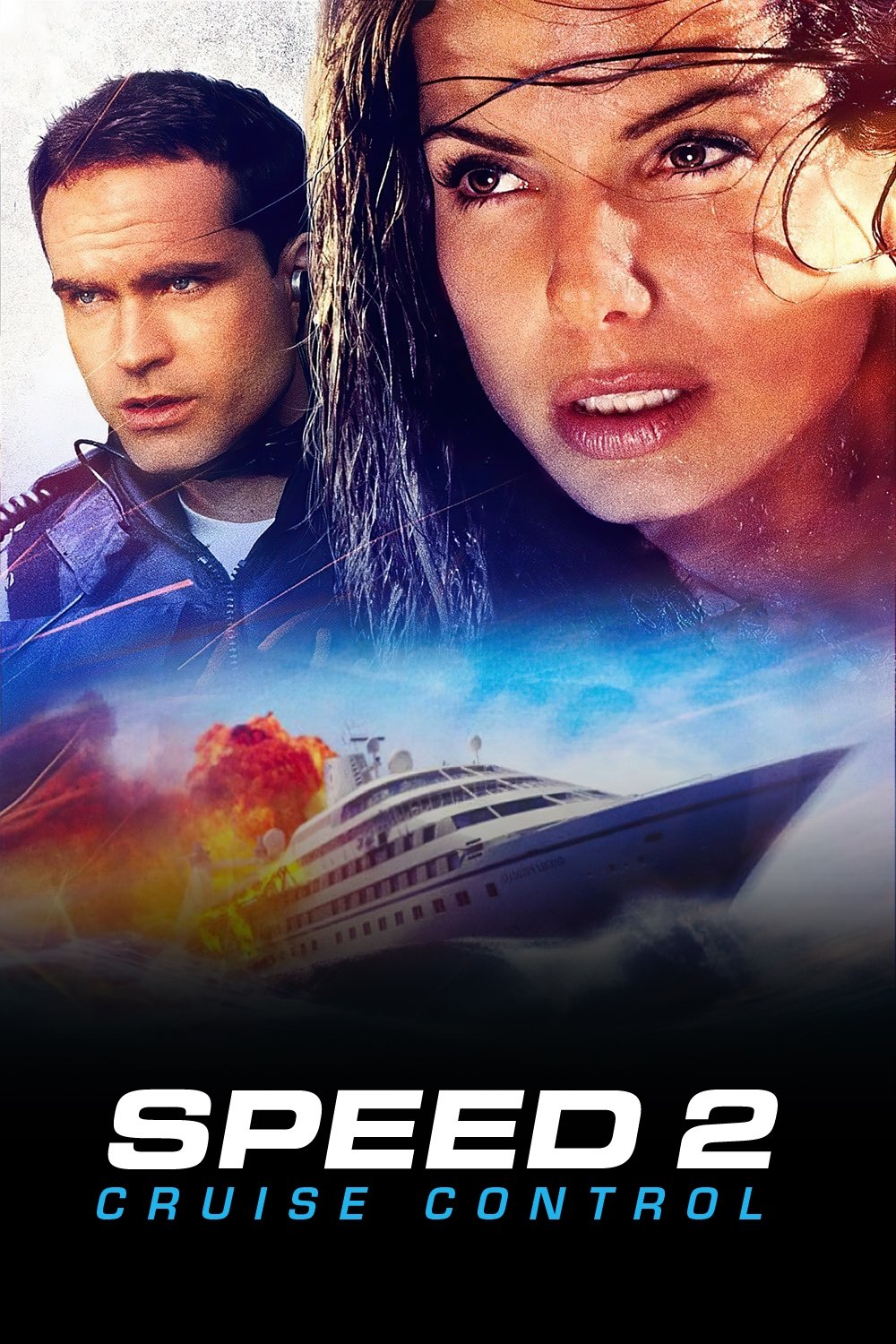
Sandra Bullock returned for this follow up set aboard a luxury ship with Jason Patric joining the cast. Director Jan de Bont shifted from freeway stunts to maritime sequences and large scale model work. Keanu Reeves declined to return, changing the dynamic from the original pairing. The film’s high costs were not recovered by its domestic run.
‘A Good Day to Die Hard’ (2013)
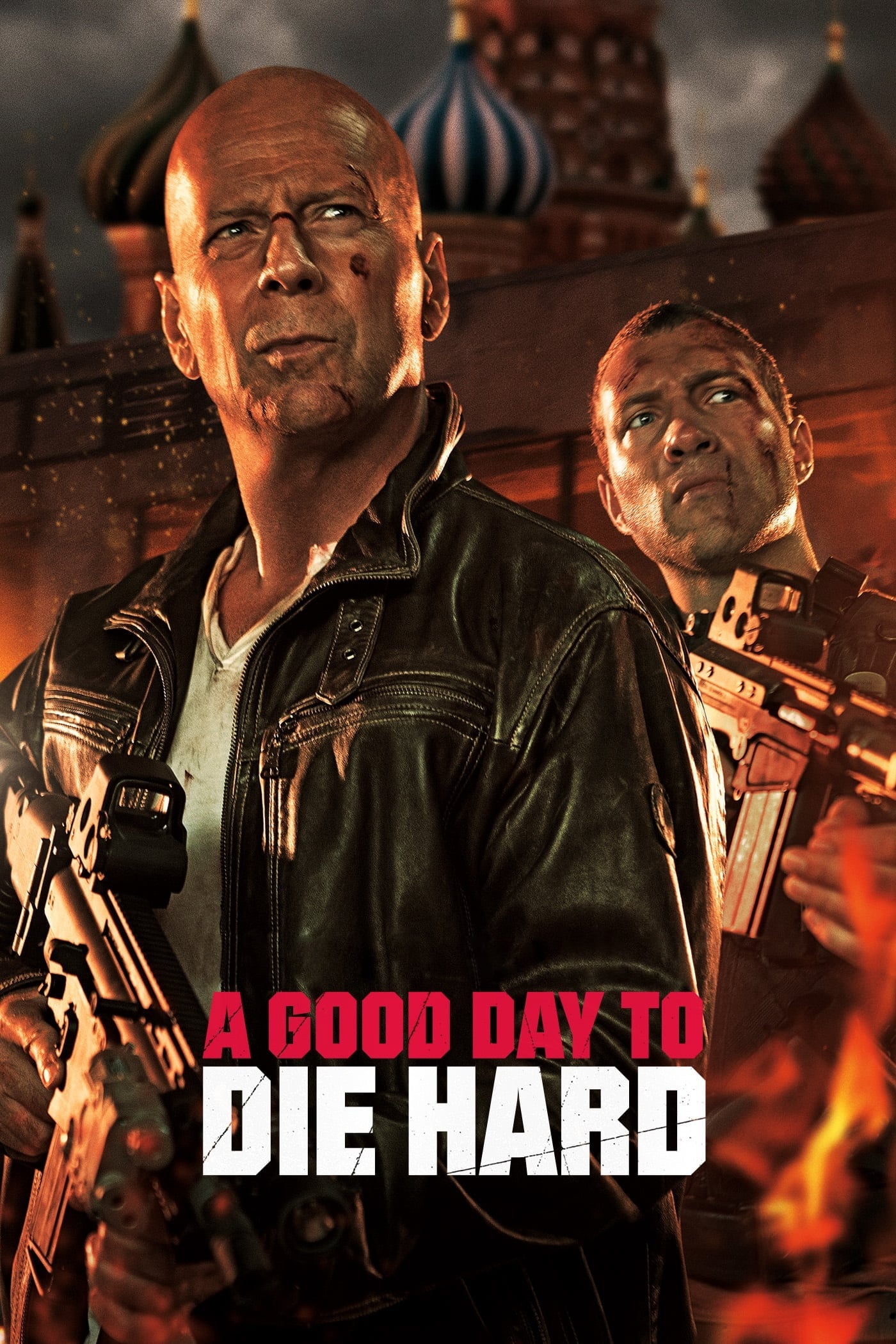
Bruce Willis reprises John McClane in a Moscow set mission that brings in his son played by Jai Courtney. John Moore directed with car chases shot across Eastern European locations. The script reset the series toward a globe trotting spy angle rather than a contained siege. Audience fatigue and mixed word of mouth ended plans for a quick follow up.
‘Cutthroat Island’ (1995)
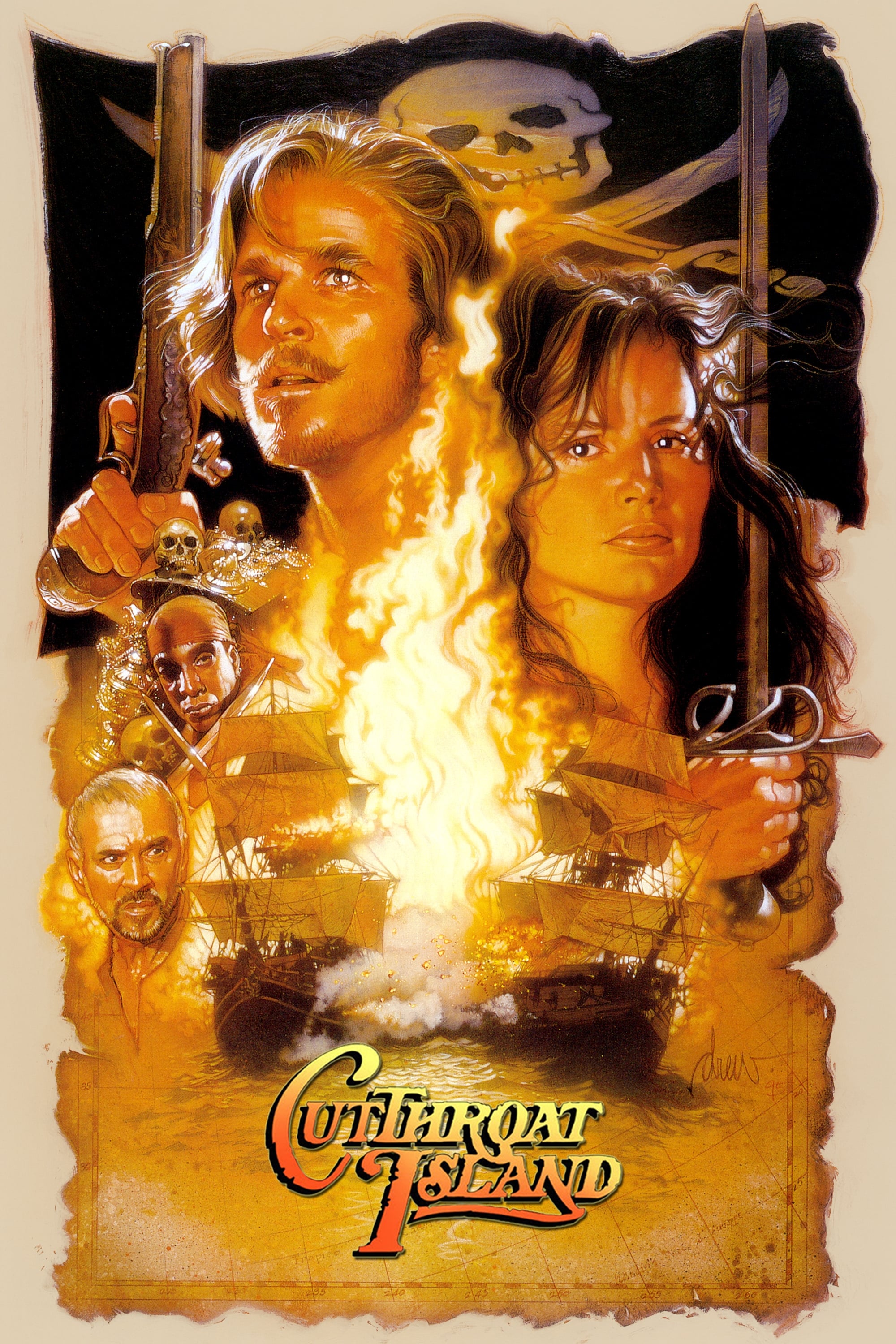
Geena Davis and Matthew Modine star in this pirate adventure directed by Renny Harlin. Extensive water tank work and ship construction drove a lengthy and expensive shoot. The distributor collapsed during release which hurt marketing and rollout. The financial failure contributed to the bankruptcy of Carolco Pictures.
‘Jonah Hex’ (2010)
This DC Comics western action film features Josh Brolin, Megan Fox, and John Malkovich. Production included late reshoots that changed the villain plan and climax. The final runtime came in under ninety minutes with several subplot trims. The film opened weakly and shut down further exploration of the character for years.
‘Green Lantern’ (2011)
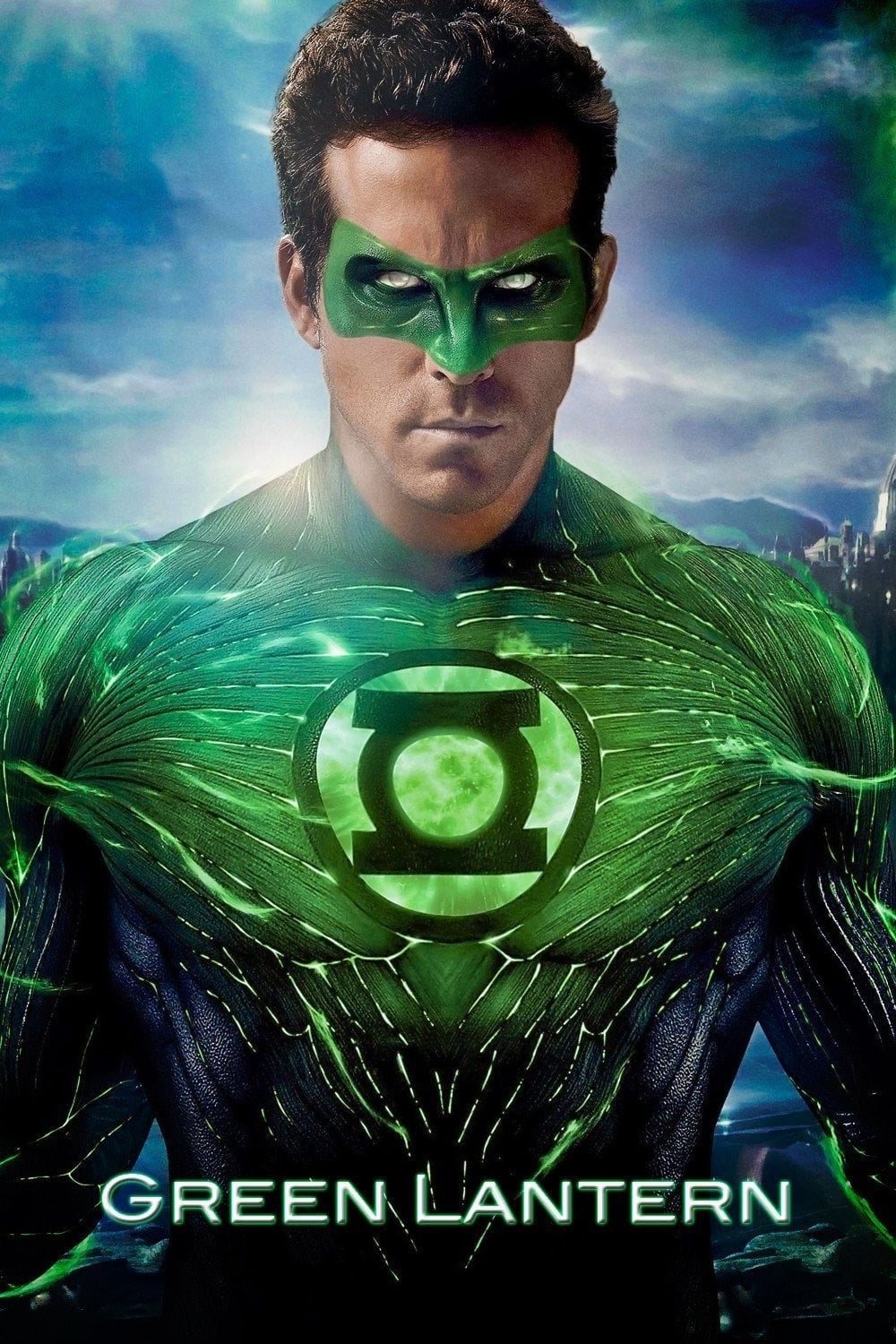
Ryan Reynolds stars as Hal Jordan under director Martin Campbell. The production used extensive motion capture and a fully digital suit for the lead character. Story elements introduce the wider Corps and the threat of Parallax while setting up possible sequels. Disappointing results led the studio to pivot and later reintroduce the character through other projects.
‘The Last Airbender’ (2010)
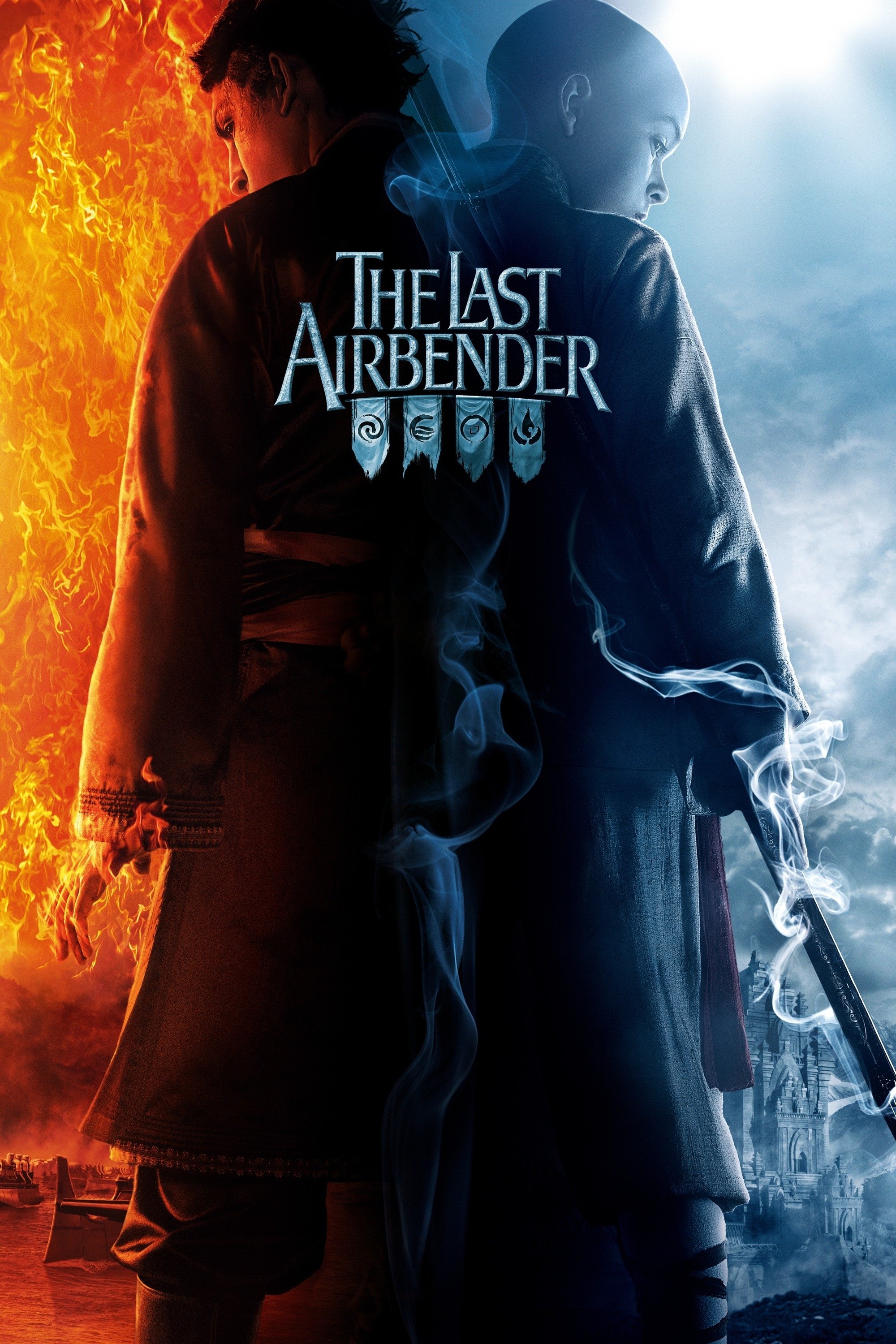
M. Night Shyamalan adapted the animated series into a condensed first season story. Noah Ringer, Nicola Peltz, and Dev Patel led the cast with heavy wire work and green screen sets. Pronunciation changes and rewritten character arcs drew fan complaints. Despite strong initial interest, word of mouth dropped quickly and sequel plans were shelved.
‘Geostorm’ (2017)
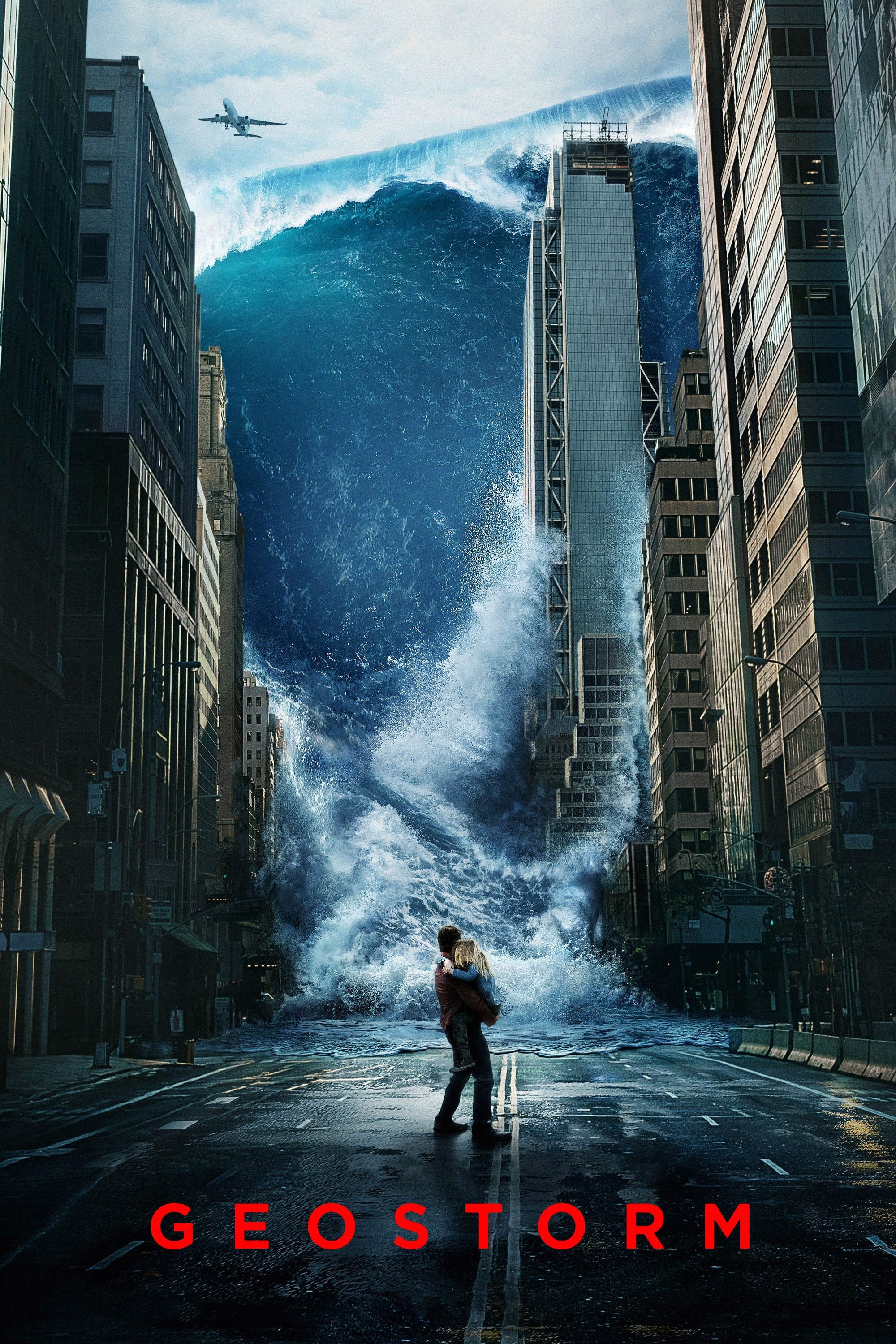
Dean Devlin directed this disaster action film about a satellite network that controls global weather. Gerard Butler and Jim Sturgess star as brothers racing to stop a sabotage plot in orbit. Extensive reshoots added new scenes and a new composer late in post production. The domestic box office finished far below its reported production cost.
‘After Earth’ (2013)
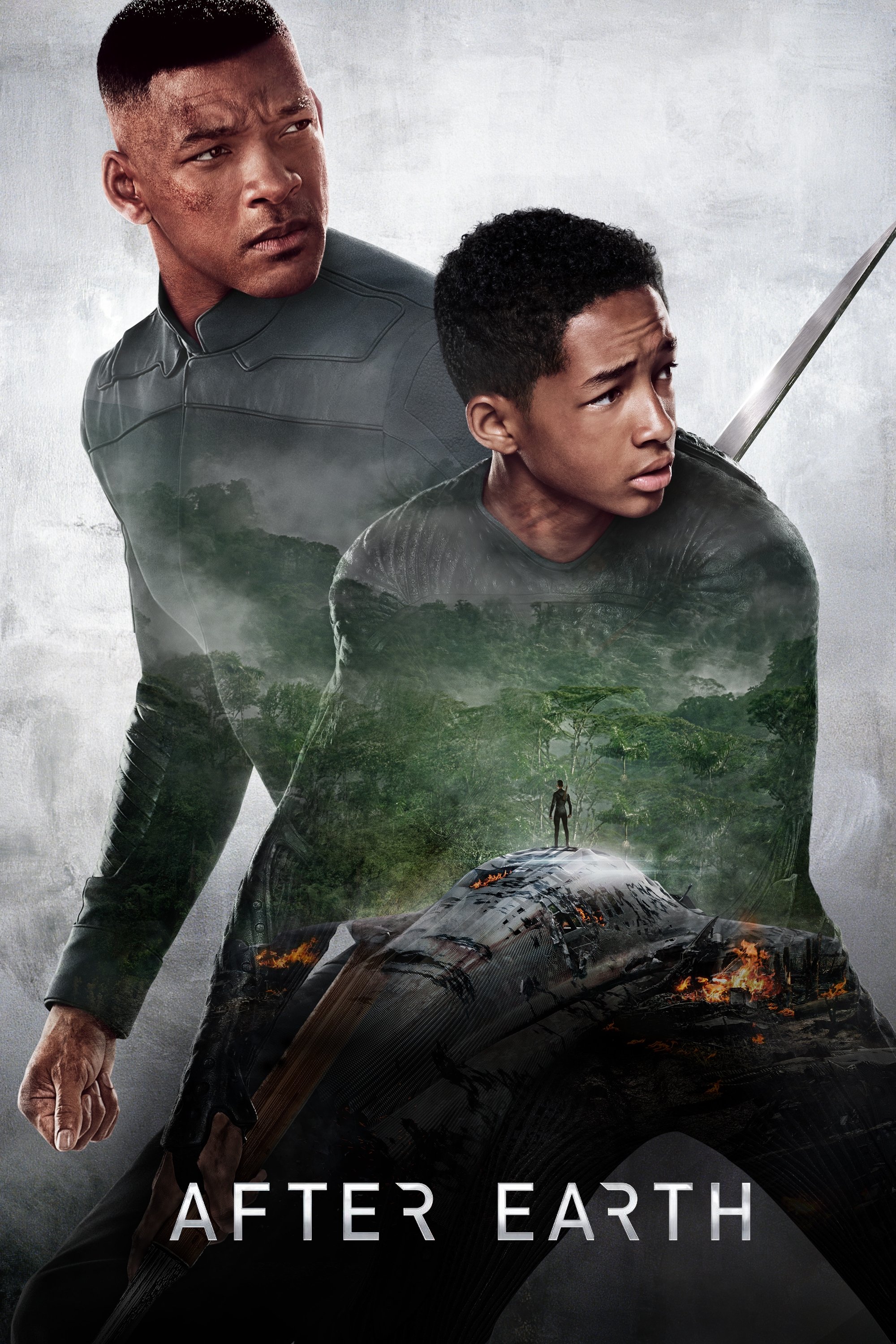
Will Smith and Jaden Smith play a father and son stranded on a hostile planet. M. Night Shyamalan directed from a story developed by Will Smith with survival focused set pieces. The film used large scale digital creatures and extensive location work. Revenues fell short of expectations and the concept did not continue.
‘Terminator Genisys’ (2015)
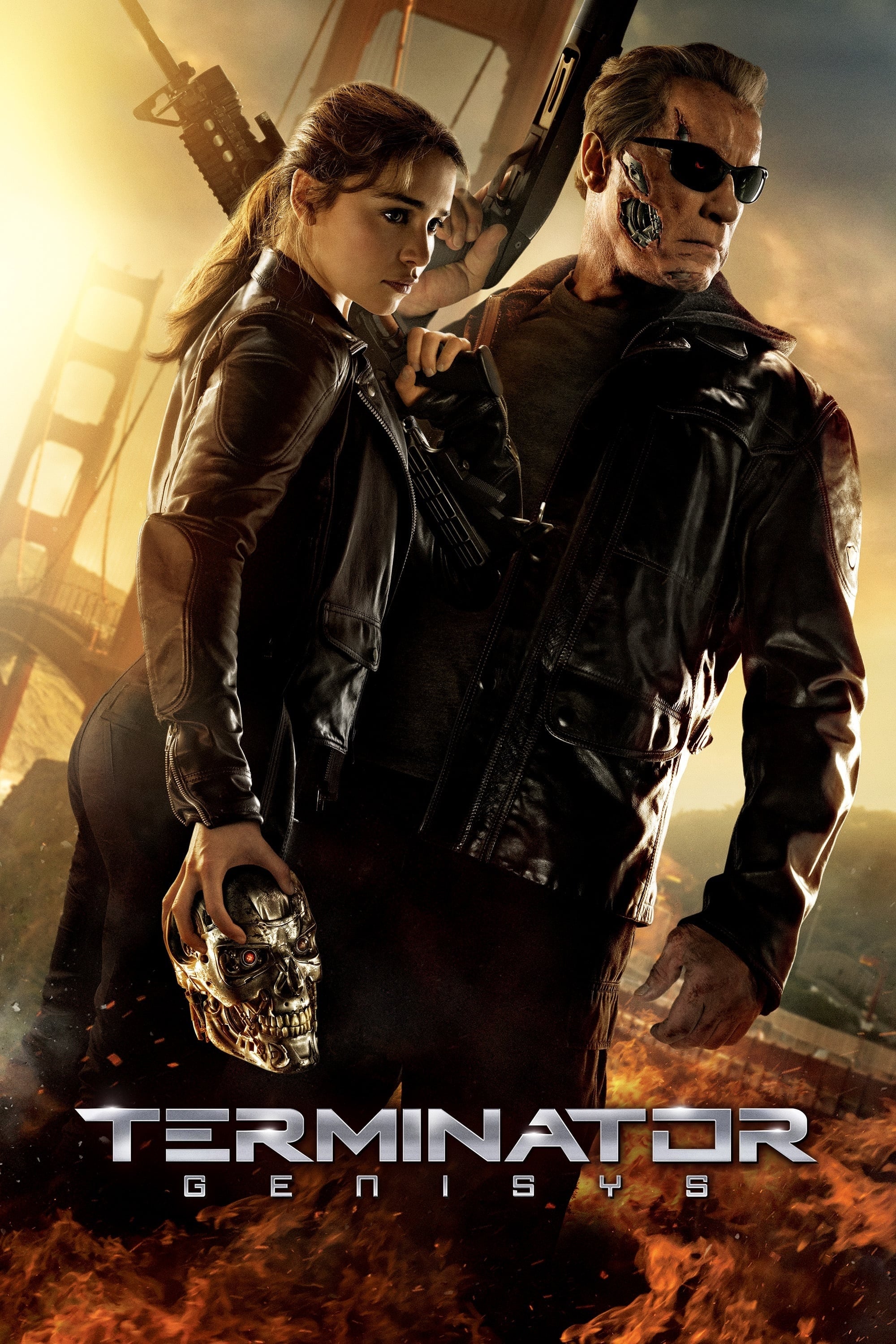
Alan Taylor rebooted the timeline with Emilia Clarke as Sarah Connor and Arnold Schwarzenegger returning. The script altered key events from earlier entries using time travel twists. Marketing revealed major plot turns before release, which affected audience curiosity. International grosses were not enough to sustain the planned trilogy.
‘xXx: State of the Union’ (2005)
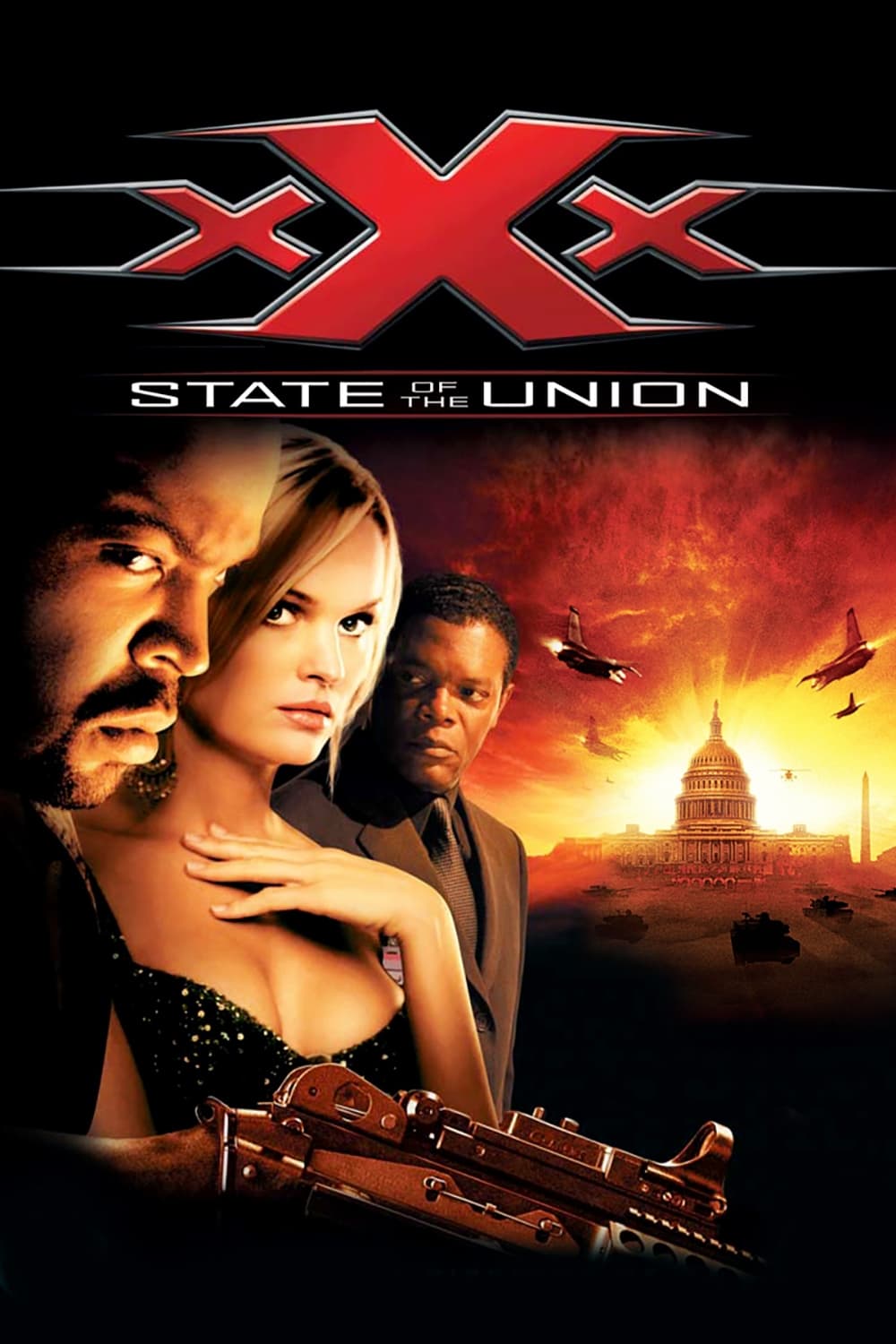
This second entry replaced the original lead with Ice Cube as a new agent. Lee Tamahori directed with stunt heavy chases across Washington D.C. sets. The budget rose while the opening weekend dropped from the first film’s debut. The brand went dormant until a later soft reboot brought back the original star.
‘Steel’ (1997)

Shaquille O’Neal starred as the DC Comics hero in a standalone urban vigilante story. Kenneth Johnson directed with practical armor effects and grounded set pieces. The film arrived with a modest marketing push and low tracking. It recorded a very small domestic total and ended hopes for a follow up.
‘Super Mario Bros.’ (1993)
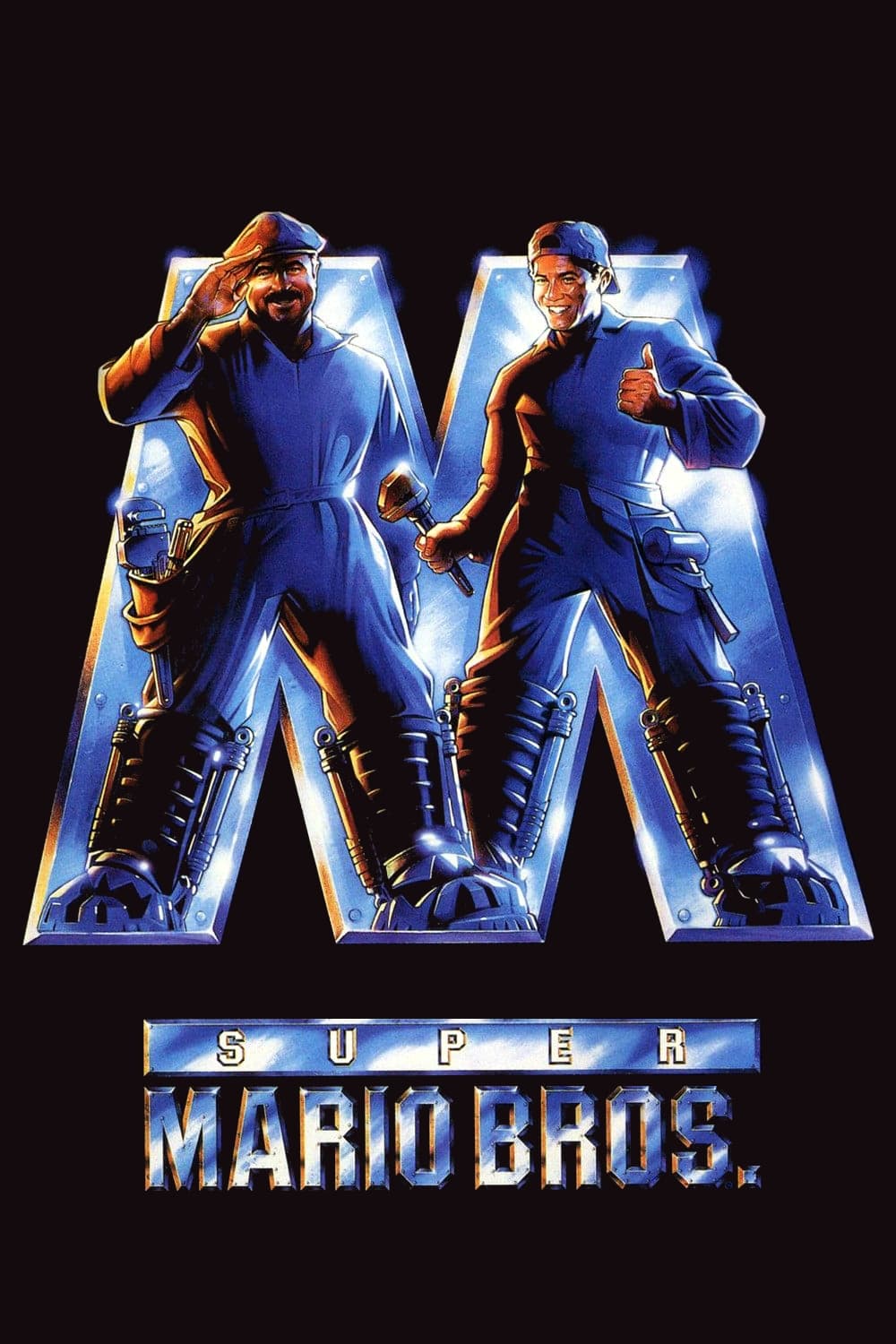
Bob Hoskins and John Leguizamo headlined this live action video game adaptation. The production built a dystopian alternate world with large practical sets and animatronics. Script rewrites during shooting created tone shifts across scenes. The movie struggled in theaters and the property returned to animation decades later.
‘King Arthur: Legend of the Sword’ (2017)
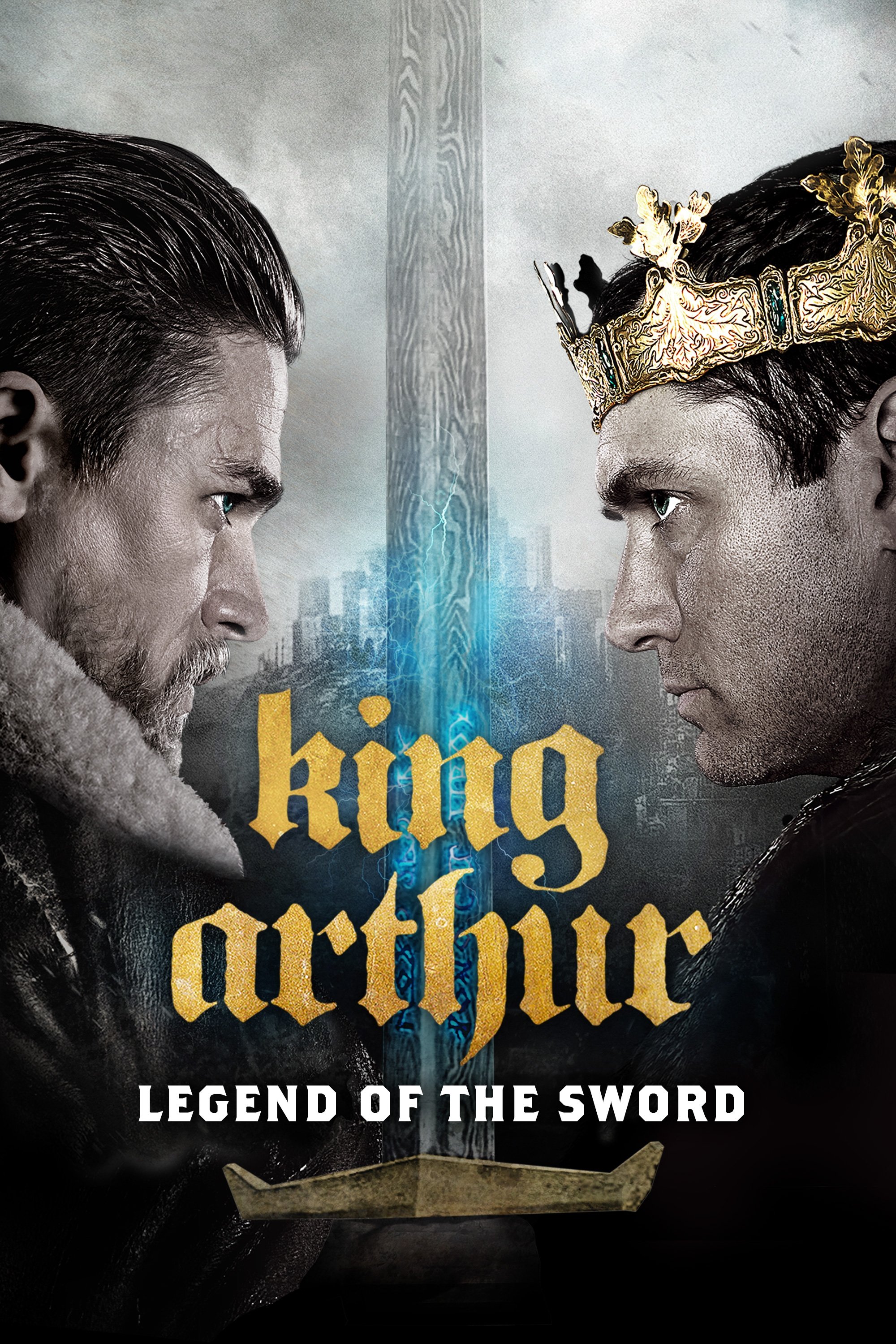
Guy Ritchie reimagined the myth with Charlie Hunnam and Jude Law in a fast cut action style. The film combined medieval settings with heavy visual effects and monster elements. Multiple planned installments were mapped out before release. Weak domestic performance ended the broader universe approach.
‘The Lone Ranger’ (2013)
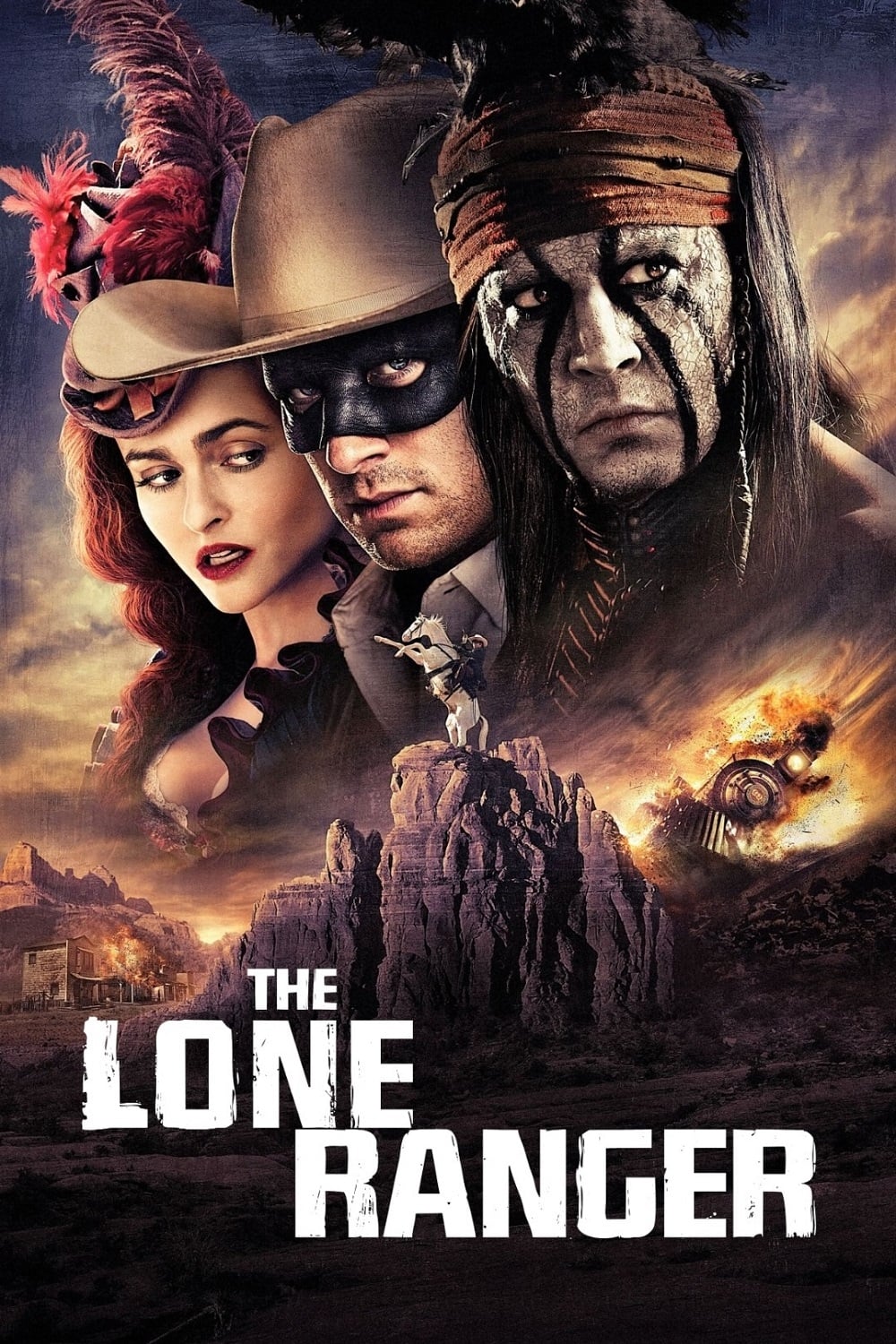
Gore Verbinski directed this western action film starring Johnny Depp and Armie Hammer. Railroad sequences and practical train builds drove a lengthy shoot. The budget expanded after weather delays and set costs. The result underperformed in North America relative to spending.
‘Robin Hood’ (2018)
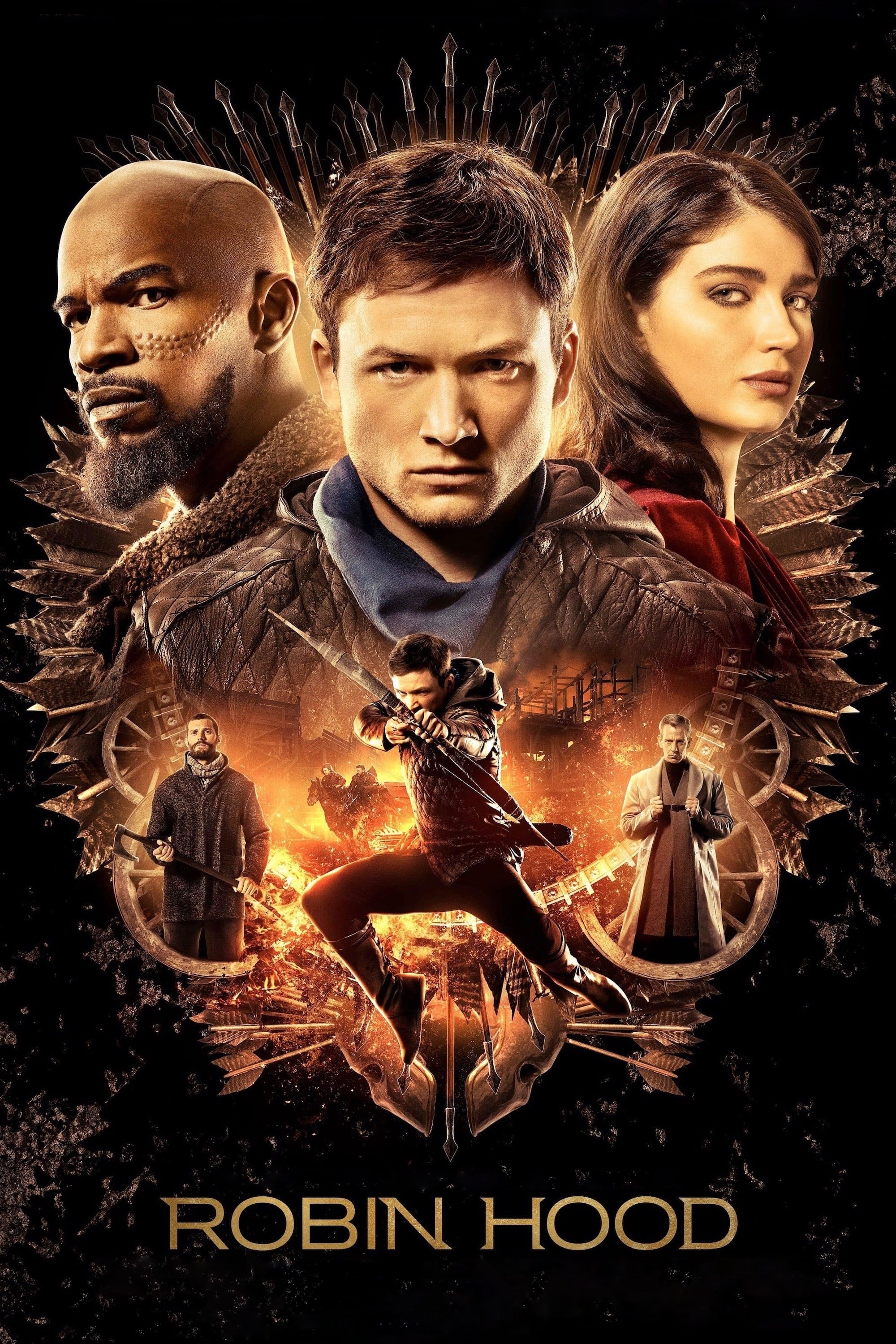
Taron Egerton and Jamie Foxx led a modernized retelling with contemporary costume styling. Otto Bathurst directed with crossbow shootouts staged like urban warfare. The release opened against strong holiday competition and quickly declined. Planned franchise development paused after the initial response.
‘Jupiter Ascending’ (2015)
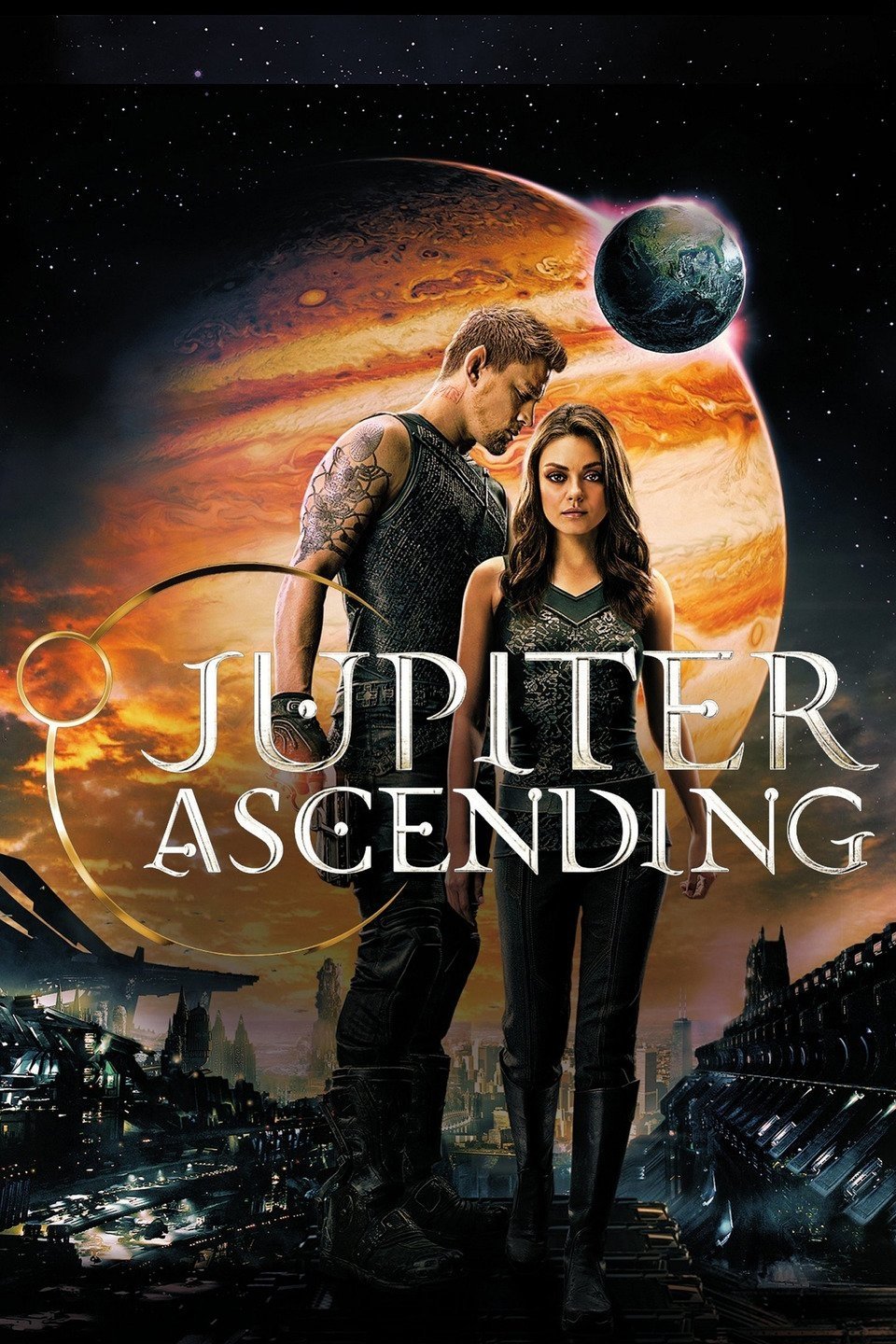
The Wachowskis created a space opera about a Chicago housekeeper who inherits a galactic dynasty. Channing Tatum and Mila Kunis star with elaborate flying rig stunts and creature makeup. The release date shifted to allow more time for visual effects. The film did not establish the intended new franchise.
‘The Mummy’ (2017)
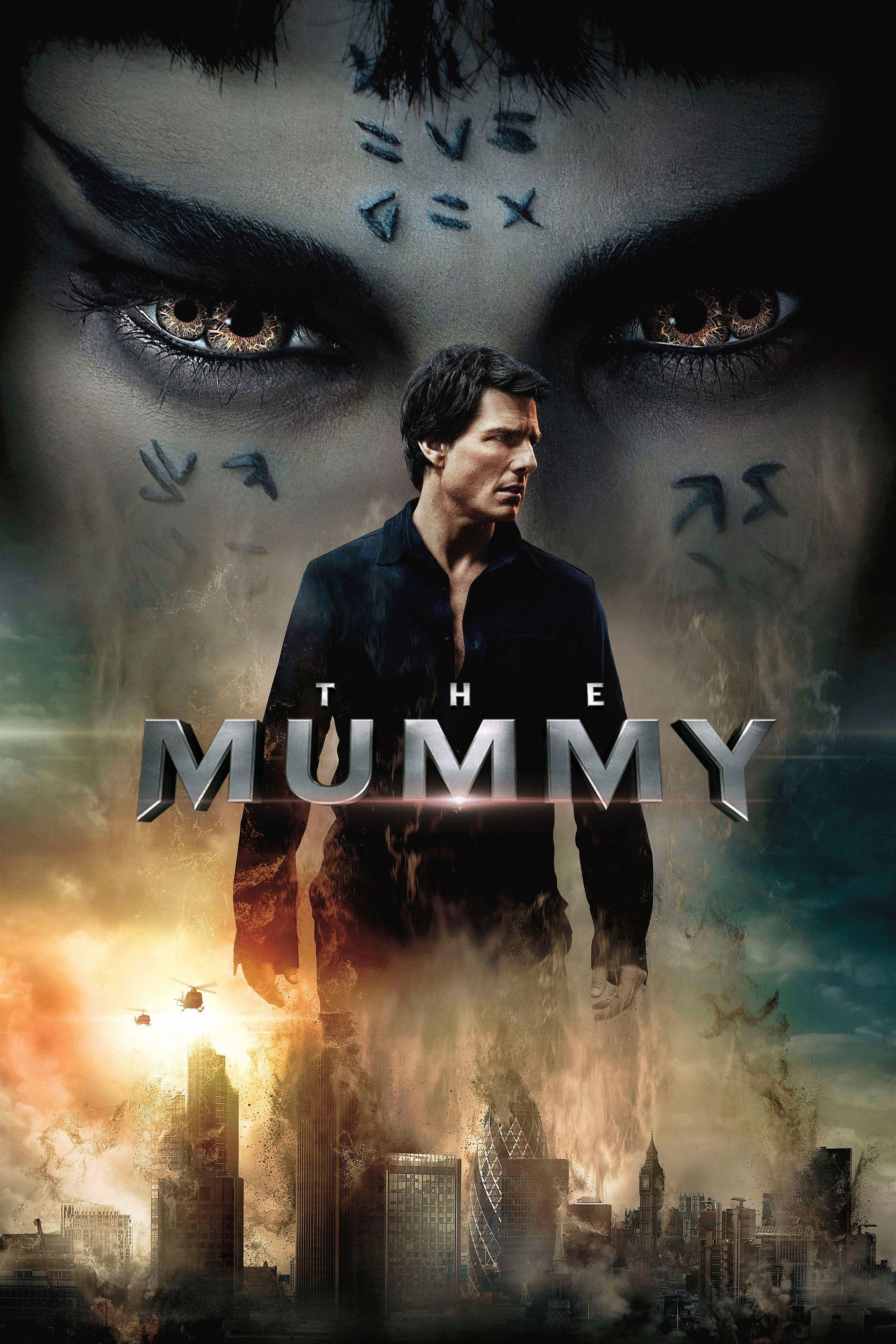
Universal launched a shared monster initiative with Tom Cruise and Sofia Boutella. Alex Kurtzman directed with a mix of plane crash stunts, London set pieces, and ancient tombs. Tie in announcements introduced the Dark Universe branding before reviews arrived. The plan was halted after the film’s results.
‘Fantastic Four’ (2015)
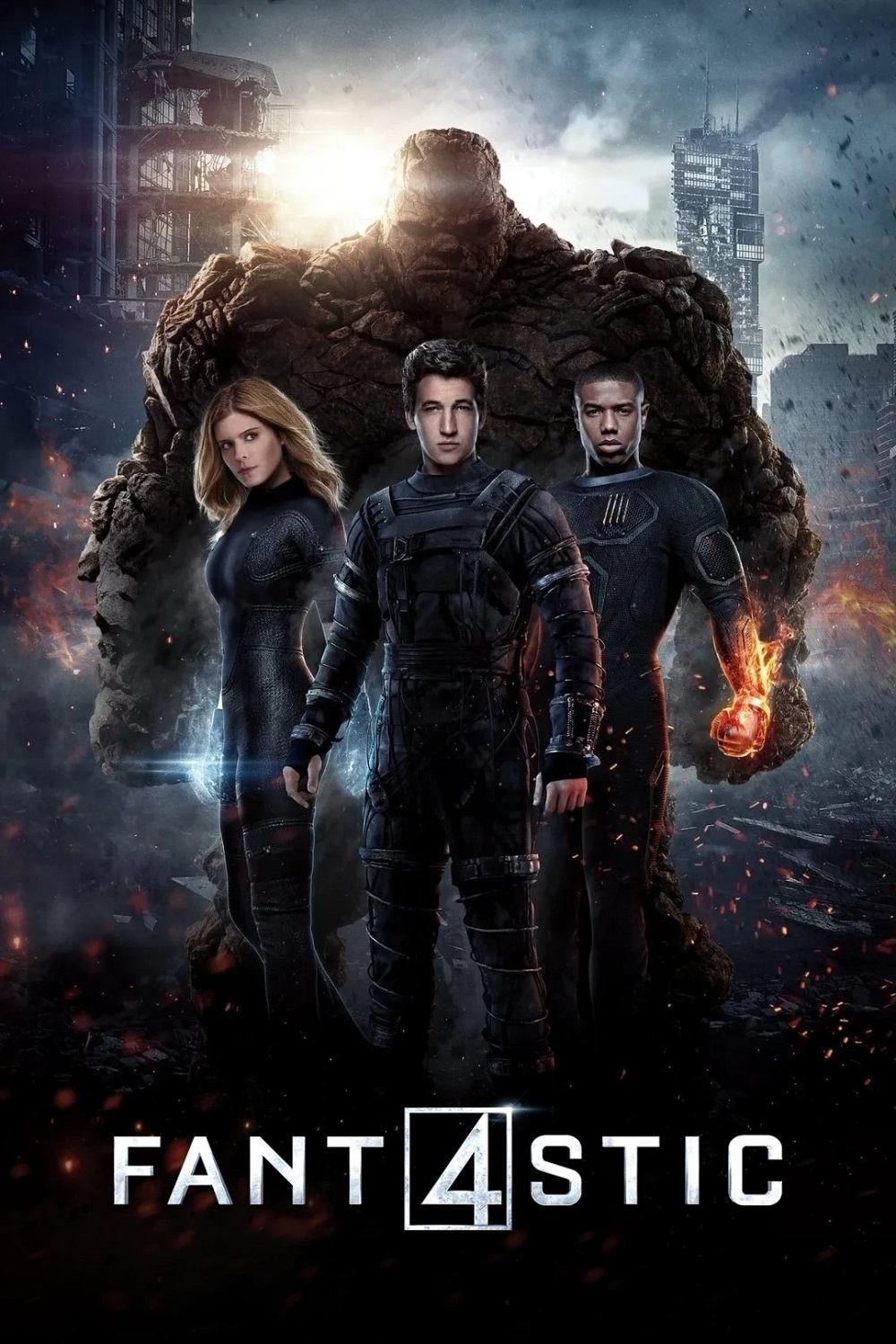
Josh Trank’s take on the Marvel team featured a younger cast and a science experiment origin. Reported reshoots introduced new scenes that changed the third act. The tone shifted from grounded body horror to conventional superhero action. Box office returns were low and a sequel was canceled.
‘Judge Dredd’ (1995)
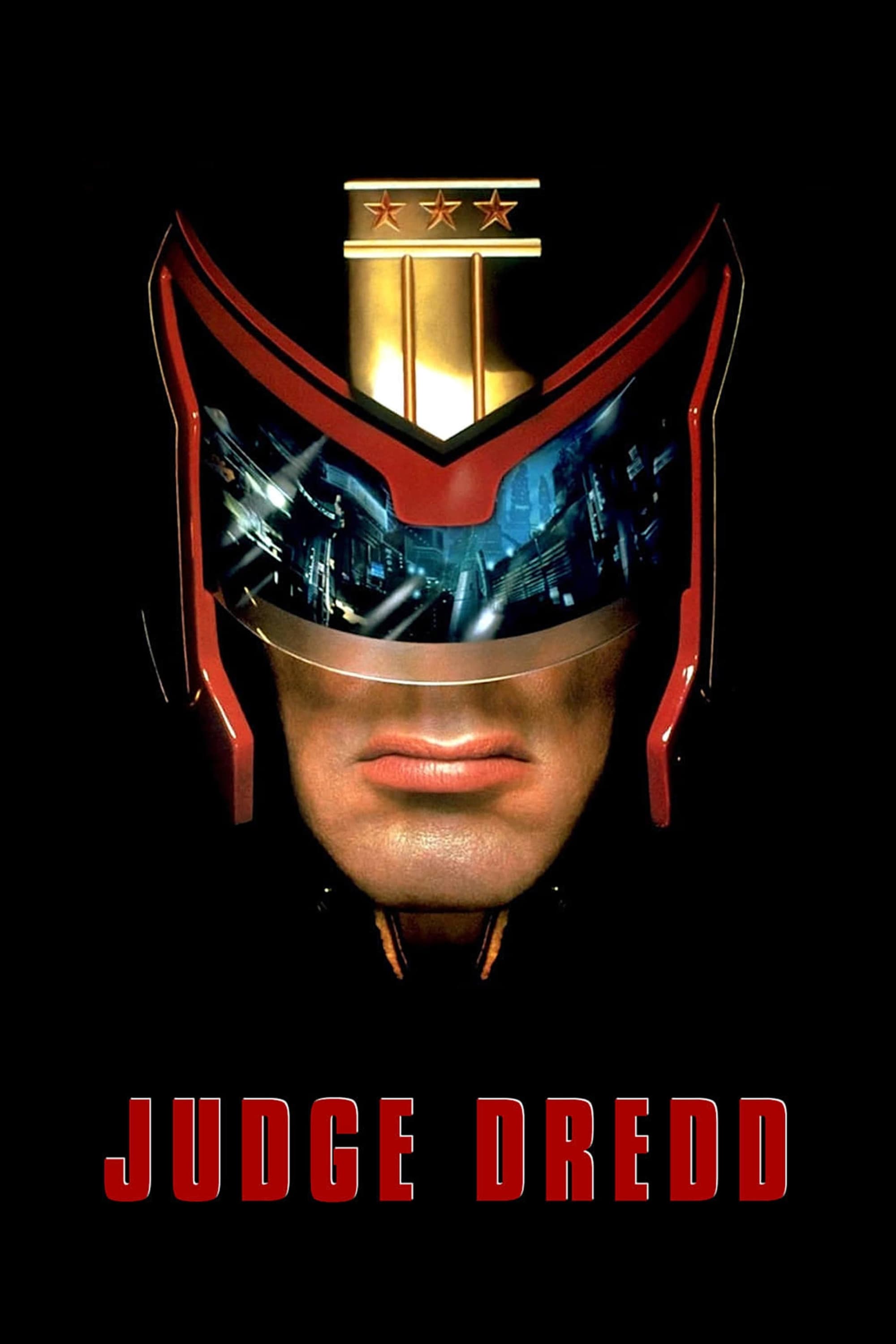
Sylvester Stallone starred as the lawman from the British comic with Rob Schneider as comic relief. The production leaned on large practical sets and ornate costumes. Edits pursued a broader rating while keeping shootouts and robot effects. The character later returned in a completely new version with no ties to this film.
‘Elektra’ (2005)

Jennifer Garner reprised the Marvel assassin in a solo mission that spun off from an earlier film. Rob Bowman directed with wire assisted fights and ninja fantasy elements. The story introduced the Hand and a young girl with mysterious abilities. Low earnings ended further theatrical plans for this iteration.
‘BloodRayne’ (2005)
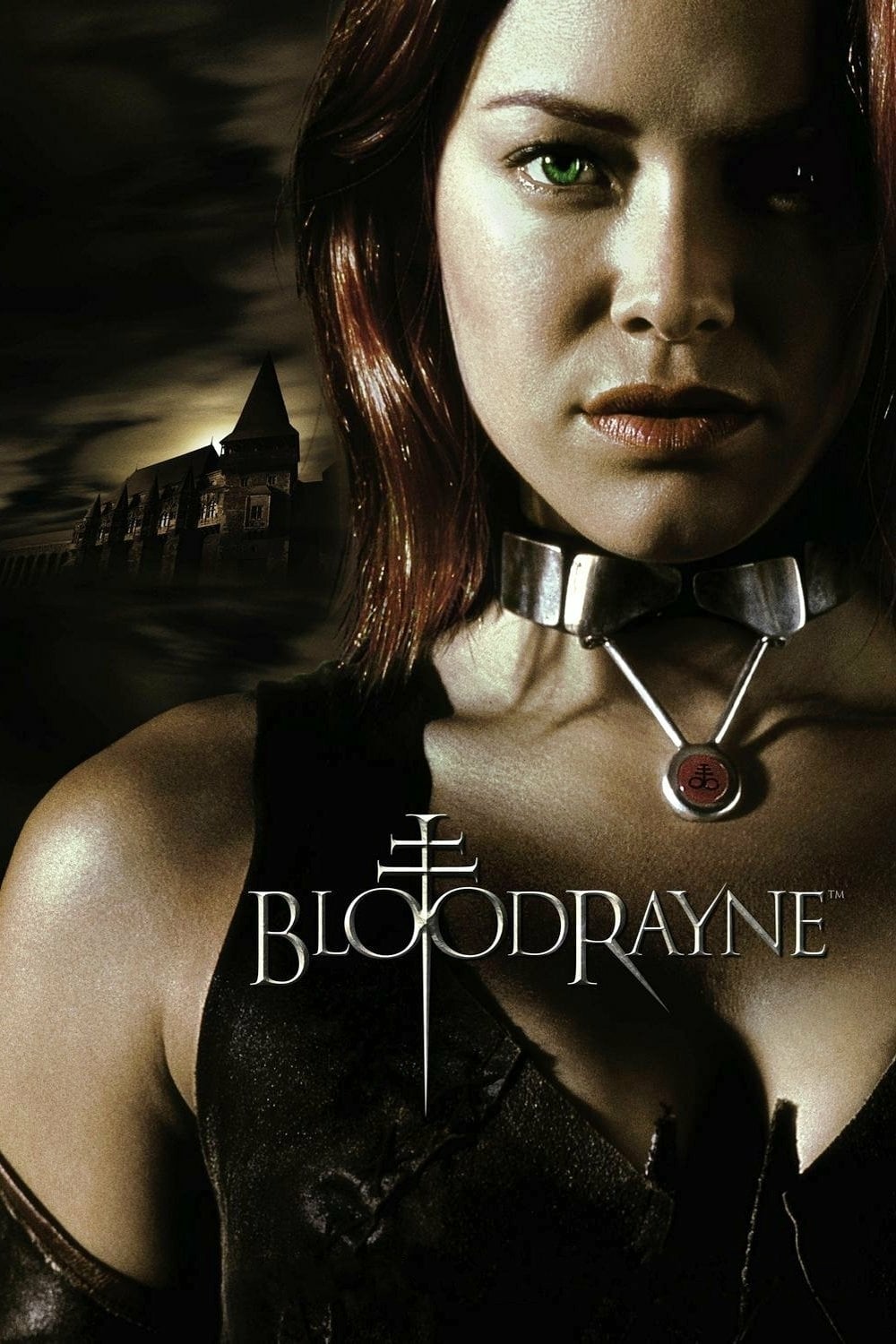
Uwe Boll adapted the video game about a dhampir hunting her father in a gothic setting. Kristanna Loken starred alongside Ben Kingsley and Michael Madsen with sword based action. Several versions exist with different edits for various markets. Two sequels were produced on smaller budgets for home release.
‘Alone in the Dark’ (2005)
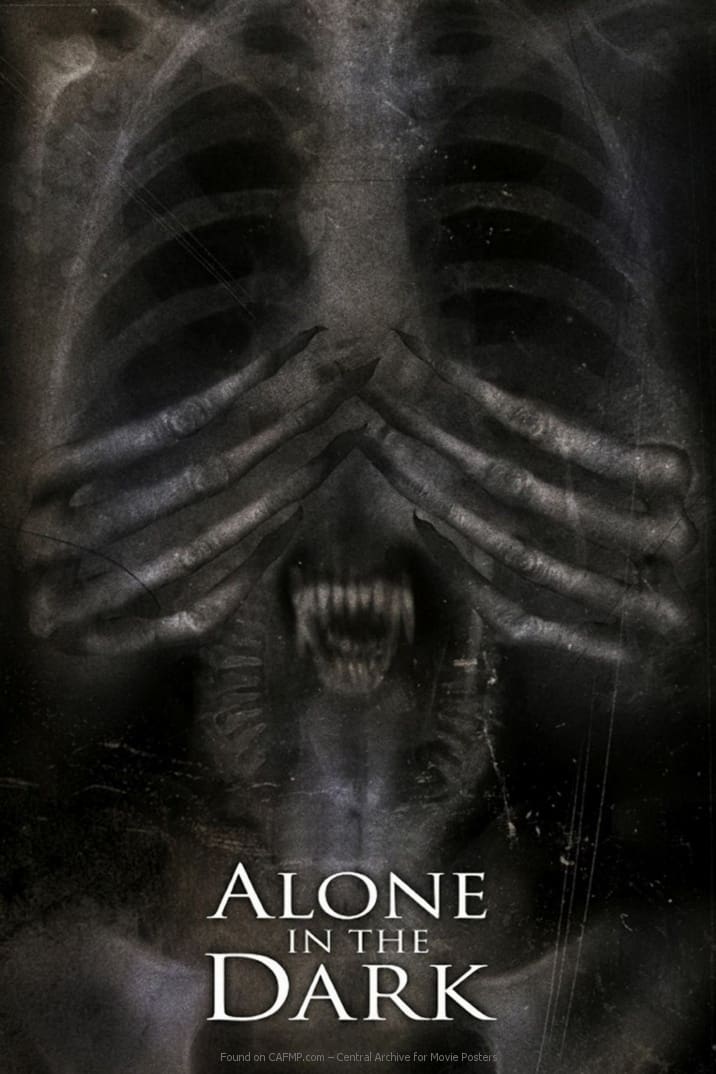
Another Uwe Boll video game adaptation centered on a paranormal investigator played by Christian Slater. The plot combined museum artifacts, government experiments, and creatures in the dark. Action beats used muzzle flash heavy gunfights and quick cutting. Theatrical numbers were minimal and critical reception was extremely poor.
‘Godzilla’ (1998)

Roland Emmerich relocated the monster’s attack to New York City with a new creature design. Miniatures, practical sets, and early digital effects filled large scale chase scenes. Marketing built expectations with a summer event rollout and merchandise. Audience reaction was mixed and planned sequels were dropped in favor of a later reboot.
‘Prince of Persia: The Sands of Time’ (2010)
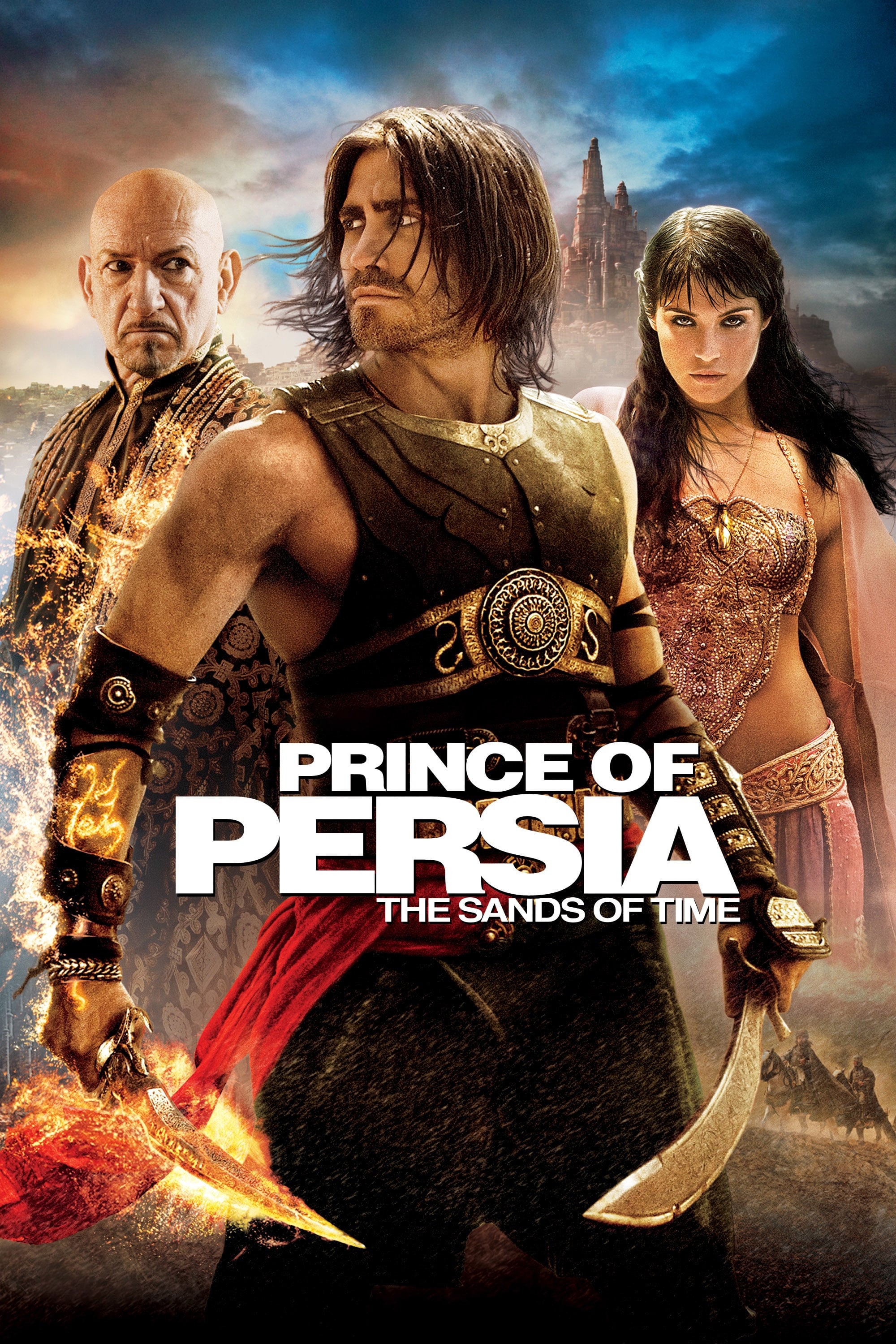
Disney translated the platforming game’s time reversal mechanic into live action set pieces. Jake Gyllenhaal and Gemma Arterton starred under director Mike Newell. Parkour chases and desert fortress builds highlighted the production. The film did not launch the hoped for adventure series.
‘Expend4bles’ (2023)
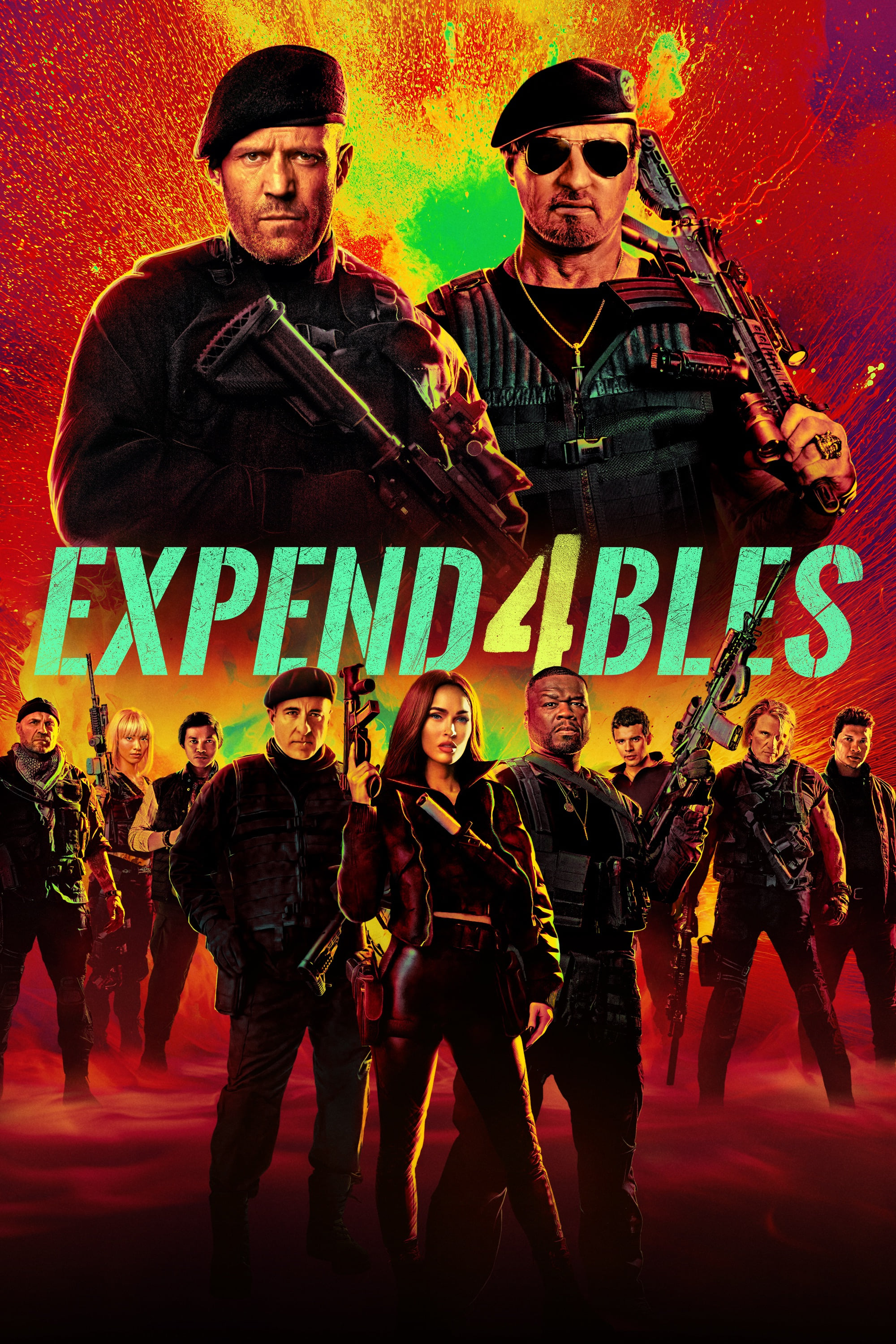
The fourth entry in the ensemble action franchise brought back Sylvester Stallone and Jason Statham. Scott Waugh directed with a focus on mercenary missions and large scale firefights. Reports of heavy use of digital backgrounds drew attention from longtime fans. The opening weekend came in as the lowest of the series and momentum faded quickly.
Share the action titles you would add or remove from this list in the comments.