Most Creative Prison/Breakout Arcs In Anime



Getting locked up doesn’t stop anime heroes—or villains—from planning their next move, and these stories show just how inventive confinement can get. From fortress-like island penitentiaries and secret government labs to towering cult-built monuments and underground labor camps, prison and breakout arcs push characters into tight corners and force ingenious solutions. Below are twenty standout examples across TV series and films, each spotlighting how the setting, rules, and stakes shape the escape—or the attempt.
‘One Piece’ (1999) – Impel Down
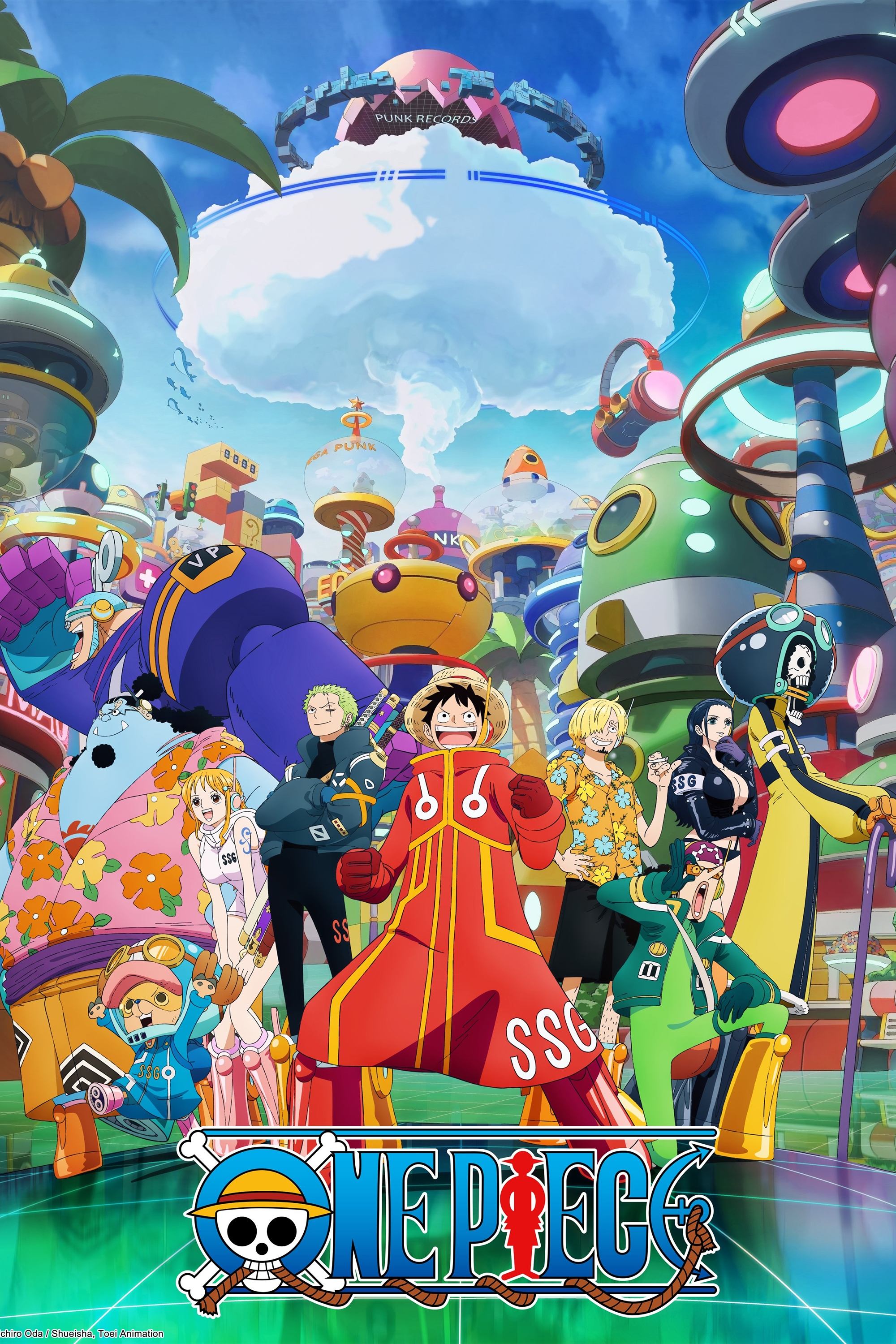
The Impel Down arc follows Monkey D. Luffy as he infiltrates the World Government’s deep-sea prison to reach Level 6, where high-profile inmates are kept. The facility is divided into multiple levels with escalating hazards, including beasts, blizzards, and a torture-focused administration led by Magellan. Luffy crosses paths with former foes and allies, leveraging the chaos to descend through the layers. The arc connects directly to the Marineford storyline, with multiple escapes reshaping the balance of power on the seas.
‘JoJo’s Bizarre Adventure: Stone Ocean’ (2021) – Green Dolphin Street Prison

Set in a Florida correctional facility, this part centers on Jolyne Cujoh discovering and refining her Stand while navigating prison hierarchies. The prison’s systems—sealed blocks, surveillance, and a disciplinary wing—frame Stand battles that hinge on tight spaces and limited resources. Antagonists manipulate staff and inmates, turning routine procedures into traps. The narrative uses transfers, visitation rules, and work details as structural beats that enable or obstruct escape attempts.
‘The Promised Neverland’ (2019) – Grace Field House Escape
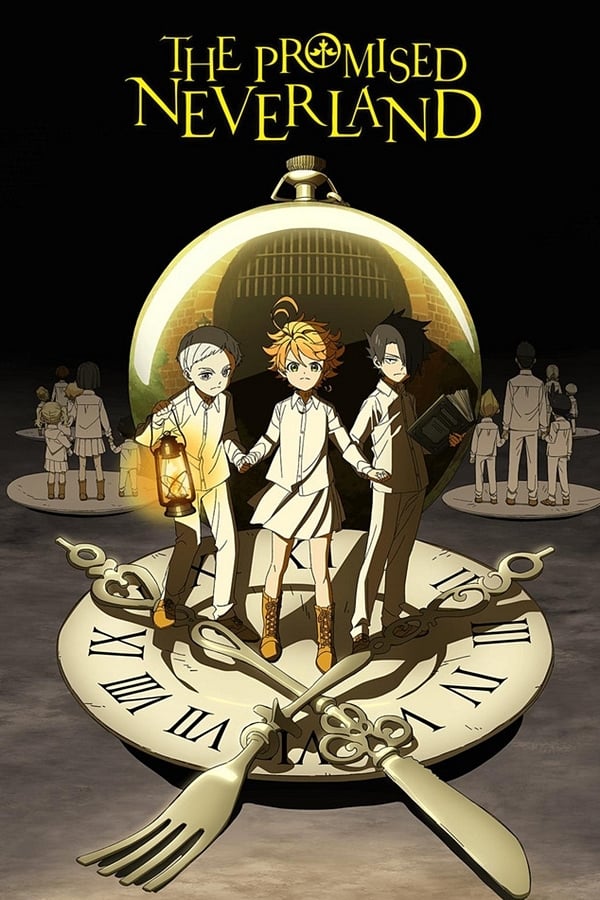
Grace Field House is an idyllic orphanage hiding a farm system that treats children as products for demons. Emma, Norman, and Ray build a meticulous plan around daily routines, supply inventories, and the perimeter’s surveillance to get younger children out at once. The escape hinges on cartography, rope-making, and exploiting blind spots in patrol patterns. The operation’s timing and decoys address the risk of immediate pursuit once the alarm is triggered.
‘Golden Kamuy’ (2018) – Abashiri Prison Arc

Abashiri Prison in Hokkaido serves as the nexus for competing groups seeking tattooed map fragments on convicts’ skin. Sugimoto’s team coordinates with and against former inmates to penetrate the prison’s defenses during severe winter weather. Warden-controlled corridors and locked sectors force tactical decisions about routes and allies. The confrontation reshuffles control of the map pieces, sending the hunt across northern Japan.
‘Deadman Wonderland’ (2011) – Scar Chain Escape
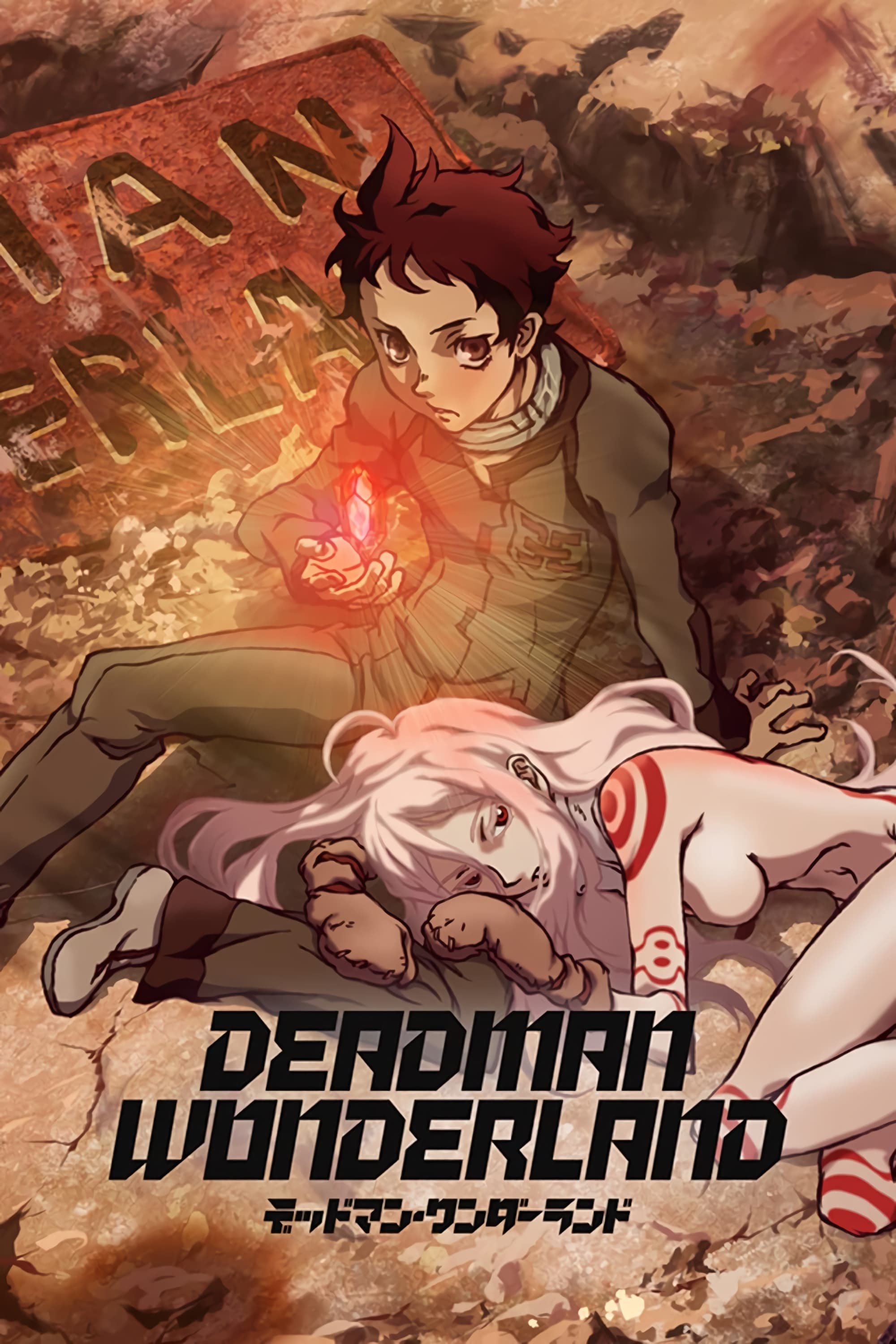
After being framed, Ganta Igarashi lands in a privatized prison that doubles as a theme park, where “Deadmen” fight using blood-based abilities. The Scar Chain faction develops a multi-stage breakout that depends on access cards, staff shifts, and internal communications. Security systems and the Warden’s engineered events complicate each phase, forcing revisions on the fly. The plan spotlights how inmate alliances and hidden facilities intersect within the prison’s show-business façade.
‘Baki Hanma’ (2021) – Arizona State Prison
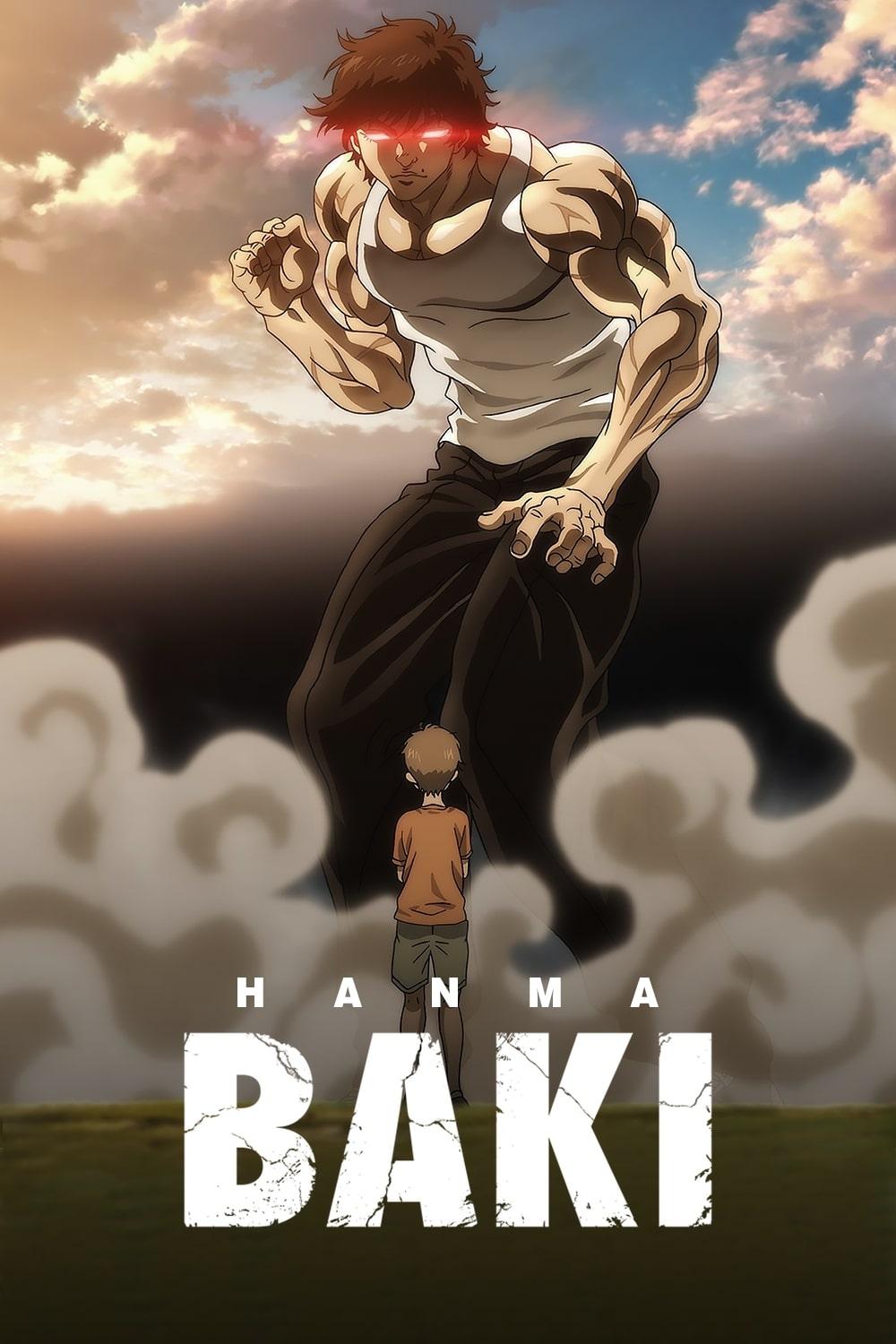
Baki deliberately gets incarcerated to challenge the inmate known as Mr. Unchained, who enjoys unprecedented freedom within the prison. The facility’s special housing units, guards’ protocols, and sanctioned “matches” shape how confrontations occur. Administrative leeway for the elite prisoner becomes a key obstacle Baki must navigate. The arc uses controlled movement, lockdown procedures, and yard rules to structure every escalation.
‘Fist of the North Star’ (1984) – Cassandra Prison Arc

Cassandra is a post-apocalyptic prison fortress where abducted martial artists are detained. Kenshiro’s approach requires cutting through outer defenses and confronting an administration that weaponizes fear. Prisoners’ skills and injuries affect how the rescue unfolds inside narrow corridors and cell blocks. The arc highlights how control over water and rations functions as security infrastructure in a collapsed society.
‘Fairy Tail’ (2009) – Tower of Heaven

The Tower of Heaven is a slavery-built structure designed as a magical amplifier. Erza Scarlet’s past as a captive ties the guild’s mission to dismantle the tower’s power source. Security relies on magical barriers, overseers, and the tower’s architecture, which channels energy toward a ritual. The operation demands simultaneous sabotage of key nodes to prevent the structure from completing its intended activation.
‘Boruto: Naruto Next Generations’ (2017) – Hozuki Castle Arc

Hozuki Castle is a maximum-security shinobi prison located in the Land of Wind, where chakra restraints and isolation cells neutralize jutsu. Boruto infiltrates under false pretenses to investigate a criminal group’s activities. The plan requires navigating prisoner factions and guard patrols without revealing his identity. Escape contingencies rely on acquiring or bypassing sealing techniques that govern movement within the facility.
‘Kaiji’ (2007) – Underground Labor Camp

After losing a high-stakes gamble, Kaiji is consigned to an underground complex where debtors work off what they owe. The camp’s closed economy uses scrip, rationing, and tightly monitored recreation periods to regulate behavior. Kaiji’s strategy involves exploiting market inefficiencies and timing within the camp’s schedule. The eventual attempt to reach the surface turns on coordinated distractions and precise use of limited tools.
‘Berserk’ (1997) – Tower of Rebirth Rescue
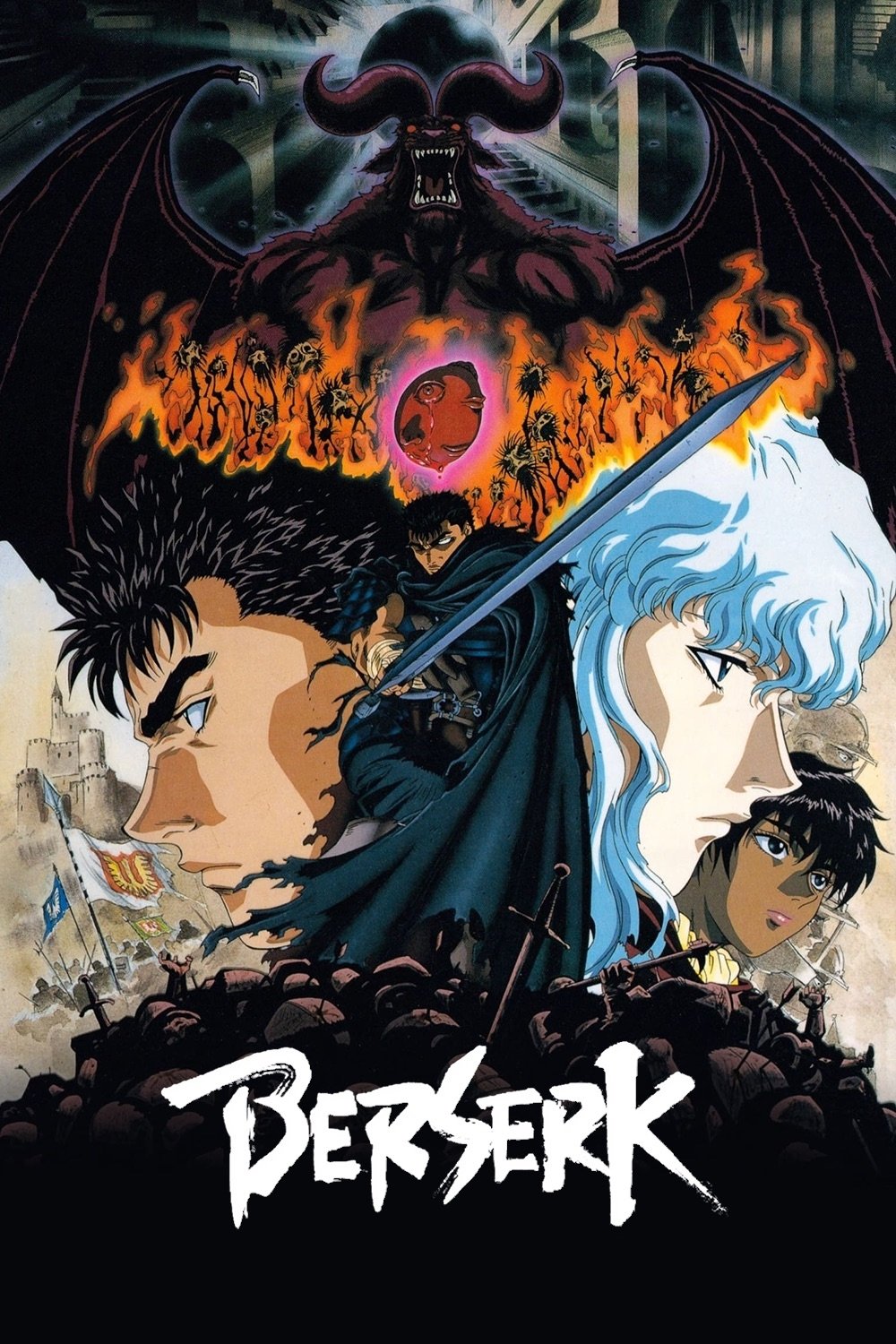
Griffith’s imprisonment in a royal citadel leads to a rescue that navigates torture chambers and restricted passages. The castle’s internal guards, hidden stairways, and sealed cells require both stealth and insider knowledge. The rescue party uses uniforms, timing, and familiarity with the keep’s layout to avoid detection. The extraction changes the composition and trajectory of the Band of the Hawk.
‘Akudama Drive’ (2020) – Kansai Prison Break
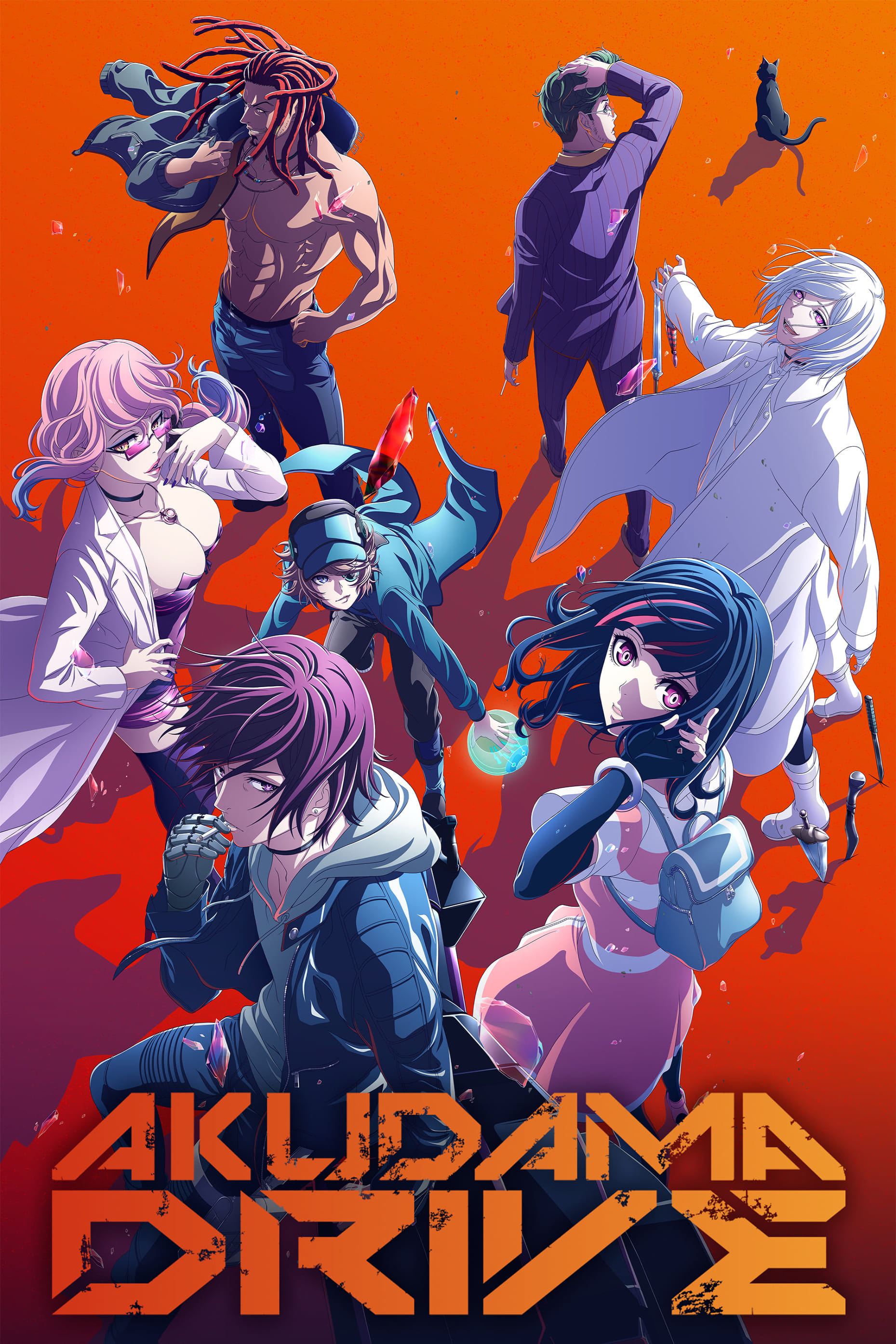
A group of hired criminals is assembled to breach a heavily fortified transport and prison system. The plan segments tasks among specialists—hackers, couriers, and heavy hitters—synchronized to fixed rail schedules and checkpoints. Automated security drones and lockdown protocols escalate once the incursion begins. The arc uses urban infrastructure and public transit as part of the prison’s extended perimeter.
‘The Numbers’ (2016) – First Escape Plan
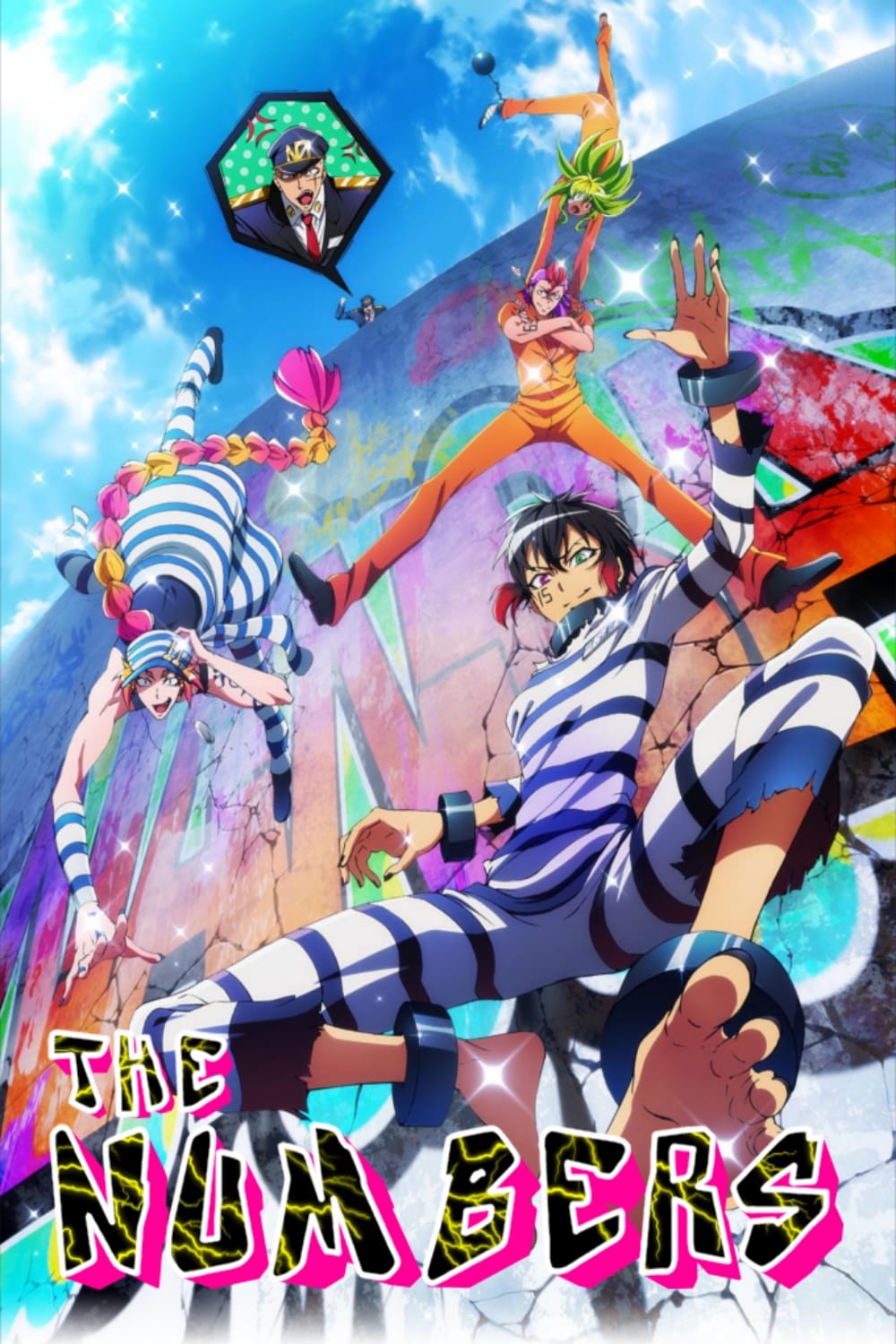
Nanba Prison is famed for its high-tech security, with inmates who treat escape attempts as a craft. The first major plan showcases how route mapping, guard routines, and gadgetry interplay against biometric systems. Warden-level counters introduce unpredictable variables that demand rapid recalibration. The sequence explains how even successful steps must pass through multiple layers before reaching an exit.
‘Bungo Stray Dogs’ (2016) – Meursault Prison
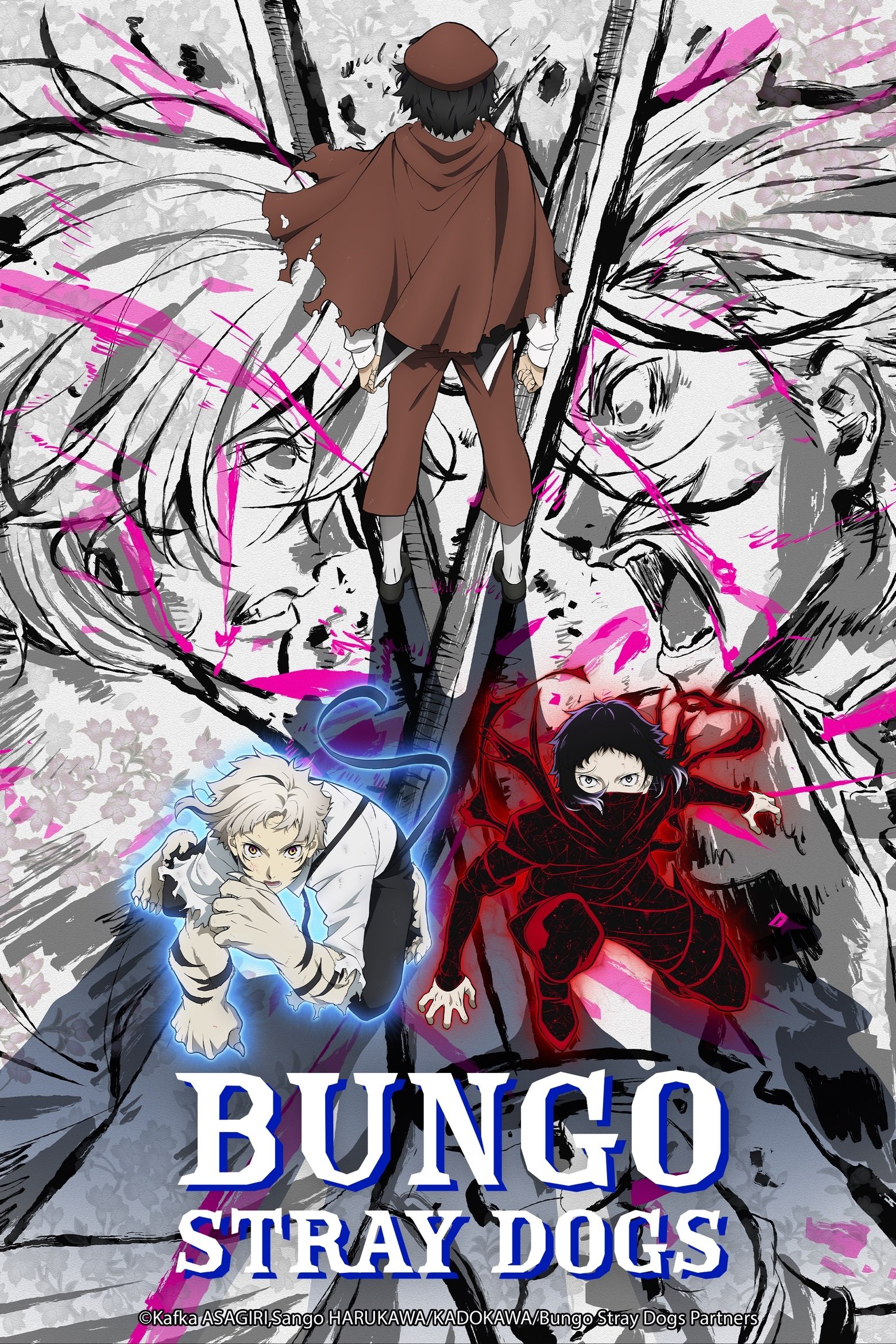
Key figures are detained in a clandestine European facility designed to nullify supernatural abilities. The prison’s modular cells, dampening fields, and surveillance make conventional powers unreliable. Opposing organizations maneuver to influence transfers and access rights as part of larger objectives. The storyline treats visitation, medical checks, and alarms as tactical windows that can be forced open or closed.
‘Tokyo Ghoul’ (2014) – Cochlea Raid
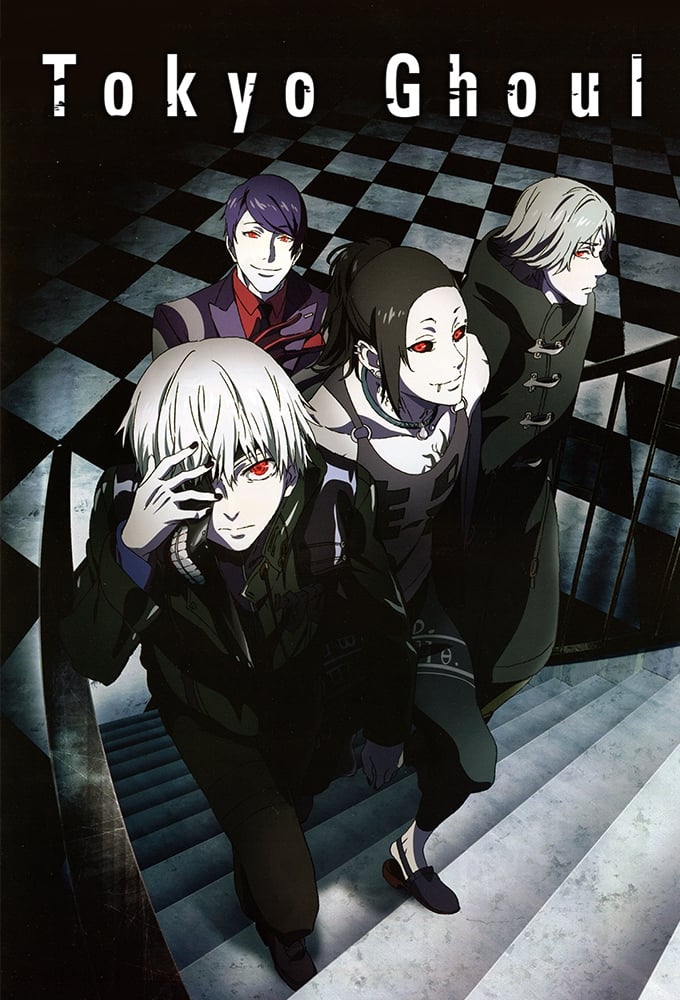
Cochlea serves as the CCG’s detention center for dangerous ghouls, with cells built to handle unique physiology. A raid targets the facility to liberate specific inmates, using diversions against the CCG’s rapid-response units. The design of the cell blocks channels combat into narrow killzones, amplifying risk for attackers and defenders. The outcome redistributes power among ghoul factions and the CCG.
‘My Hero Academia’ (2016) – Tartarus Prison Break

Tartarus is an offshore supermax facility that houses high-risk offenders with specialized containment. The breach involves coordinated assaults from outside and inside, exploiting communications jammed during a wider crisis. Automated defenses, segmented blocks, and aerial approach restrictions shape each phase of the escape. The event triggers widespread releases that alter the landscape for heroes and civilians.
‘Banana Fish’ (2018) – Rikers Island Arc
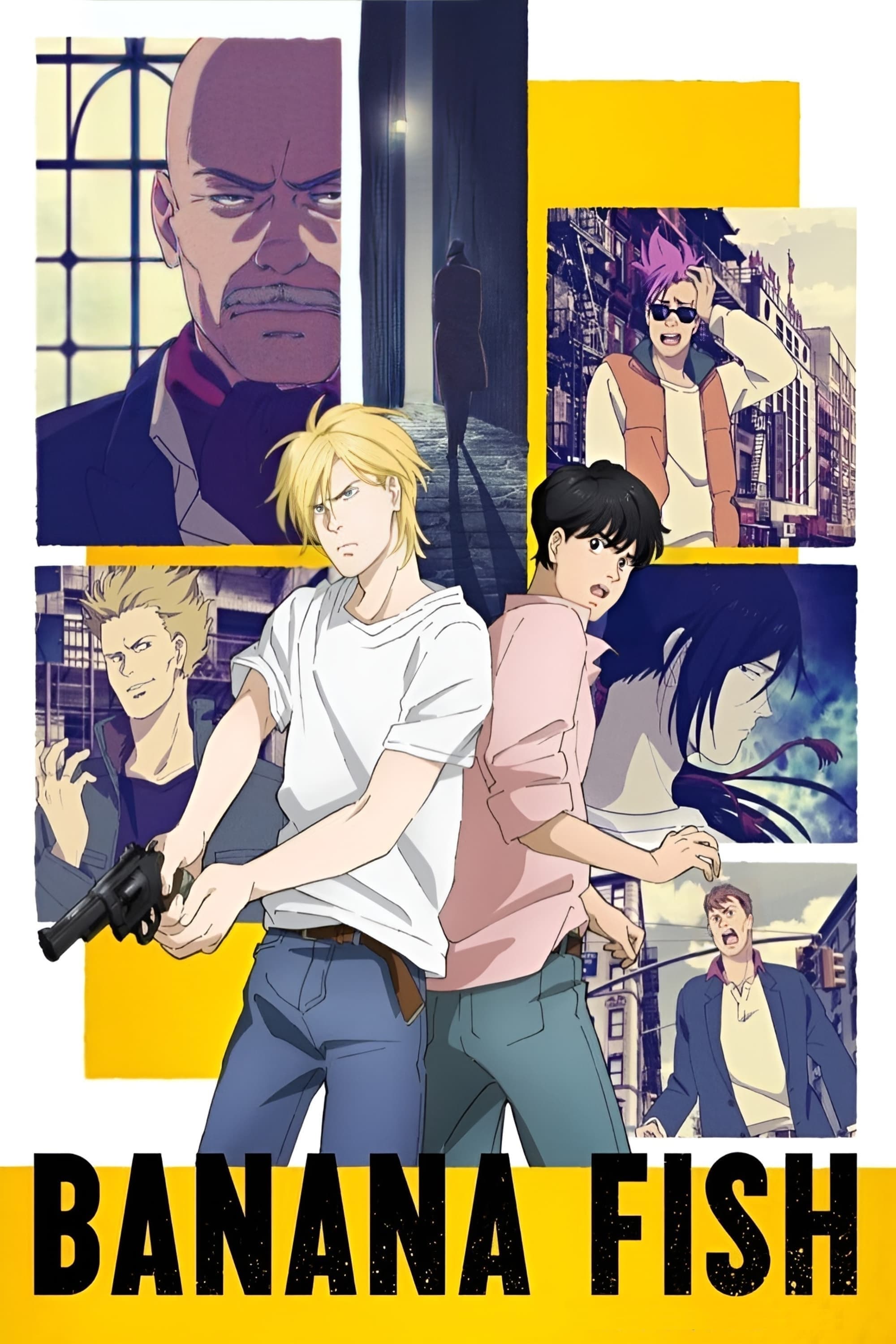
Ash Lynx’s incarceration at Rikers Island forces strategic alliances to survive and communicate with allies beyond the walls. Control over contraband, visitation lists, and guard rotations affect information flow. Legal maneuvers and transfers become as important as physical movement inside the facility. The arc ties prison politics to the broader criminal conspiracy surrounding the ‘Banana Fish’ substance.
‘Moriarty the Patriot’ (2020) – Newgate Prison Infiltration

An operation targets London’s Newgate Prison to manipulate a high-profile case from within. Disguises, forged documentation, and timing around scheduled cell checks enable access to restricted areas. The plan leverages the prison’s record-keeping and escorted-movement rules to stage key encounters. Outcomes inside Newgate ripple through ongoing investigations and trials outside its walls.
‘Naruto Shippuden the Movie: Blood Prison’ (2011)

Naruto is wrongfully confined in Hozuki Castle, a shinobi detention center controlled by a warden who uses sealing techniques to suppress chakra. The film lays out confinement protocols, identification seals, and disciplinary measures that make direct confrontation costly. Naruto must gather evidence, win allies among inmates, and identify the methods used to manipulate records. The escape and resolution expose how the prison’s authority is being exploited for a larger plot.
‘Danganronpa: The Animation’ (2013) – Hope’s Peak Academy Confinement
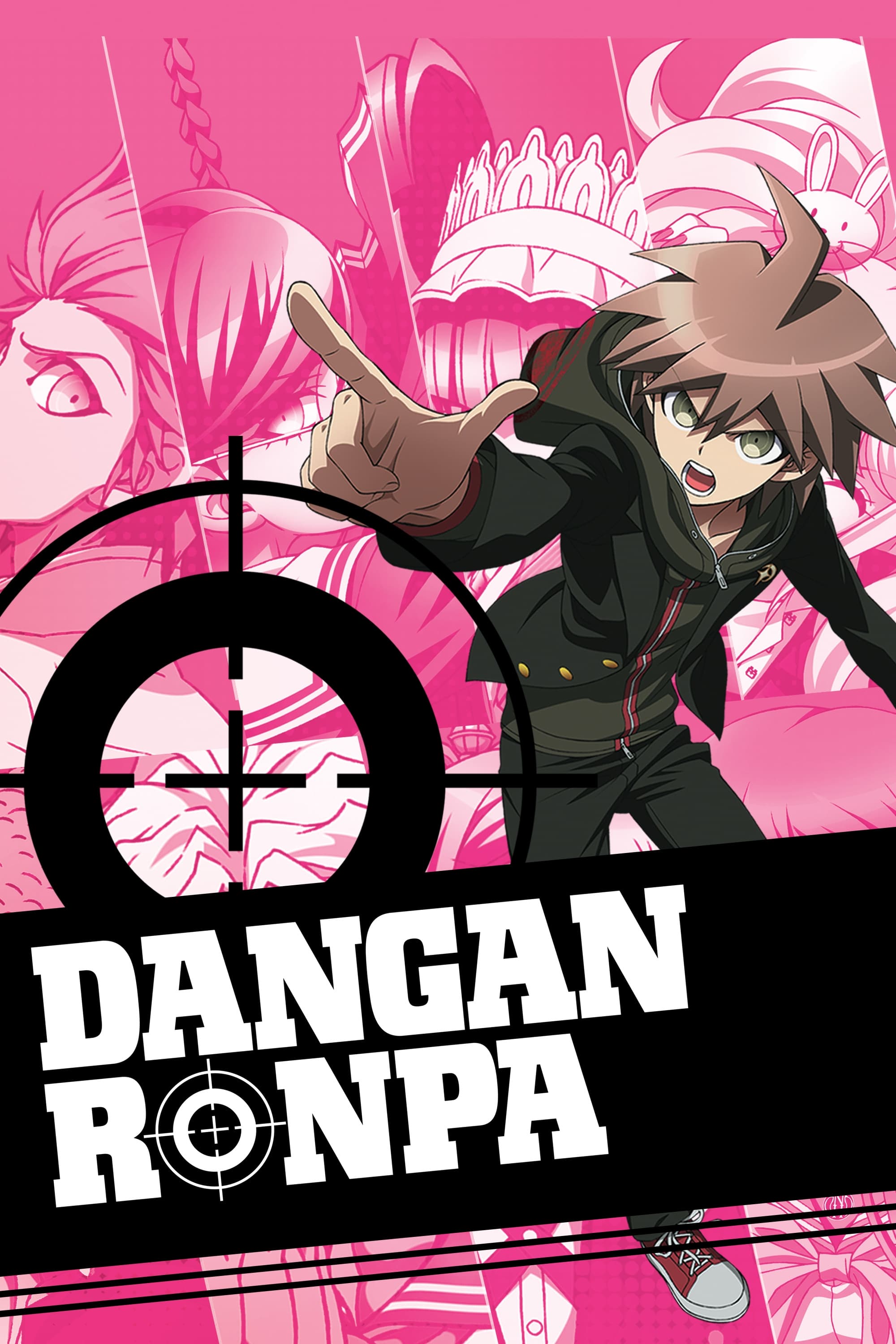
Students are sealed inside Hope’s Peak Academy under a closed-circle rule set that incentivizes betrayal. Surveillance, evidence trials, and restricted zones function as a carceral system without bars. Escape attempts hinge on decoding headmaster directives, exploiting system loopholes, and uncovering the organizer’s identity. The structure of daily life—class trials, night-time regulations, and locked facilities—dictates the pacing of every breakthrough.
Share your favorite prison or breakout arc in the comments and tell us which clever escape you think stands out most.