Pop Stars Who Are Permanently Banned From Performing in Entire Countries

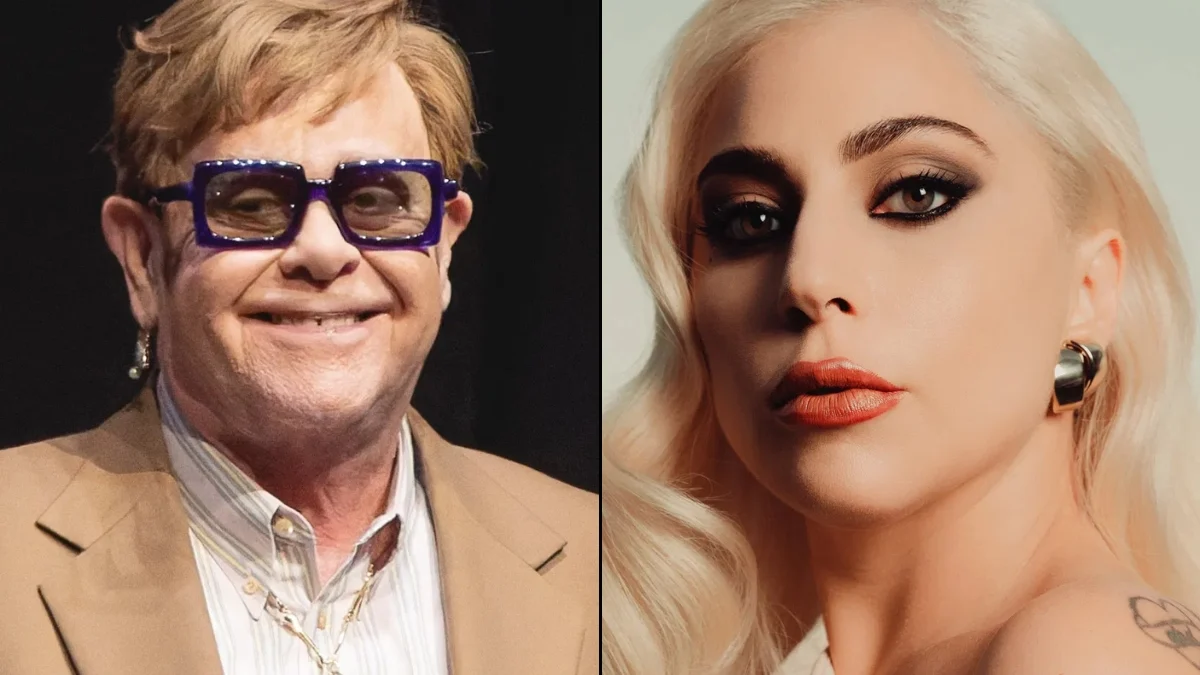

International music tours often face unexpected hurdles when political sensitivities or legal histories clash with national laws. Some of the world famous pop stars have found themselves officially barred from entering certain countries due to their actions or public statements. These bans can range from temporary visa denials to permanent blacklisting by government cultural bureaus. Understanding these restrictions provides a unique look at the intersection of global entertainment and international relations.
Justin Bieber
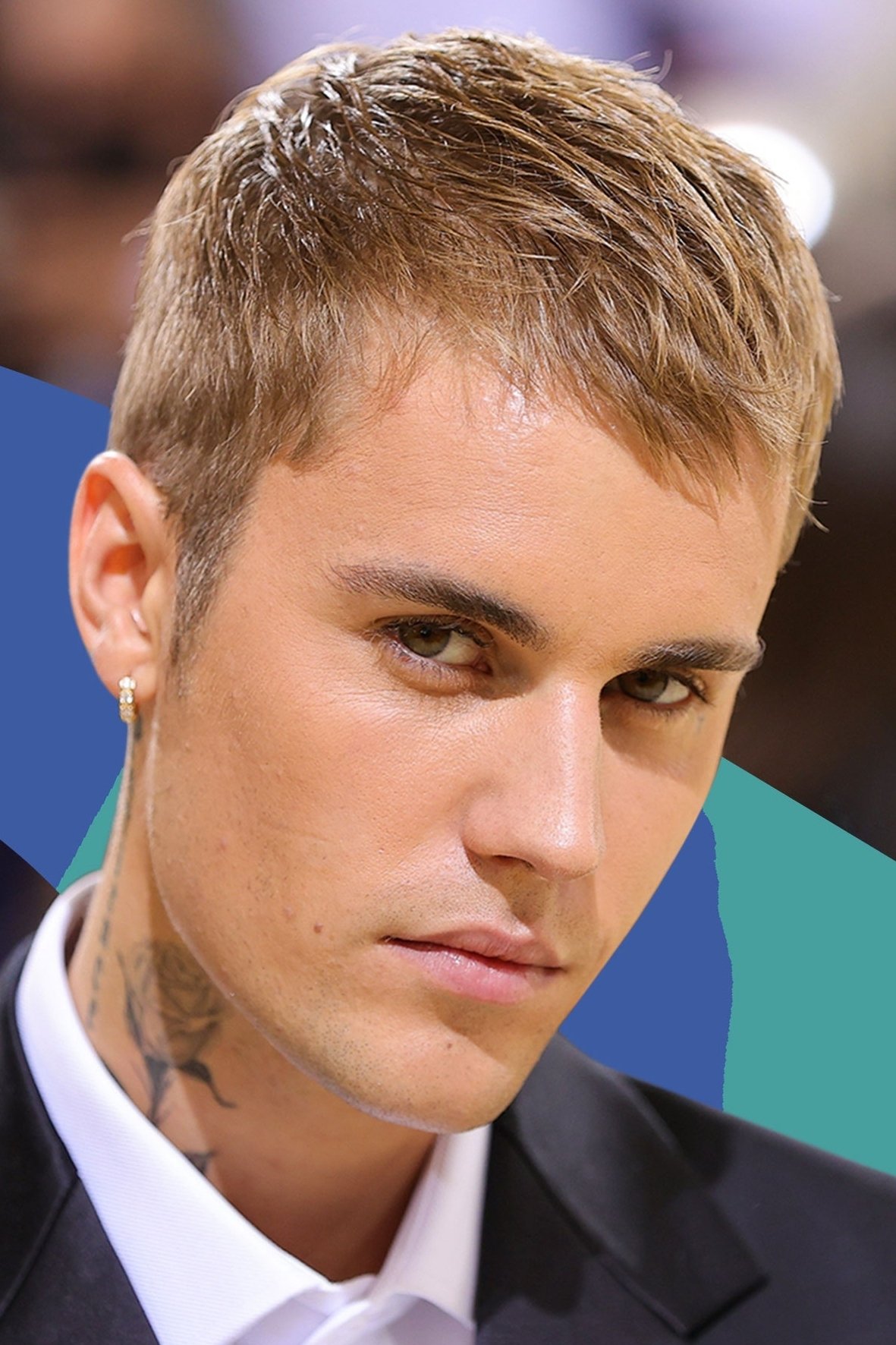
Justin Bieber faces a permanent ban from performing in China due to his past conduct. The Beijing Municipal Bureau of Culture stated that his series of bad behaviors both in his social life and during a previous performance caused public dissatisfaction. Officials clarified that the ban aims to purify the domestic performing arts environment in the country. This decision was publicized in response to a fan request asking why the singer was not allowed to tour there. The bureau emphasized that while he is talented he must improve his conduct to be welcomed back in the future.
Miley Cyrus
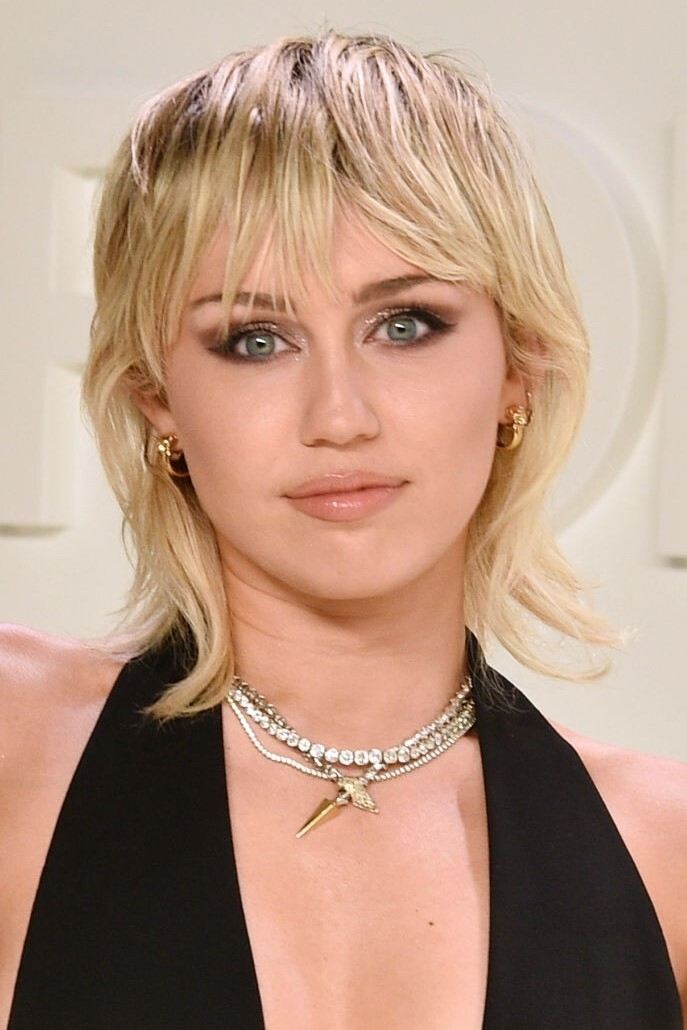
Miley Cyrus was officially banned from China after a controversial photograph appeared online showing her making a slant eyed gesture. The Chinese government deemed the image offensive to the people of China and subsequently barred her from entering the country. In addition to this ban the Dominican Republic government also prohibited her from performing there in 2014. Authorities in the Dominican Republic cited her frequently performing acts that go against morals and customs which are punishable by law. These restrictions have prevented the pop star from bringing her live tours to those specific regions for several years.
Lady Gaga
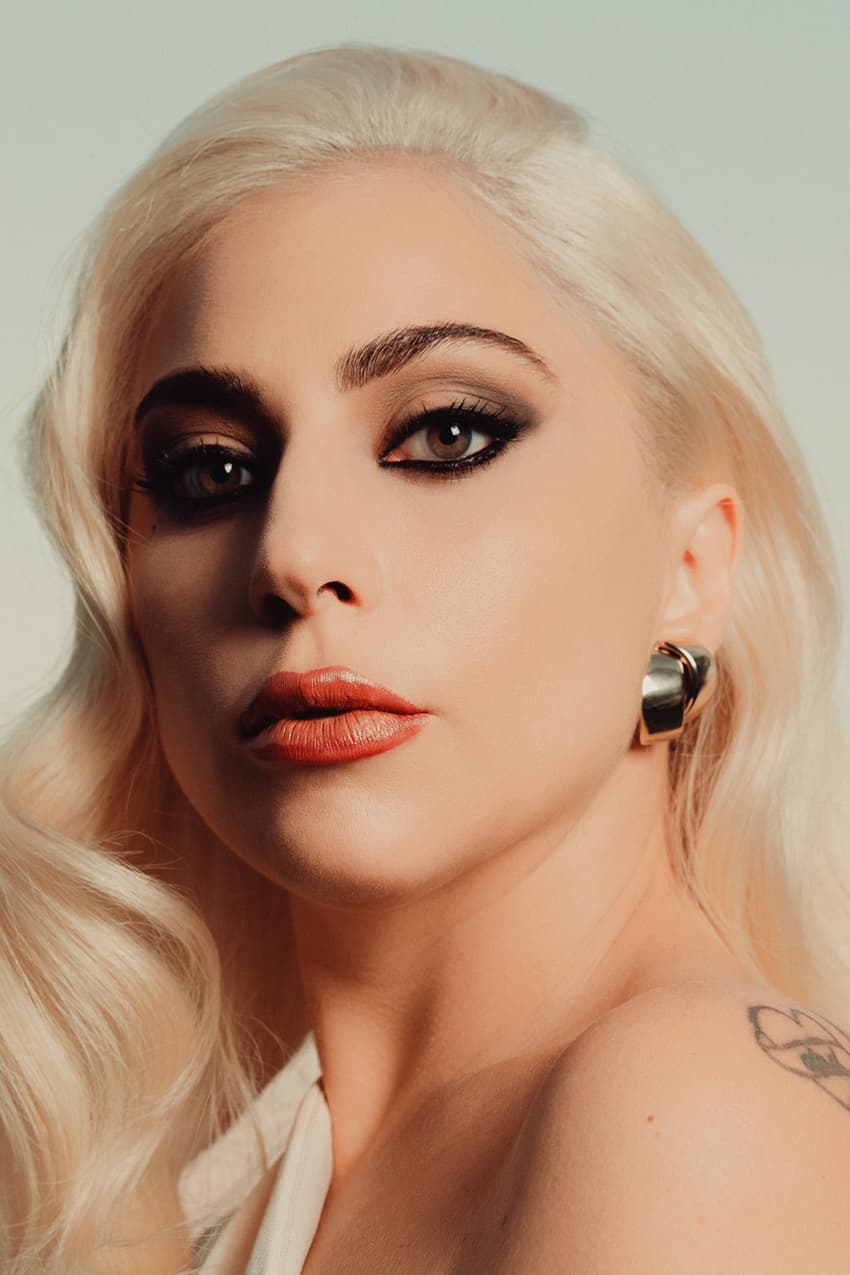
Lady Gaga encountered a significant ban in China following her meeting with the Dalai Lama in 2016. The Chinese Communist Party issued an order for her music to be removed from streaming sites and prohibited her from touring the country. Her presence was further restricted in Indonesia after religious groups protested her scheduled concert in Jakarta. Local authorities denied her a permit citing security concerns and the potential for her performance to corrupt the youth. Consequently she had to cancel the sold out show and has faced ongoing difficulties with performance approvals in conservative nations.
Katy Perry
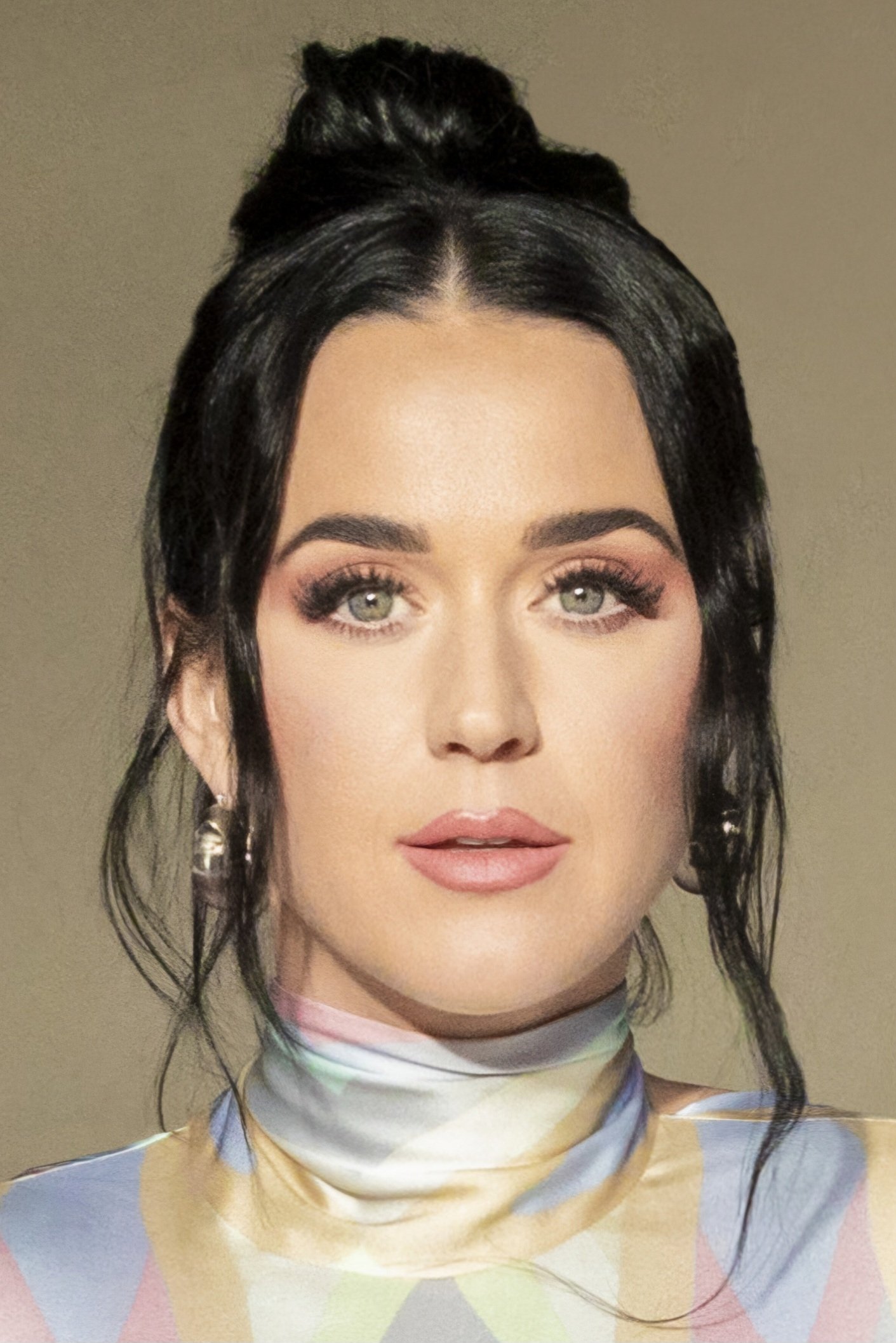
Katy Perry is indefinitely banned from China after she wore a sunflower dress during a concert in Taipei. The sunflower was a symbol of the Sunflower Student Movement which protested a Chinese trade deal. She also draped the flag of Taiwan over her shoulders during the same performance which caused significant political friction. Chinese authorities subsequently revoked her visa just before she was scheduled to perform at a high profile fashion show in Shanghai. This incident effectively blocked her from the Chinese market where she had previously enjoyed a large following.
Selena Gomez
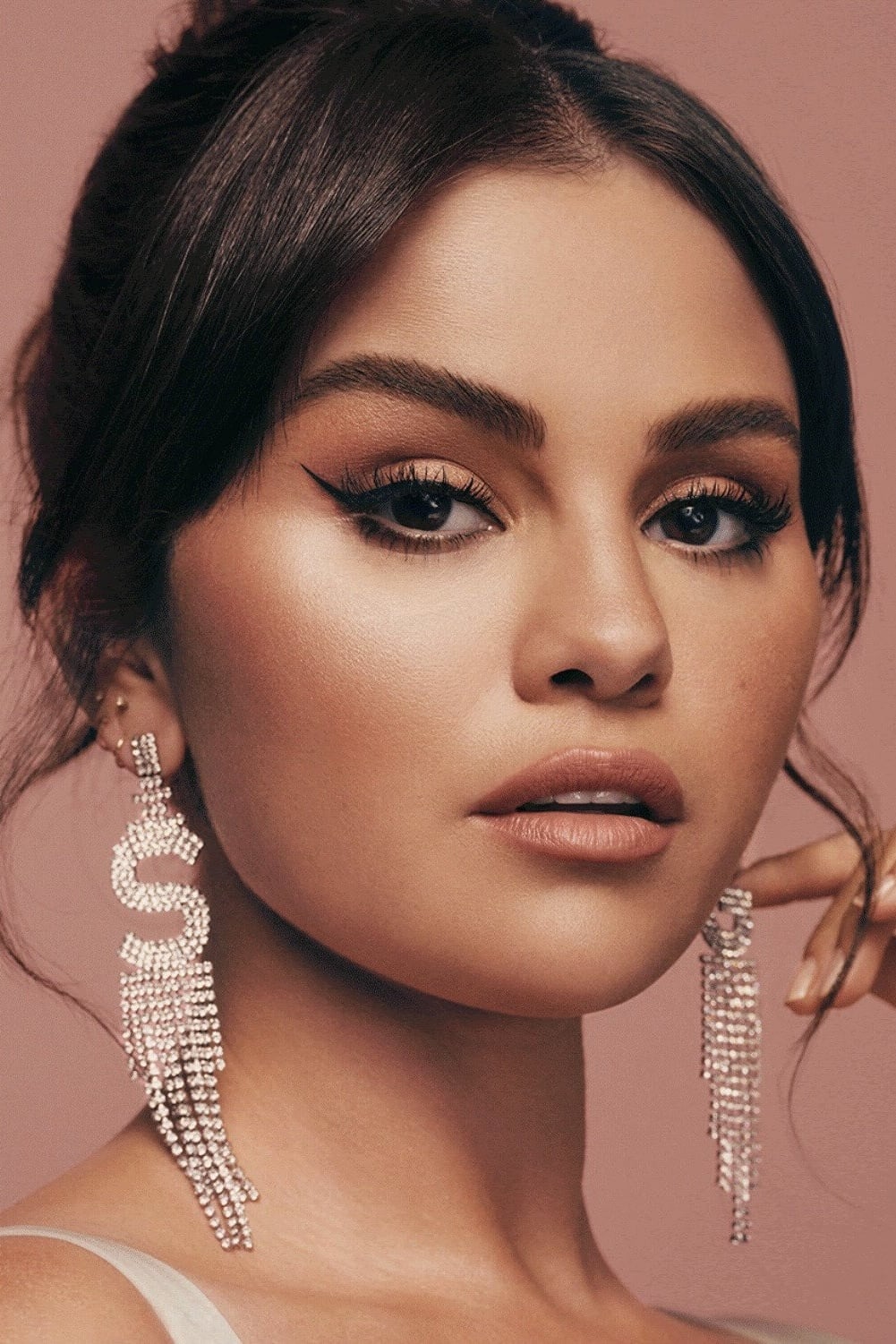
Selena Gomez faced a ban from Russia in 2013 because of her public support for the LGBTQ community. The Russian government denied her visa request shortly before her planned performances in Saint Petersburg and Moscow. Officials reportedly tightened visa requirements for foreign artists who advocate for gay rights in the country. Additionally she was forced to cancel her tour dates in China after photos surfaced of her with the Dalai Lama. These political sensitivities have made it impossible for her to secure the necessary permits to perform for her fans in those territories.
Akon
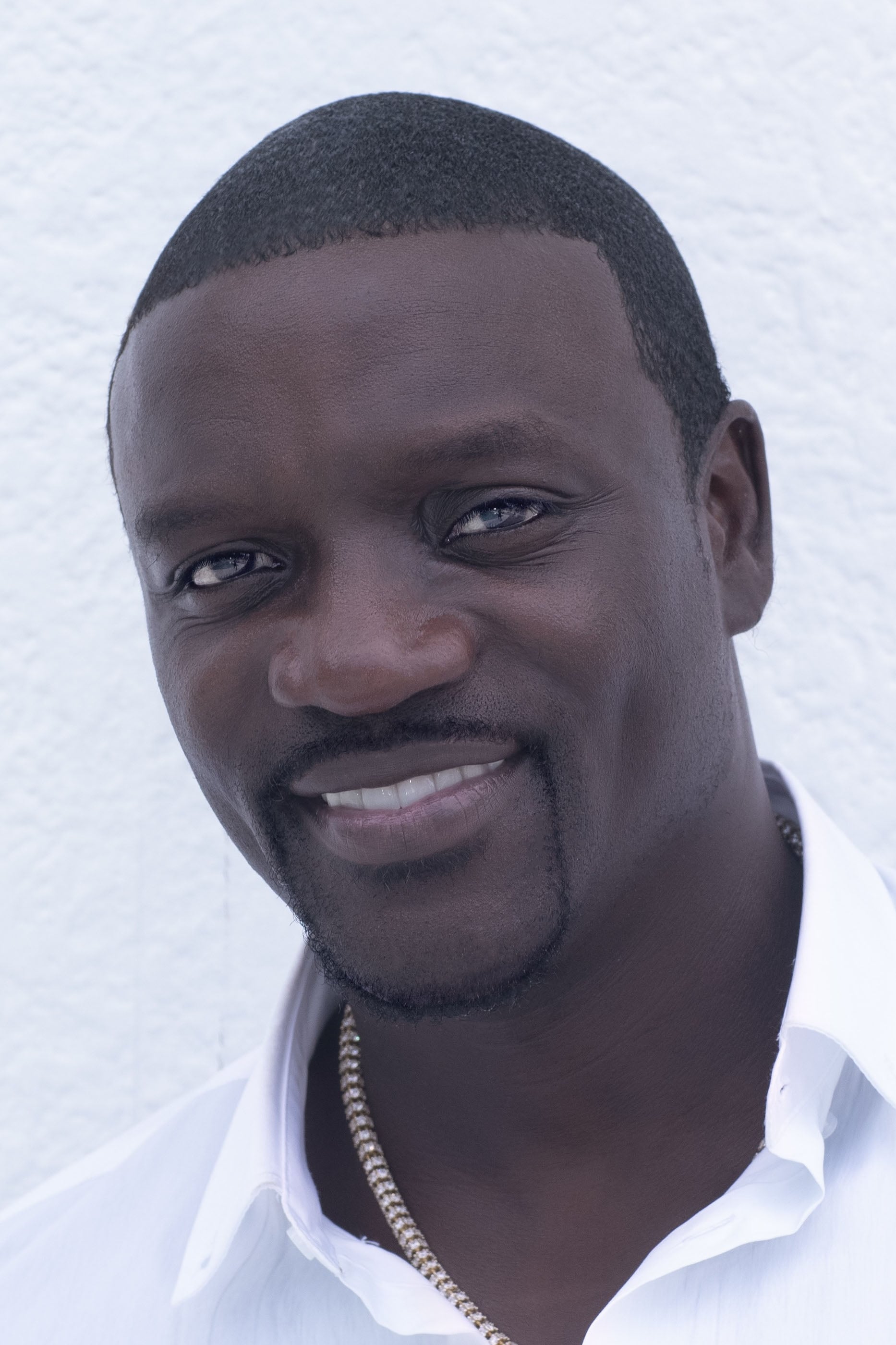
Akon was banned from Sri Lanka following a massive public outcry over one of his music videos. The video for the song ‘Sexy Chick’ featured a pool party with a statue of Buddha visible in the background. Protesters in the capital of Colombo attacked the headquarters of a local broadcaster and demanded that the singer be barred from the country. The government responded by denying his visa application and stating that his actions were an insult to the Buddhist religion. Akon later apologized for the incident but the ban effectively stopped his scheduled performance from taking place.
Bon Jovi
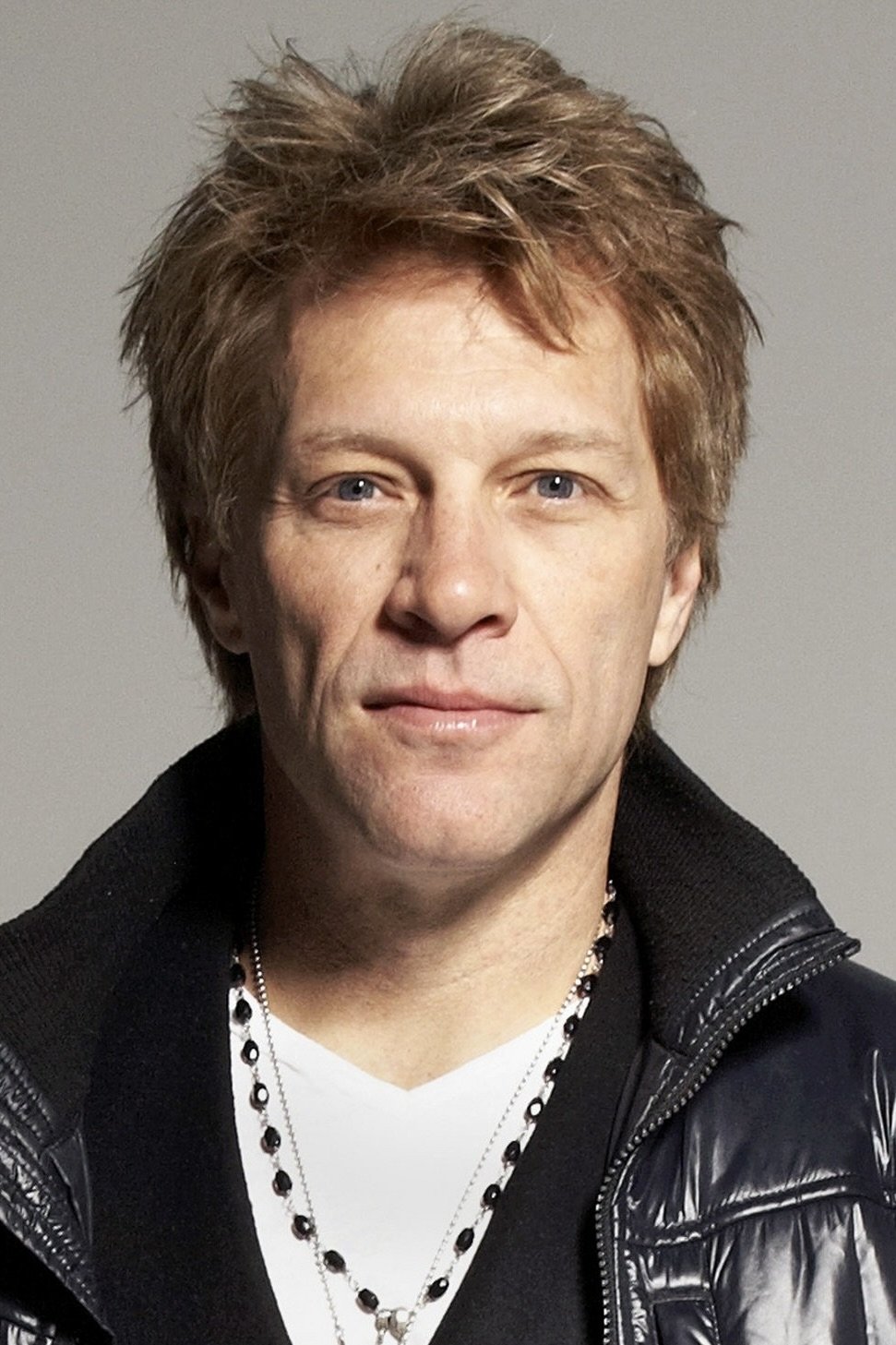
Bon Jovi had their first ever concerts in China canceled by the government just days before they were set to begin. The decision came after authorities discovered that the band used imagery of the Dalai Lama in a previous concert video. This sparked a ban on the group and led to the immediate removal of all promotional materials in cities like Beijing and Shanghai. Despite the band learning traditional Chinese songs to perform for the local audience they were not allowed to enter. This incident highlights the strict vetting process that the Chinese government applies to all international musical acts.
Jay-Z

Jay Z was officially banned from performing in China because his lyrics were deemed too vulgar by cultural officials. The Ministry of Culture canceled his scheduled concert in Shanghai to protect the city hip hop fans from harmful content. Officials stated that his songs contained too many references to profanity and street violence which did not align with their cultural standards. While other rappers have since performed in the country the ban on Jay Z was a significant moment in Chinese censorship history. The artist has not held a major concert in mainland China since the ruling was established.
Björk
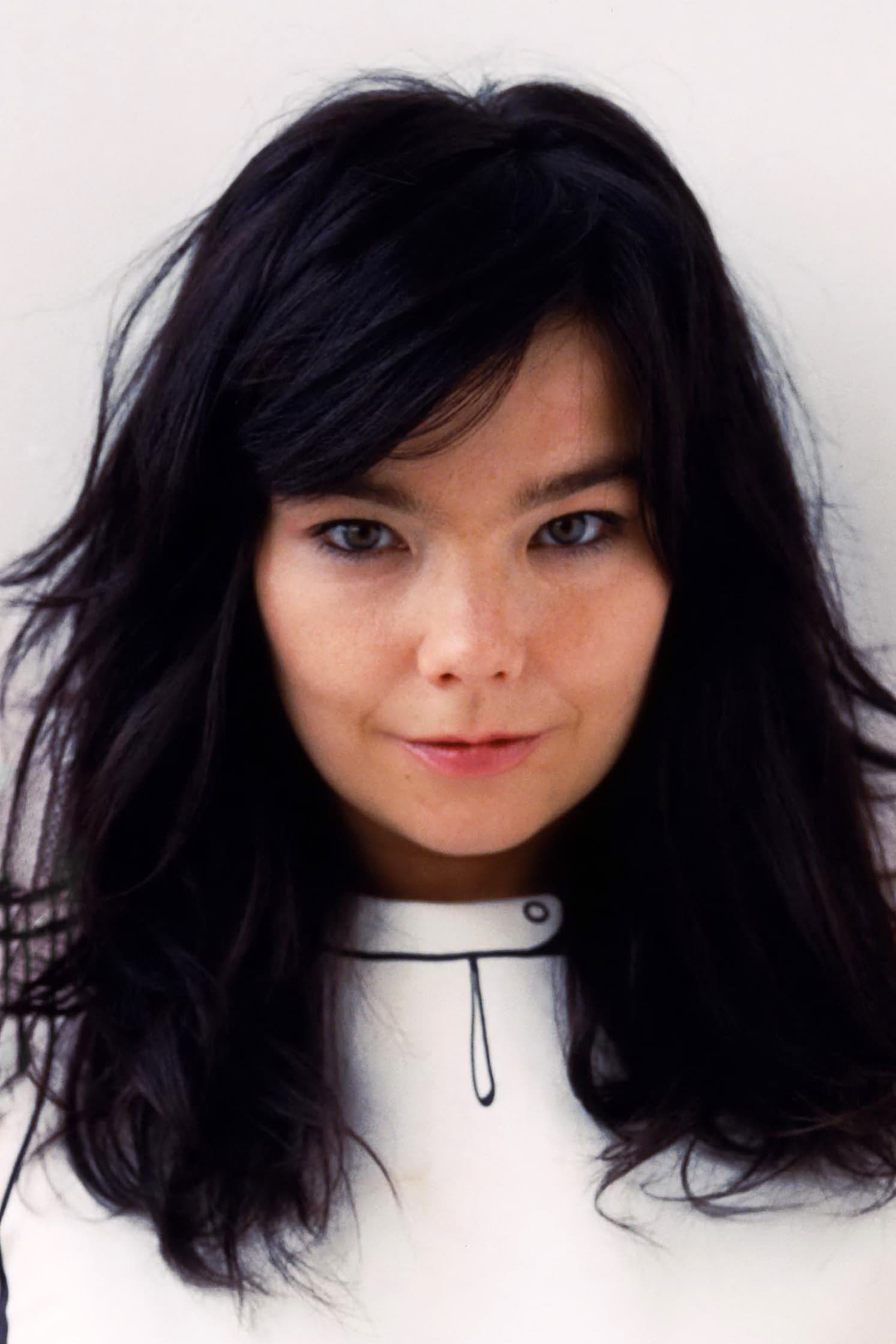
Björk faced a permanent ban from China after her 2008 performance in Shanghai. During her performance of the song ‘Declare Independence’ she shouted the word Tibet multiple times to show her support for the region. The Chinese Ministry of Culture responded by stating that she had hurt the feelings of the Chinese people and broke the law. Officials subsequently tightened regulations for all foreign performers to ensure no political statements are made on stage. This event remains one of the most famous examples of a pop star being barred for political activism during a live show.
Chris Brown

Chris Brown has faced entry bans in several countries including the United Kingdom and Australia. His 2010 visa application to the United Kingdom was denied due to his previous criminal conviction for domestic violence. Australian authorities followed suit by informing him that his visa would likely be rejected on character grounds. New Zealand also joined the list of countries that have restricted his ability to perform within their borders. These bans have significantly limited his international touring schedule and forced him to cancel multiple legs of his world tours.
Elton John
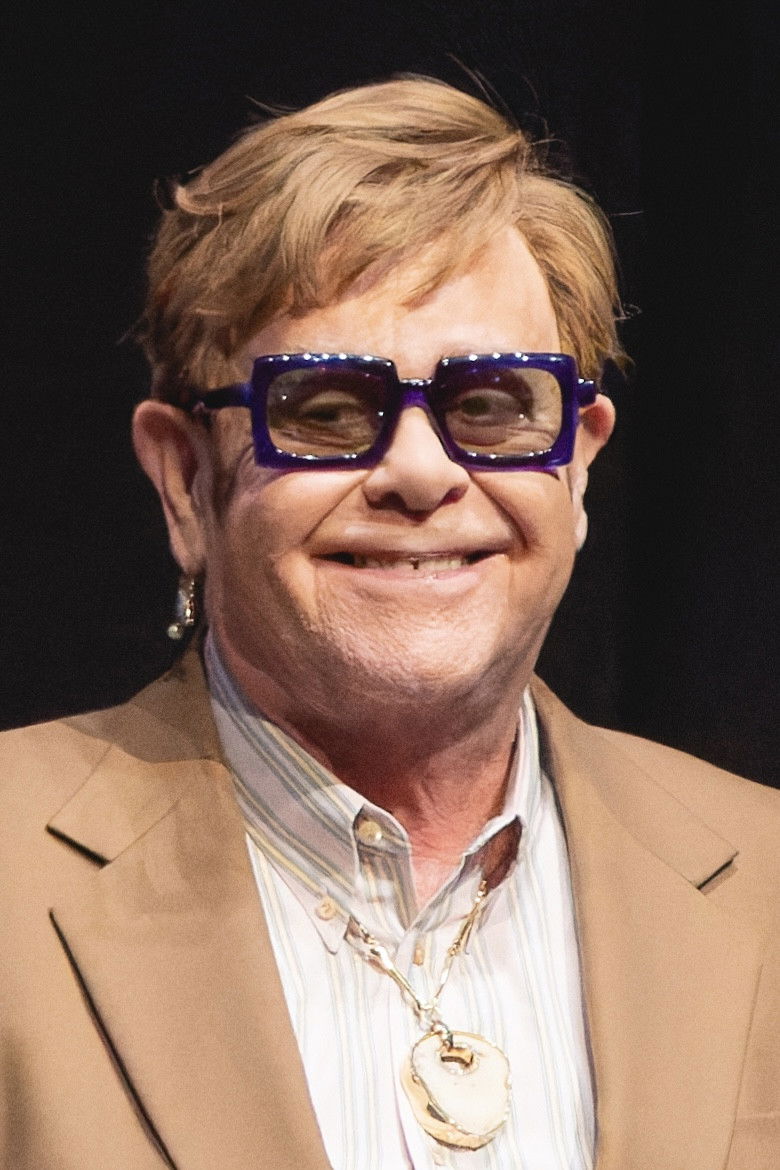
Elton John was prohibited from performing in Egypt following comments he made about his sexuality and religion. The head of the Egyptian Musicians Syndicate stated that the singer was not allowed to perform because he is a symbol of homosexuality. Officials expressed concerns over his public statements regarding his belief that Jesus was a gay man. This led to the cancellation of a private concert that was scheduled to take place near the pyramids. The ban reflected the deep cultural and religious tensions regarding LGBTQ rights in the region at the time.
Madonna
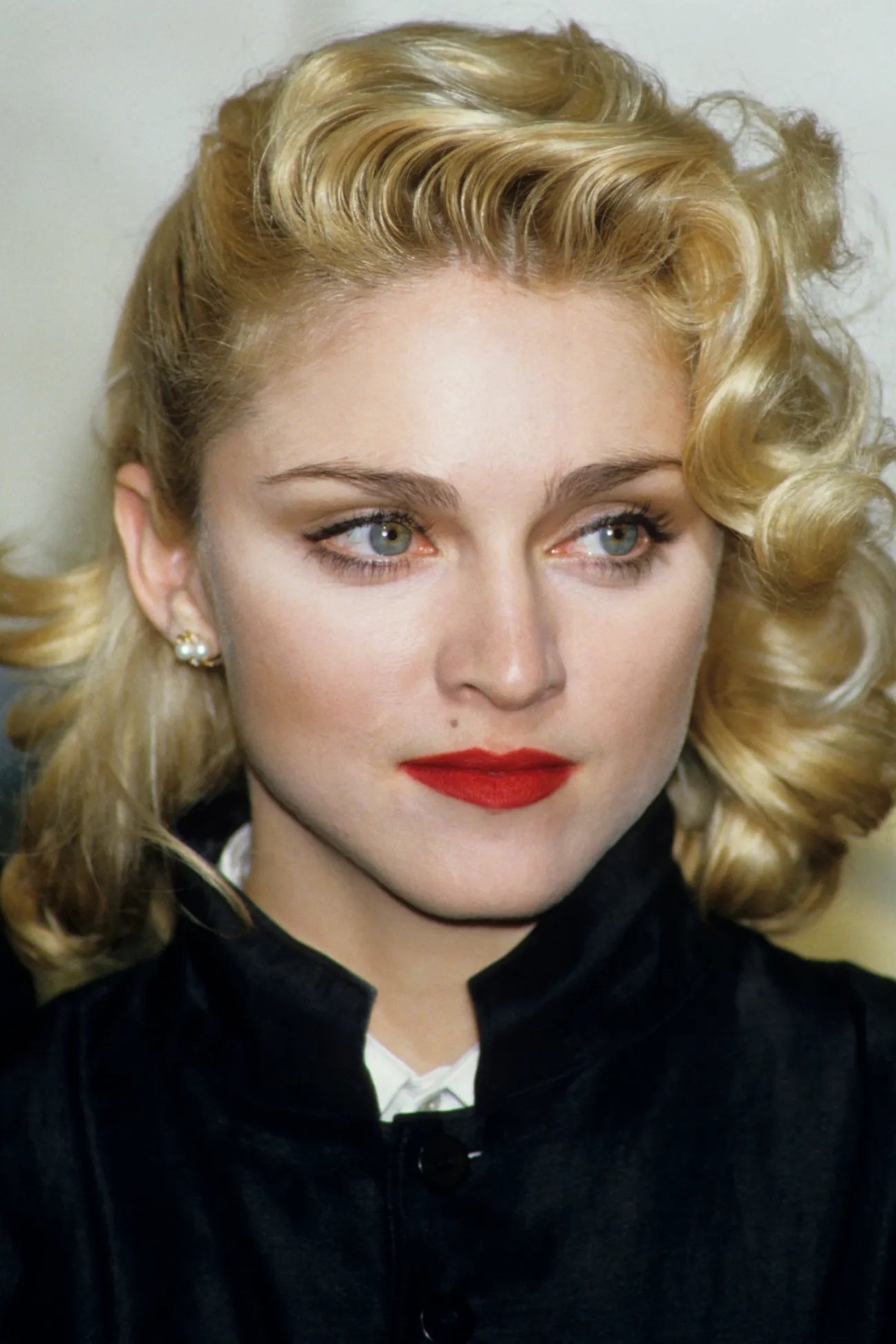
Madonna was banned from performing in Egypt due to her ties to Israel and her practice of Kabbalah. Egyptian authorities and religious leaders argued that her presence would promote values that were incompatible with the local culture. She has also faced significant legal threats and calls for bans in Russia after speaking out for gay rights and the group Pussy Riot. During her ‘MDNA’ tour she was sued for millions of dollars for allegedly violating laws against gay propaganda. While she has performed in Russia before the legal environment has made her return highly unlikely.
50 Cent
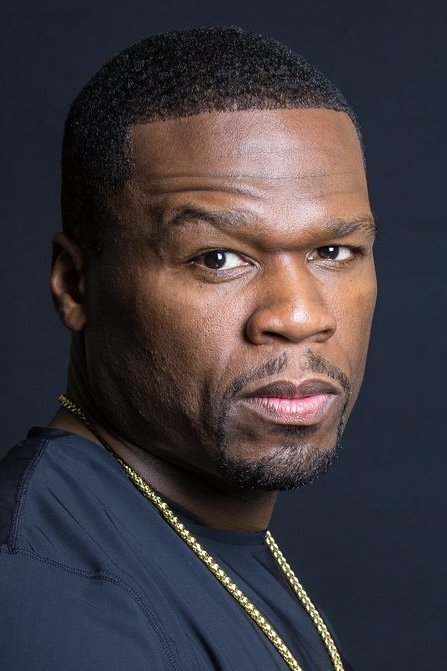
50 Cent was historically banned from entering Canada due to his criminal record and the nature of his lyrics. Canadian officials expressed concerns that his presence would promote gun violence and criminal activity among the youth. This led to a public debate regarding freedom of speech and the rights of the government to exclude individuals based on their past. The ban was eventually resolved after negotiations and specific conditions were met for his entry. However it remains a notable example of how a pop star public persona can lead to national entry restrictions.
Snoop Dogg
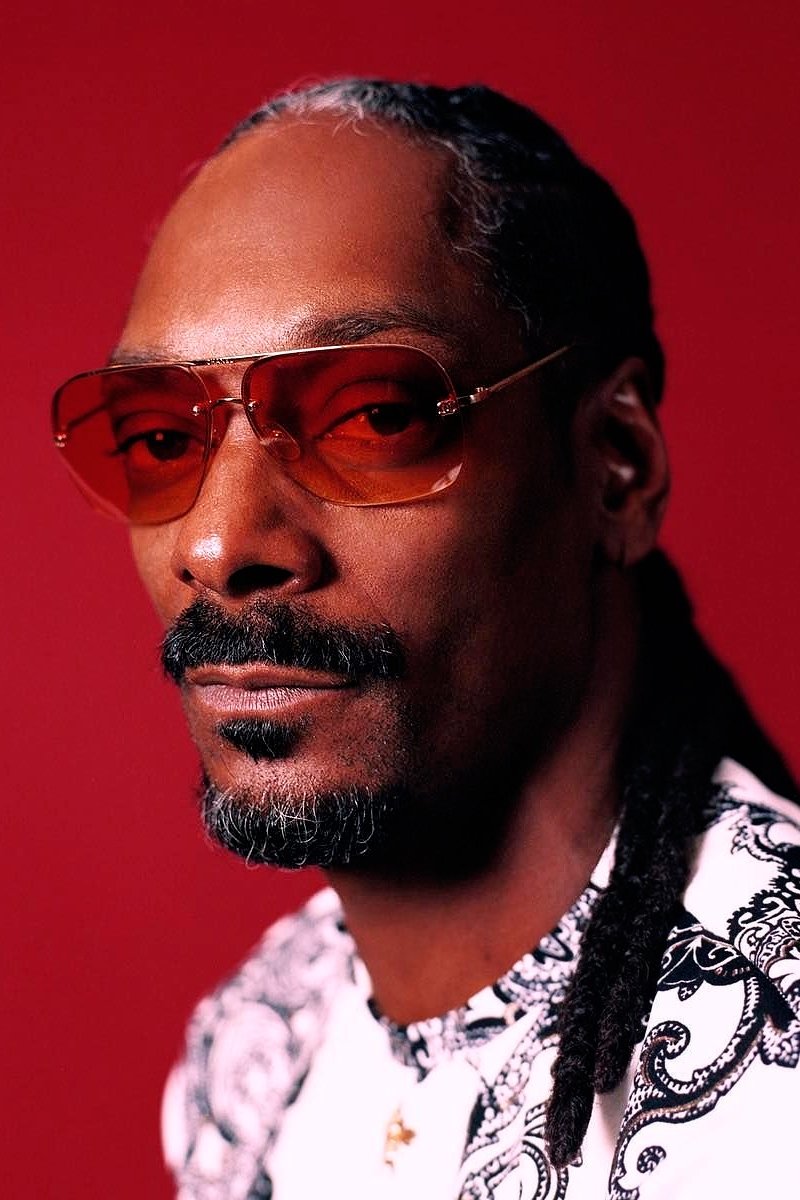
Snoop Dogg has encountered numerous bans from various countries including the United Kingdom and Norway. He was famously barred from the United Kingdom for several years following a physical altercation at Heathrow Airport. In 2012 Norway issued a two year ban on the rapper after he was caught entering the country with a small amount of marijuana. He has also faced similar entry issues in Australia due to his past criminal convictions and character assessments. These legal hurdles have frequently disrupted his international tour plans and forced him to seek special permits to perform.
Tyler, the Creator

Tyler, the Creator was banned from entering the United Kingdom for several years starting in 2015. The Home Office cited lyrics from his early albums as the reason for the ban claiming they encouraged violence and homophobia. He was also banned from performing in New Zealand after officials deemed him a threat to public order and the public interest. These bans were particularly unusual because they were based on creative content rather than criminal actions. While the bans have since been lifted they prevented the artist from touring these major markets during the height of his early career.
Zara Larsson
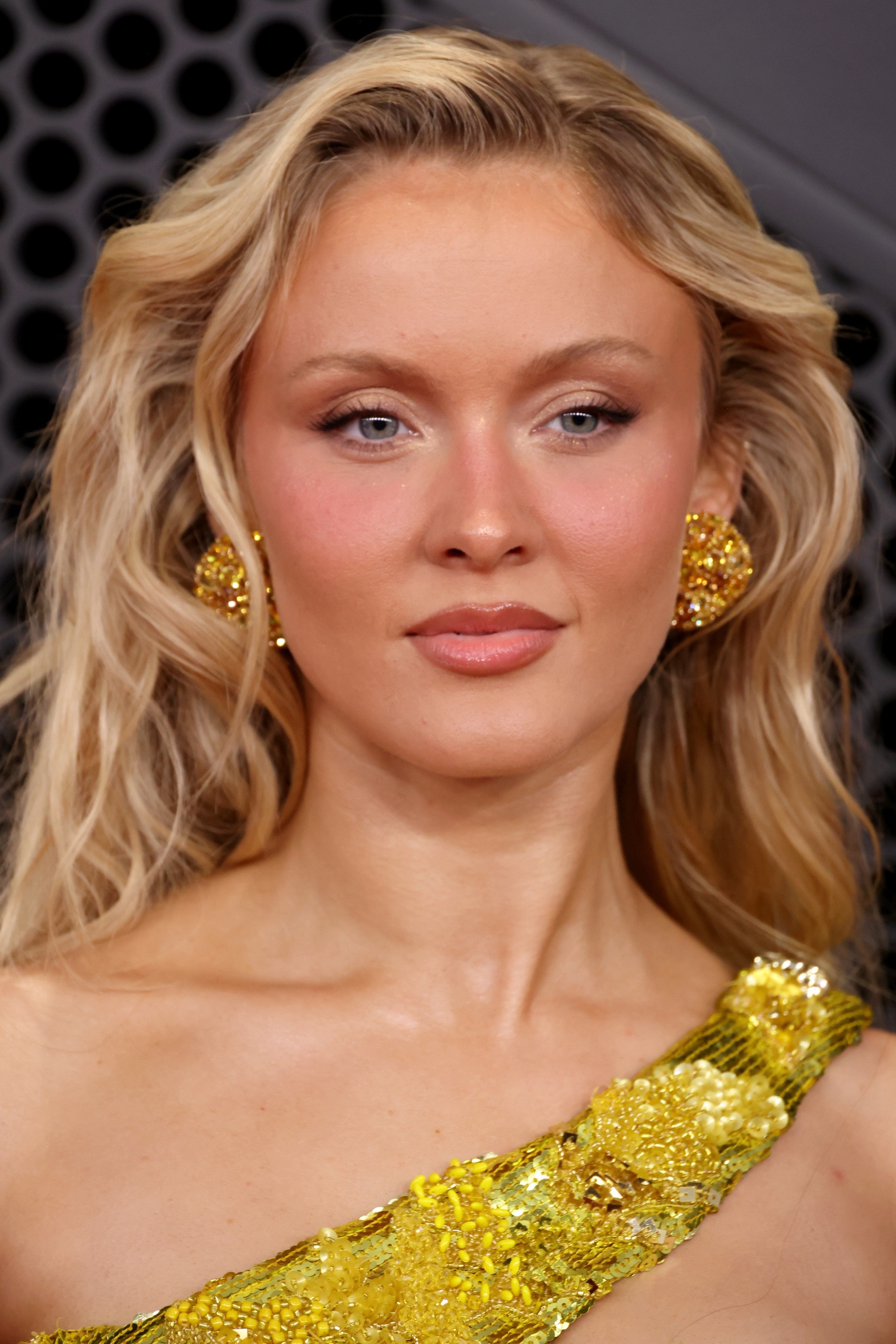
Zara Larsson faced a significant backlash and a de facto ban in China after she ended a brand partnership and criticized the government. The pop singer spoke out against the country policies in a television interview which led to her music being removed from local streaming platforms. Her public comments resulted in her being labeled as a persona non grata by various media entities within the nation. Consequently she has not been able to secure any performance dates or promotional appearances in the region since the controversy began. This situation shows how individual political stances can abruptly end a performer access to one of the largest music markets in the world.
Tell us which of these international performance bans surprised you the most in the comments.